THE ADVENTURE COLLECTIVE® · Independent discovery and booking for outdoor travel

Trade Beijing’s traffic for ridgeline stone and watchtowers on a guided day hike to Mutianyu. This managed bus tour includes admission and a local English guide — just bring sturdy shoes and sun protection.
Trade Beijing’s traffic for ridgeline stone and watchtowers on a guided day hike to Mutianyu. This managed bus tour includes admission and a local English guide — just bring sturdy shoes and sun protection.
A crisp morning breeze lifts at Heping Xiqiao as a low-rolling coach leaves the city and the highway narrows toward the foothills. Within an hour and a half the concrete grid gives way to terraces and maple-studded slopes; the wall appears over a rising shoulder of land, stone staircases cutting the skyline. Expect about four hours on the Mutianyu section—walking restored ramparts, climbing uneven steps and pausing at watchtowers where the ridge pushes the view into the distance.
Verified experiences and guided adventures in the surrounding area.
Operated by China Kongfu Panda tour · Beijing, Beijing
A crisp morning breeze lifts at Heping Xiqiao as a low-rolling coach leaves the city and the highway narrows toward the foothills. Within an hour and a half the concrete grid gives way to terraces and maple-studded slopes; the wall appears over a rising shoulder of land, stone staircases cutting the skyline. Expect about four hours on the Mutianyu section—walking restored ramparts, climbing uneven steps and pausing at watchtowers where the ridge pushes the view into the distance.
Mutianyu’s present form owes much to Ming-era rebuilding; General Xu Da directed repairs around 1368 to protect the imperial heartland. Geologically the Great Wall follows a string of quartzite ridges and red-brown slopes above Huairou, which makes its towers sit high and visible. Local villages historically supplied labor and fuel; today the valley supports small tea houses and seasonal orchards that change the color story around the wall.
Practically, this is a managed day tour with an English-speaking guide and entrance ticket included; cable car not included. The route alternates steep stone steps with gentler stretches along crenellated parapets—bring solid footwear and expect variable step heights. Water, sun protection and layered clothing matter: sun can be intense at midday, mornings are cool. Aim for earlier departures to avoid late-morning crowds and to get clearer light for photos. The bus returns to Heping Xiqiao Exit B at the tour’s end. Respect the site—stay on marked paths, carry out trash, and give way on narrow staircases. Mutianyu rewards steady pacing: each tower nudges the next, and the ridge keeps asking you forward.
moderate.
6–7 hours.
Moderate — able to sustain several hours of walking on uneven stone steps and short steep sections
Yes — the tour departs and returns to Heping Xiqiao (Line 5) exit B; the coach is air-conditioned.
Entrance ticket to Mutianyu is included, but the cable car and optional chairlift/toboggan rides are not part of the package.
The walk is moderate: uneven stone steps and stretches on the wall for about four hours; it’s suitable for most people who can manage sustained walking.
The tour notes stroller accessibility for parts of the trip, but many wall sections have stairs—infants should sit on laps and caregivers should be prepared to carry small children on steep segments.
Mutianyu was heavily rebuilt in the Ming dynasty under military orders to fortify Beijing’s northern approaches; its current stonework dates largely to 14th-century reconstruction.
Restoration and heavy visitation have altered parts of the wall—stay on marked trails, avoid carving or removing stones, and pack out all trash to reduce human impact.
China Kongfu Panda tour operates guided outdoor trips and adventures with an emphasis on safety, stewardship, and memorable experiences.
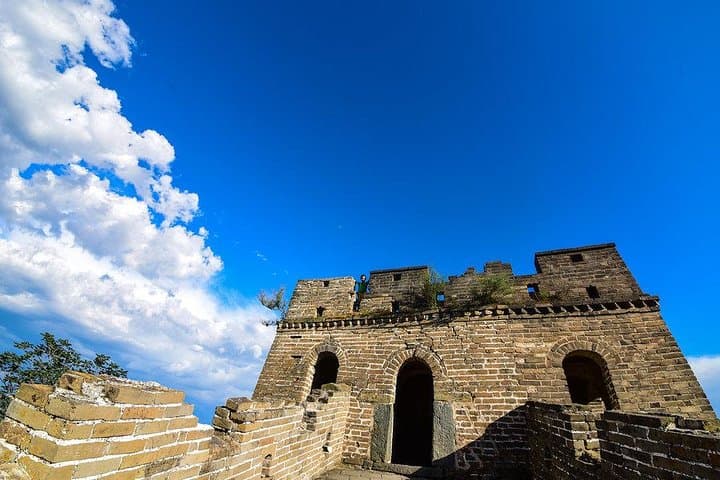
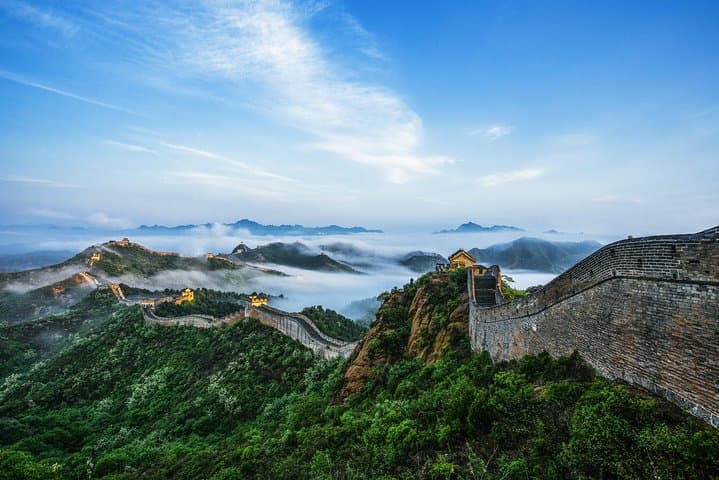
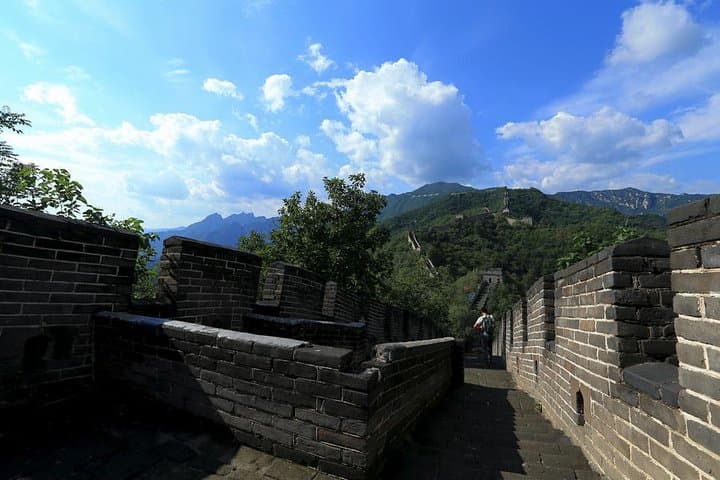
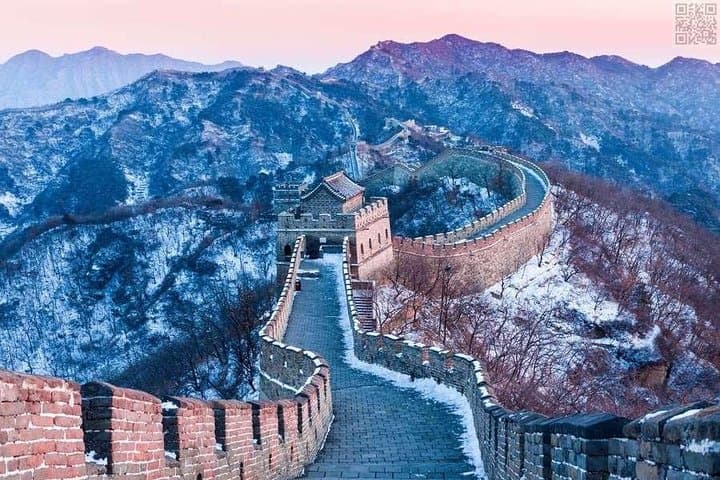
A crisp morning breeze lifts at Heping Xiqiao as a low-rolling coach leaves the city and the highway narrows toward the foothills. Within an hour and a half the concrete grid gives way to terraces and maple-studded slopes; the wall appears over a rising shoulder of land, stone staircases cutting the skyline. Expect about four hours on the Mutianyu section—walking restored ramparts, climbing uneven steps and pausing at watchtowers where the ridge pushes the view into the distance.
A crisp morning breeze lifts at Heping Xiqiao as a low-rolling coach leaves the city and the highway narrows toward the foothills. Within an hour and a half the concrete grid gives way to terraces and maple-studded slopes; the wall appears over a rising shoulder of land, stone staircases cutting the skyline. Expect about four hours on the Mutianyu section—walking restored ramparts, climbing uneven steps and pausing at watchtowers where the ridge pushes the view into the distance.
Mutianyu’s present form owes much to Ming-era rebuilding; General Xu Da directed repairs around 1368 to protect the imperial heartland. Geologically the Great Wall follows a string of quartzite ridges and red-brown slopes above Huairou, which makes its towers sit high and visible. Local villages historically supplied labor and fuel; today the valley supports small tea houses and seasonal orchards that change the color story around the wall.
Practically, this is a managed day tour with an English-speaking guide and entrance ticket included; cable car not included. The route alternates steep stone steps with gentler stretches along crenellated parapets—bring solid footwear and expect variable step heights. Water, sun protection and layered clothing matter: sun can be intense at midday, mornings are cool. Aim for earlier departures to avoid late-morning crowds and to get clearer light for photos. The bus returns to Heping Xiqiao Exit B at the tour’s end. Respect the site—stay on marked paths, carry out trash, and give way on narrow staircases. Mutianyu rewards steady pacing: each tower nudges the next, and the ridge keeps asking you forward.