THE ADVENTURE COLLECTIVE® · Independent discovery and booking for outdoor travel

Skip the hassle of transfers and reach Mutianyu by comfortable shared bus—enjoy hours on one of the Great Wall’s most walkable, well-preserved sections. This practical day trip includes return transport and entry, with optional cable car or toboggan once you arrive.
Skip the hassle of transfers and reach Mutianyu by comfortable shared bus—enjoy hours on one of the Great Wall’s most walkable, well-preserved sections. This practical day trip includes return transport and entry, with optional cable car or toboggan once you arrive.
The bus rolls out of Beijing before the city fully wakes and the hills around Huairou begin to take shape.
Verified experiences and guided adventures in the surrounding area.
Operated by Yida Travel · Beijing, Beijing
The bus rolls out of Beijing before the city fully wakes and the hills around Huairou begin to take shape.
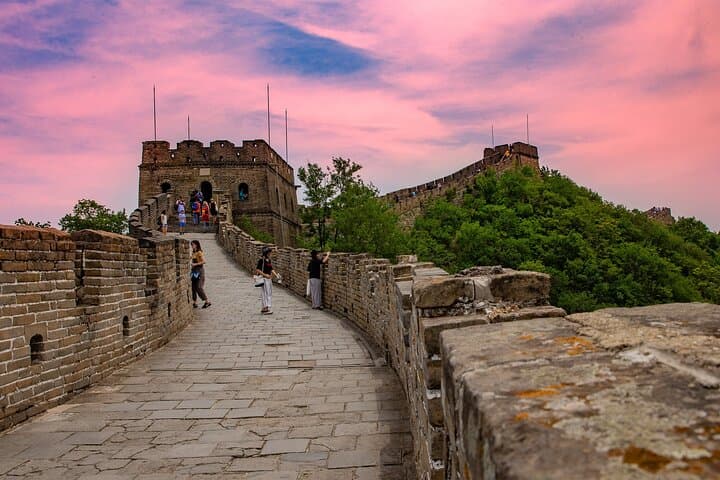
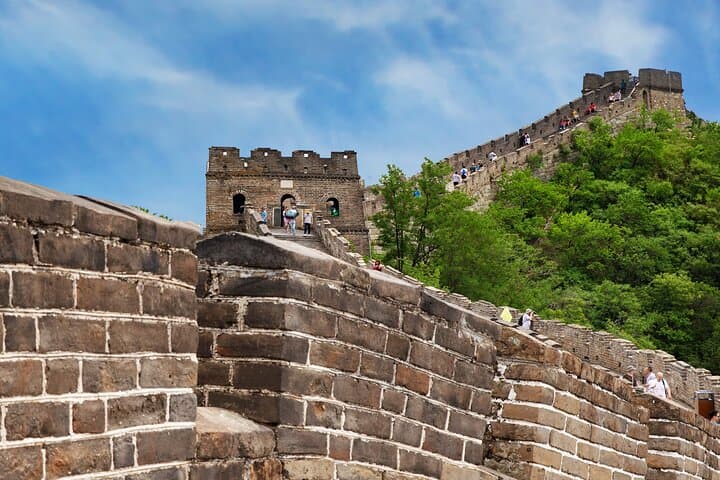
By the time you step off at the Mutianyu parking area, the wall rises ahead—stone ramparts and watchtowers punctuating a ridgeline that pushes the sky. The air feels cooler here; the wall’s granite and tamped earth hold heat differently than the city below, and the internal shuttle or cable car eases you up to the eastern or western access lines.
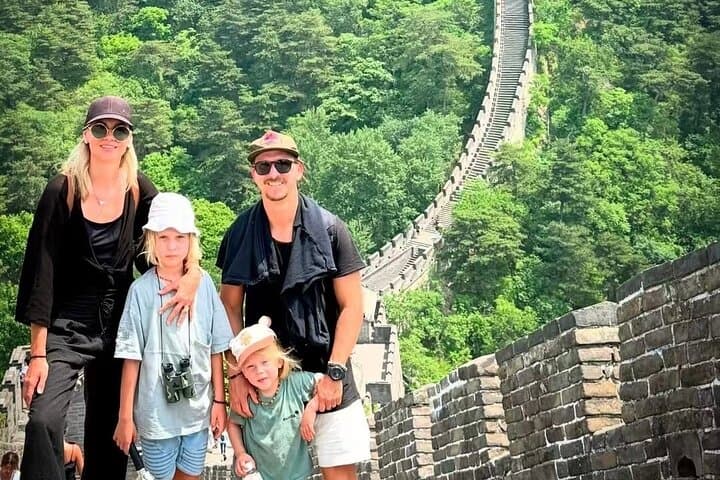
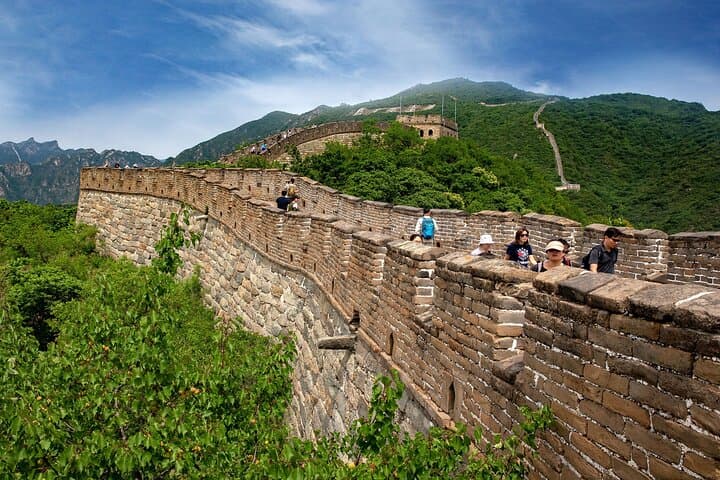
Mutianyu is one of the best-preserved Ming-era stretches of the Great Wall, built and rebuilt between the 14th and 17th centuries to guard Beijing’s approaches. The geology is mostly schist and granite; the wall follows a jagged spine of ridges, alternating steep flights of steps and long crenellated promenades that offer broad sightlines across terraced forests.
Locally, the site is tied to rural Huairou village life: small food stalls, teahouses, and craftsmen selling hand-made souvenirs near the lot. Conscientious travelers will notice signs of increasing tourism infrastructure—shuttle buses, restored towers, and visitor centers—so plan for light crowds around midday.
Practical guidance: allow 5 hours on-site for a relaxed visit (add 1.5 hours each way by bus). Cable car and toboggan are optional; buy them on arrival if needed. Wear broken-in shoes for uneven stone steps and bring water, sun protection, and some cash—credit cards aren’t widely accepted on the mountain. If you want quieter photos, aim for first bus departures; later returns are busiest. The route suits most fitness levels but expect short, steep stair sections that demand steady footing.
easy.
6–8 hours.
Suitable for most fitness levels; expect short steep stair sections and several hours of walking on uneven stone.
Expect about 1.5 hours each way depending on traffic; total trip time including sightseeing runs around 6–8 hours.
No—cable car and toboggan tickets are optional and can be purchased on site or through the guide on request.
Yes; the route is family-friendly overall, but some stair sections are steep—use shuttles or cable cars if needed.
Card acceptance is limited on the mountain—bring some Chinese yuan in cash for small purchases and facilities.
Mutianyu was expanded during the Ming dynasty to strengthen northern defenses and served as a key military corridor protecting routes to Beijing.
Visitor management focuses on preserved stone restoration and controlled access via shuttles; stick to marked paths and avoid graffiti or removing stones to protect the structure.
Yida Travel operates guided outdoor trips and adventures with an emphasis on safety, stewardship, and memorable experiences.
The bus rolls out of Beijing before the city fully wakes and the hills around Huairou begin to take shape.
The bus rolls out of Beijing before the city fully wakes and the hills around Huairou begin to take shape.
By the time you step off at the Mutianyu parking area, the wall rises ahead—stone ramparts and watchtowers punctuating a ridgeline that pushes the sky. The air feels cooler here; the wall’s granite and tamped earth hold heat differently than the city below, and the internal shuttle or cable car eases you up to the eastern or western access lines.
Mutianyu is one of the best-preserved Ming-era stretches of the Great Wall, built and rebuilt between the 14th and 17th centuries to guard Beijing’s approaches. The geology is mostly schist and granite; the wall follows a jagged spine of ridges, alternating steep flights of steps and long crenellated promenades that offer broad sightlines across terraced forests.
Locally, the site is tied to rural Huairou village life: small food stalls, teahouses, and craftsmen selling hand-made souvenirs near the lot. Conscientious travelers will notice signs of increasing tourism infrastructure—shuttle buses, restored towers, and visitor centers—so plan for light crowds around midday.
Practical guidance: allow 5 hours on-site for a relaxed visit (add 1.5 hours each way by bus). Cable car and toboggan are optional; buy them on arrival if needed. Wear broken-in shoes for uneven stone steps and bring water, sun protection, and some cash—credit cards aren’t widely accepted on the mountain. If you want quieter photos, aim for first bus departures; later returns are busiest. The route suits most fitness levels but expect short, steep stair sections that demand steady footing.