THE ADVENTURE COLLECTIVE® · Independent discovery and booking for outdoor travel

Short on time but eager to see the Great Wall? This private layover tour pairs a walk on Mutianyu’s restored ramparts with a peaceful stroll through Beihai Park—cable car up and toboggan down to save time and energy. Practical transport, lunch, and a private guide make it manageable on an 8–9 hour schedule.
Short on time but eager to see the Great Wall? This private layover tour pairs a walk on Mutianyu’s restored ramparts with a peaceful stroll through Beihai Park—cable car up and toboggan down to save time and energy. Practical transport, lunch, and a private guide make it manageable on an 8–9 hour schedule.
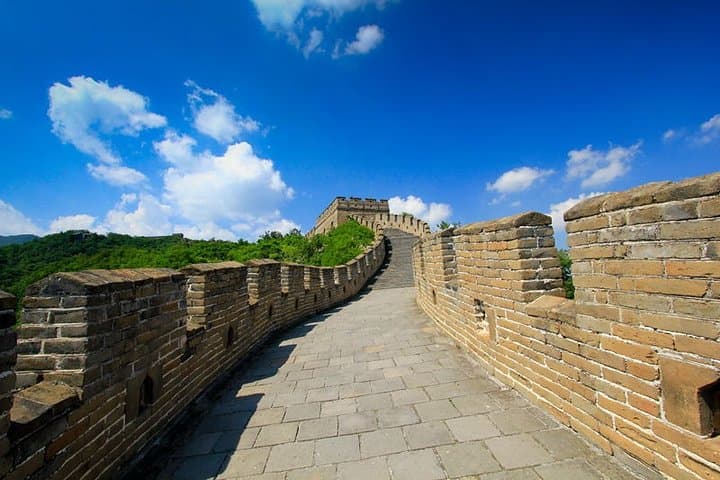
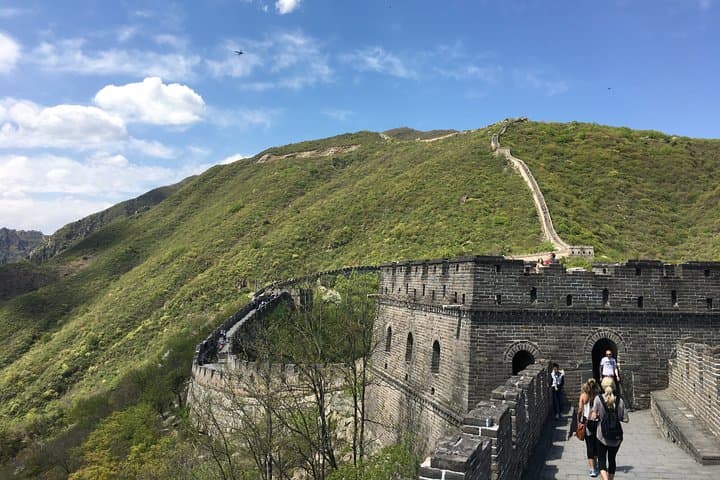
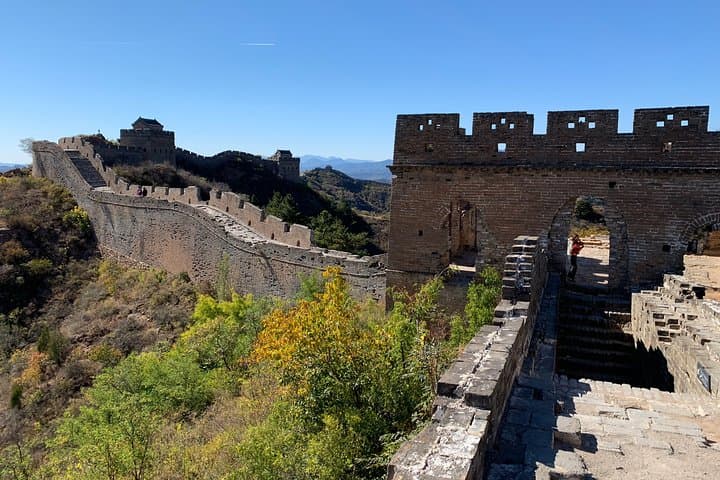
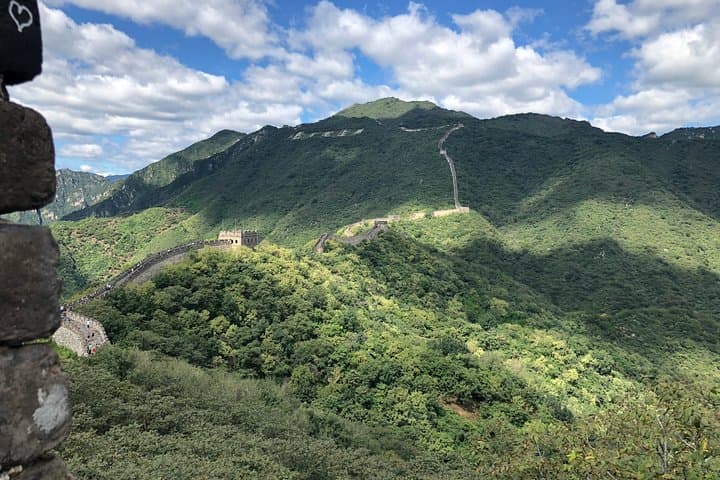
You step from the car into a wind that carries mountain pine and distant voices; the Great Wall at Mutianyu runs across ridgelines like a stone spine, watchtowers punctuating each rise. The guide points the route—cable car to climb, a toboggan for return—and you move from paved access road into stepped masonry that asks steady feet and attention.
Verified experiences and guided adventures in the surrounding area.
Operated by MoreFunAsia · Beijing, Beijing
You step from the car into a wind that carries mountain pine and distant voices; the Great Wall at Mutianyu runs across ridgelines like a stone spine, watchtowers punctuating each rise. The guide points the route—cable car to climb, a toboggan for return—and you move from paved access road into stepped masonry that asks steady feet and attention.
Mutianyu is a Ming-dynasty reconstruction famed for continuous ramparts and dense watchtowers; its granite and brick follow older defensive lines carved by centuries of strategic pressure. Down in the city, Beihai Park offers the opposite: imperial water gardens shaped over a millennium, the White Dagoba marking Buddhist influence and Qing-era renovations that turned a utilitarian lake into a curated landscape.
Expect a mix of brisk uphill walking on uneven stone, panoramic viewpoints, and quieter sections where trees push against the wall. The experience balances outdoor exertion with cultural stops: a guided lunch, stories about imperial architecture, and a calm lakeside stroll that shows how Chinese garden design uses water to frame views.
Practical guidance: plan for an 8–9 hour layover excursion with private transport between airport, Mutianyu and central Beijing; wear supportive shoes with good tread, layer for wind and sun, and carry a small daypack. The included cable car and toboggan reduce steep climbs, but the wall still demands balance and moderate fitness. Visit in shoulder seasons to avoid peak crowds and ensure you have time to return for your flight—traffic to the airport can be slow. Bring your passport for entrance tickets and keep water on hand.
moderate.
8–9 hours.
Suitable for travelers in moderate fitness who can handle several hours of walking including uneven stone steps and short uphill sections.
The tour runs about 8–9 hours; book a morning start for an 8:30 pickup and ensure your flight departs at least 4–5 hours after the scheduled return to allow for traffic and airport check-in.
Mutianyu has restored paths and many watchtowers; sections include steep steps but the cable car/toboggan options reduce strain—most reasonably fit travelers can manage it.
Yes—entrance fees, a guided lunch (with vegetarian options), bottled water, and private transport are included in this tour package.
Access is limited on the wall itself due to steps, but cable car stations and parts of Beihai Park are accessible; confirm specific access needs with the operator when booking.
Mutianyu’s current visible walls date largely to the Ming dynasty when the section was expanded and fortified; Beihai Park evolved from imperial pleasure grounds with major Qing-era renovations centered around the lake and White Dagoba.
Stay on marked paths to limit erosion on the wall; avoid feeding wildlife and pack out trash—the sites are managed to balance tourism with preservation.
MoreFunAsia operates guided outdoor trips and adventures with an emphasis on safety, stewardship, and memorable experiences.
You step from the car into a wind that carries mountain pine and distant voices; the Great Wall at Mutianyu runs across ridgelines like a stone spine, watchtowers punctuating each rise. The guide points the route—cable car to climb, a toboggan for return—and you move from paved access road into stepped masonry that asks steady feet and attention.
You step from the car into a wind that carries mountain pine and distant voices; the Great Wall at Mutianyu runs across ridgelines like a stone spine, watchtowers punctuating each rise. The guide points the route—cable car to climb, a toboggan for return—and you move from paved access road into stepped masonry that asks steady feet and attention.
Mutianyu is a Ming-dynasty reconstruction famed for continuous ramparts and dense watchtowers; its granite and brick follow older defensive lines carved by centuries of strategic pressure. Down in the city, Beihai Park offers the opposite: imperial water gardens shaped over a millennium, the White Dagoba marking Buddhist influence and Qing-era renovations that turned a utilitarian lake into a curated landscape.
Expect a mix of brisk uphill walking on uneven stone, panoramic viewpoints, and quieter sections where trees push against the wall. The experience balances outdoor exertion with cultural stops: a guided lunch, stories about imperial architecture, and a calm lakeside stroll that shows how Chinese garden design uses water to frame views.
Practical guidance: plan for an 8–9 hour layover excursion with private transport between airport, Mutianyu and central Beijing; wear supportive shoes with good tread, layer for wind and sun, and carry a small daypack. The included cable car and toboggan reduce steep climbs, but the wall still demands balance and moderate fitness. Visit in shoulder seasons to avoid peak crowds and ensure you have time to return for your flight—traffic to the airport can be slow. Bring your passport for entrance tickets and keep water on hand.