THE ADVENTURE COLLECTIVE® · Independent discovery and booking for outdoor travel

Spend a day moving from imperial gardens to a stone fortification: this private tour pairs the Summer Palace’s lakes and pavilions with the restored, walkable flanks of Mutianyu Great Wall. Expect steep steps, scenic chairlift options, and guided context for both UNESCO-listed landscapes.
Spend a day moving from imperial gardens to a stone fortification: this private tour pairs the Summer Palace’s lakes and pavilions with the restored, walkable flanks of Mutianyu Great Wall. Expect steep steps, scenic chairlift options, and guided context for both UNESCO-listed landscapes.
You step out of Beijing’s traffic roar into a quieter world of water and stone: the wide sweep of Kunming Lake mirrors pavilion roofs at the Summer Palace while, hours later, the Great Wall rises like an old spine along tree-covered ridges at Mutianyu.
Verified experiences and guided adventures in the surrounding area.
Operated by MyPandaTours · Beijing, Beijing
You step out of Beijing’s traffic roar into a quieter world of water and stone: the wide sweep of Kunming Lake mirrors pavilion roofs at the Summer Palace while, hours later, the Great Wall rises like an old spine along tree-covered ridges at Mutianyu.
The Summer Palace began as an imperial garden dominated by Longevity Hill and Kunming Lake, expanded under the Qing dynasty as a retreat for emperors. Its architecture and engineered lakes reflect centuries of landscape design and the political shifts of late-imperial China. Mutianyu, roughly 70 km northeast of the city, is a well-preserved Ming-era barrier once tasked with protecting the capital; its stonework and watchtowers follow a line of granite and schist ridgelines carved by tectonic uplift.
On a private day tour you get context from a guide as you move from painted corridors and mirrored water to the clack of your boots on steep, sometimes uneven steps. The two sites contrast: one curated and gardened, the other rugged and defensive. Expect local vendors near entrances, a chance to ride a chairlift up at Mutianyu or descend by toboggan, and lunch that may be included depending on your booking option.
Practical guidance: wear supportive shoes for long stair sections, carry 1–2 liters of water, and layer for rapid temperature swings between lakeside shade and exposed wall ridges. Start early to avoid mid-day crowds at both sites and bring cash or mobile pay for small purchases. Respect barriers and posted signs—these sites are protected and preservation depends on visitor behavior.
moderate.
8 hours.
Moderate fitness—comfortable walking, climbing many stone steps and short steep sections for several hours.
Sometimes—this private tour offers options. If you book an “All Inclusive” rate, attraction tickets are covered; otherwise bring cash or card to buy tickets on-site.
Expect several kilometers of walking with many steep, uneven stone steps; chairlifts and a toboggan option can reduce uphill effort but not the overall walking distance.
Yes—private hotel pickup and drop-off within Beijing are typically included to streamline the day-long itinerary.
Parts of the Summer Palace park and lakeside paths are stroller-accessible, but some terraces and halls have steps; full accessibility varies across the site.
The Summer Palace expanded under the Qing dynasty as a retreat for emperors, while Mutianyu’s Ming-era fortifications formed part of the northern defensive line protecting Beijing.
Both sites are managed with preservation in mind—stay on marked paths, avoid touching ancient brickwork, and support local conservation by following guide instructions.
MyPandaTours operates guided outdoor trips and adventures with an emphasis on safety, stewardship, and memorable experiences.

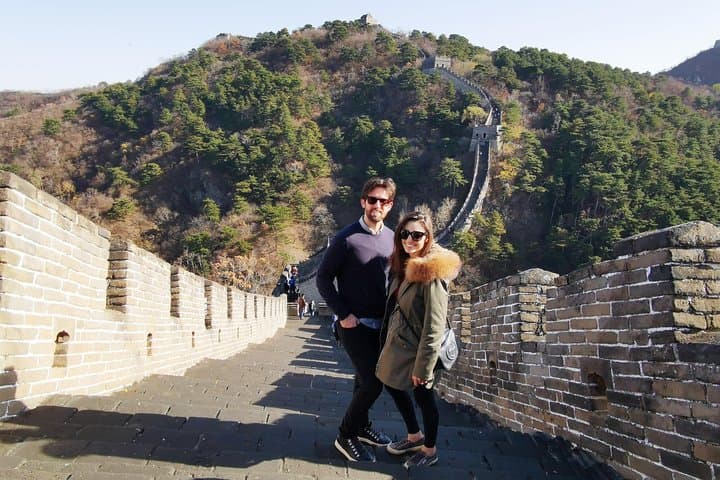

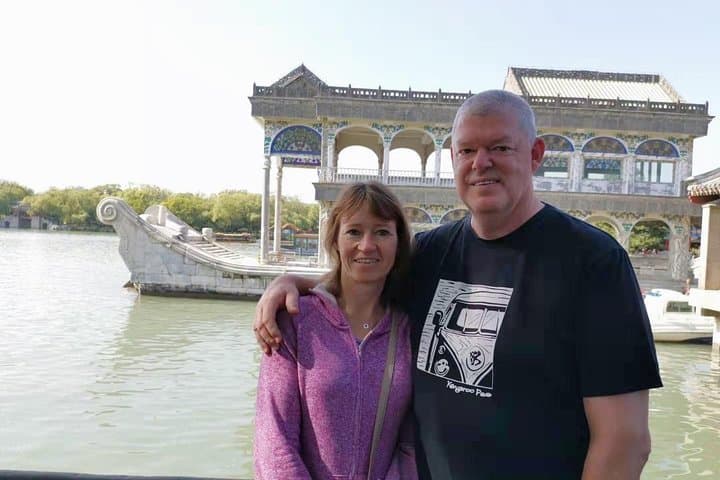
You step out of Beijing’s traffic roar into a quieter world of water and stone: the wide sweep of Kunming Lake mirrors pavilion roofs at the Summer Palace while, hours later, the Great Wall rises like an old spine along tree-covered ridges at Mutianyu.
You step out of Beijing’s traffic roar into a quieter world of water and stone: the wide sweep of Kunming Lake mirrors pavilion roofs at the Summer Palace while, hours later, the Great Wall rises like an old spine along tree-covered ridges at Mutianyu.
The Summer Palace began as an imperial garden dominated by Longevity Hill and Kunming Lake, expanded under the Qing dynasty as a retreat for emperors. Its architecture and engineered lakes reflect centuries of landscape design and the political shifts of late-imperial China. Mutianyu, roughly 70 km northeast of the city, is a well-preserved Ming-era barrier once tasked with protecting the capital; its stonework and watchtowers follow a line of granite and schist ridgelines carved by tectonic uplift.
On a private day tour you get context from a guide as you move from painted corridors and mirrored water to the clack of your boots on steep, sometimes uneven steps. The two sites contrast: one curated and gardened, the other rugged and defensive. Expect local vendors near entrances, a chance to ride a chairlift up at Mutianyu or descend by toboggan, and lunch that may be included depending on your booking option.
Practical guidance: wear supportive shoes for long stair sections, carry 1–2 liters of water, and layer for rapid temperature swings between lakeside shade and exposed wall ridges. Start early to avoid mid-day crowds at both sites and bring cash or mobile pay for small purchases. Respect barriers and posted signs—these sites are protected and preservation depends on visitor behavior.