THE ADVENTURE COLLECTIVE® · Independent discovery and booking for outdoor travel

A fast-paced 90‑minute introduction to Chicago’s architectural core, the Must‑See Chicago walking tour visits Wrigley Building, Tribune Tower, the Art Institute exterior and the Riverwalk. Perfect for first-time visitors wanting a concentrated overview and photo stops within the Loop.
A fast-paced 90‑minute introduction to Chicago’s architectural core, the Must‑See Chicago walking tour visits Wrigley Building, Tribune Tower, the Art Institute exterior and the Riverwalk. Perfect for first-time visitors wanting a concentrated overview and photo stops within the Loop.
You step out of the Chicago Architecture Center onto Wacker Drive and the city rearranges itself: the river cutting a bright seam through limestone and steel, terra-cotta façades catching the hour’s light, and the distant silhouette of 875 North Michigan anchoring the skyline.
Verified experiences and guided adventures in the surrounding area.
Operated by Chicago Architecture Center · Chicago, Illinois
You step out of the Chicago Architecture Center onto Wacker Drive and the city rearranges itself: the river cutting a bright seam through limestone and steel, terra-cotta façades catching the hour’s light, and the distant silhouette of 875 North Michigan anchoring the skyline.
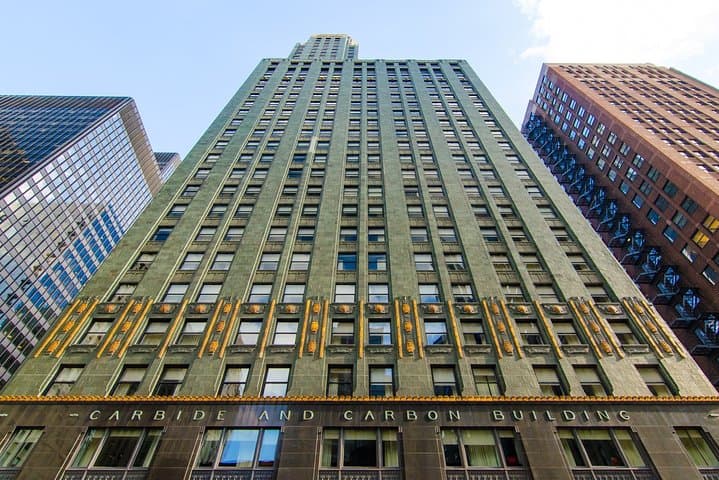
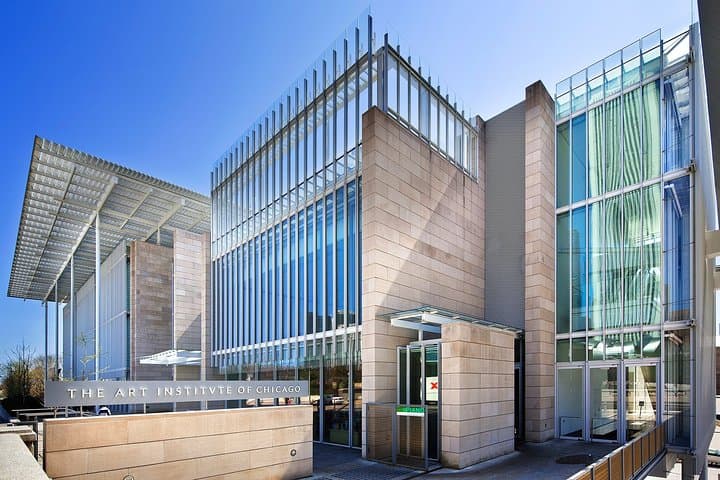
This brisk 90‑minute tour threads more than a dozen architectural highlights—Wrigley Building’s white tile, Tribune Tower’s Gothic details, the Art Institute’s Modern Wing exterior—while tracing the Loop and the Chicago River. Chicago’s architectural history is a patchwork of fire-driven rebirth (post‑1871), early 20th‑century ornament, and late‑century modernism; the riverfront itself was reimagined as both infrastructure and public space during the 20th century, shaping commerce and recreation.
Geology is subtle here: the river carved a corridor through glacial and lake-deposited sediments, guiding where bridges and boulevards would land. Culturally, the Loop has long been the city’s civic stage—banks, newspapers and museums packed within short walking distance.
Practical guidance: the tour is fast-paced and mostly on paved sidewalks with short stops for photos; wear supportive walking shoes and dress in layers—lake-effect winds can change the temperature quickly. Public transit drops you within blocks; arrive 15 minutes early to check in at the Chicago Architecture Center. Bring a charged phone or camera with a wide-angle option for river and tower shots, and a small water bottle—there are limited official restroom stops on route. The tour is accessible to most fitness levels but not suited to those with significant mobility restrictions given curb crossings and urban traffic.
By the end you’ll understand how Chicago’s skyline reads like chapters in a book—each façade offering a different paragraph in the city’s built story.
easy.
1.5 hours.
Suitable for most people who can walk 1–2 miles on paved city sidewalks and manage curb crossings.
Meet at the Chicago Architecture Center, 111 E Wacker Drive; arrive 15 minutes early to check in at the box office.
Much of the route uses paved sidewalks and curb ramps, but some crossings and quick movements may limit accessibility—contact the operator for specifics.
Yes—strollers are allowed, but the guided pace is brisk and space at some stops can be tight.
Full refund available if canceled at least 24 hours before departure; no refund within 24 hours of the tour.
Post‑Great Chicago Fire rebuilding and the city’s 19th–20th century boom drove the varied architectural styles you'll see on the tour.
The Chicago River revitalization projects aim to balance public access with habitat restoration; stick to marked paths and avoid disturbing planting beds.
Chicago Architecture Center operates guided outdoor trips and adventures with an emphasis on safety, stewardship, and memorable experiences.
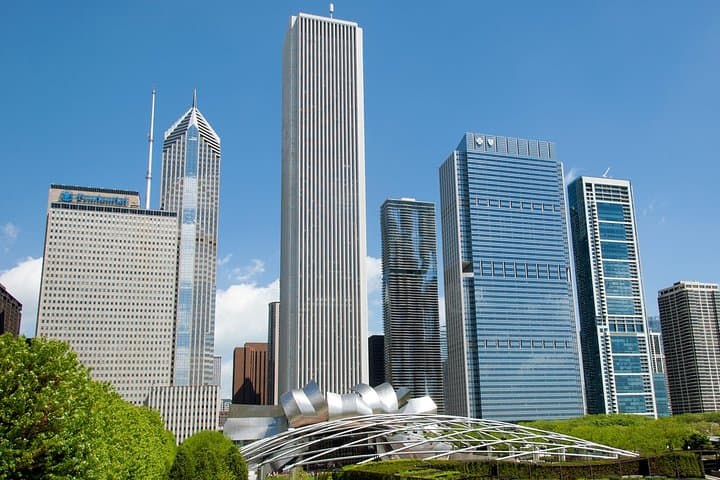

You step out of the Chicago Architecture Center onto Wacker Drive and the city rearranges itself: the river cutting a bright seam through limestone and steel, terra-cotta façades catching the hour’s light, and the distant silhouette of 875 North Michigan anchoring the skyline.
You step out of the Chicago Architecture Center onto Wacker Drive and the city rearranges itself: the river cutting a bright seam through limestone and steel, terra-cotta façades catching the hour’s light, and the distant silhouette of 875 North Michigan anchoring the skyline.
This brisk 90‑minute tour threads more than a dozen architectural highlights—Wrigley Building’s white tile, Tribune Tower’s Gothic details, the Art Institute’s Modern Wing exterior—while tracing the Loop and the Chicago River. Chicago’s architectural history is a patchwork of fire-driven rebirth (post‑1871), early 20th‑century ornament, and late‑century modernism; the riverfront itself was reimagined as both infrastructure and public space during the 20th century, shaping commerce and recreation.
Geology is subtle here: the river carved a corridor through glacial and lake-deposited sediments, guiding where bridges and boulevards would land. Culturally, the Loop has long been the city’s civic stage—banks, newspapers and museums packed within short walking distance.
Practical guidance: the tour is fast-paced and mostly on paved sidewalks with short stops for photos; wear supportive walking shoes and dress in layers—lake-effect winds can change the temperature quickly. Public transit drops you within blocks; arrive 15 minutes early to check in at the Chicago Architecture Center. Bring a charged phone or camera with a wide-angle option for river and tower shots, and a small water bottle—there are limited official restroom stops on route. The tour is accessible to most fitness levels but not suited to those with significant mobility restrictions given curb crossings and urban traffic.
By the end you’ll understand how Chicago’s skyline reads like chapters in a book—each façade offering a different paragraph in the city’s built story.