THE ADVENTURE COLLECTIVE® · Independent discovery and booking for outdoor travel

A guided morning nature walk from Mussoorie to George Everest House that blends colonial history, birding and Himalayan ridgeline views over ~3 km of mixed forest trail. Ideal for early-risers who want a short, interpretive hike with local context.
A guided morning nature walk from Mussoorie to George Everest House that blends colonial history, birding and Himalayan ridgeline views over ~3 km of mixed forest trail. Ideal for early-risers who want a short, interpretive hike with local context.
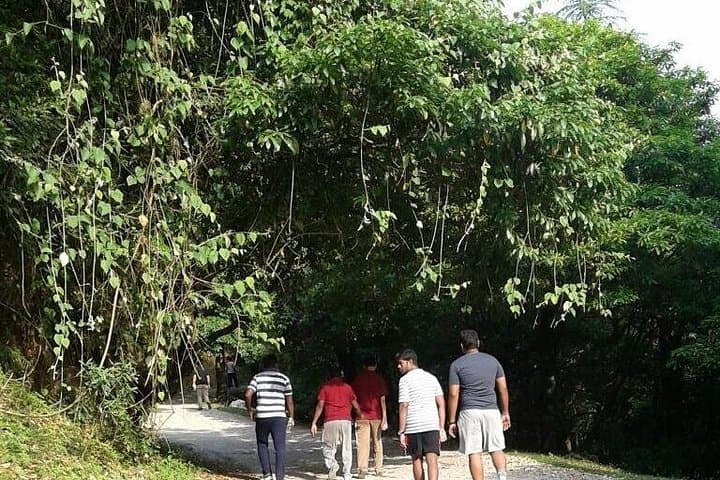
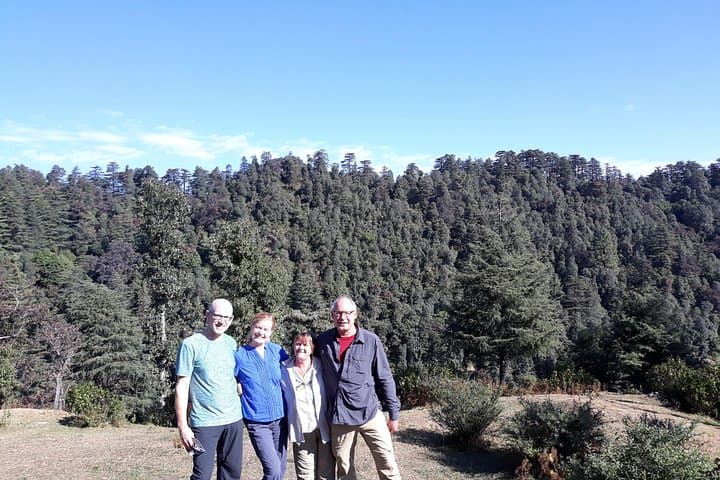
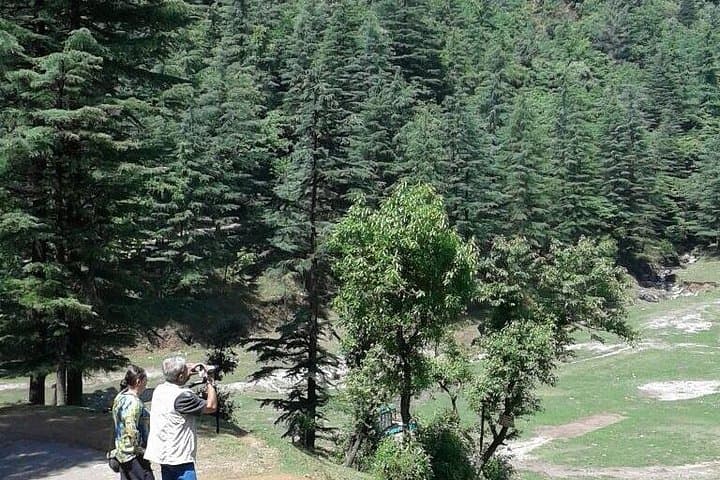
You start before dawn, the town still soft with mist, and the trail pushes upward through a cool mix of pine and oak. The guide sets the pace, stopping to point out a bird that darts between branches or to explain a slab of exposed shale catching the first light. At George Everest House the ridge opens: Doon Valley stretches below and the nearer crests of the Himalaya stand like a low, snow-rimmed skyline.
Verified experiences and guided adventures in the surrounding area.
Operated by Divine Uttarakhand || 91-6300256017 || · Mussoorie, Uttarakhand
You start before dawn, the town still soft with mist, and the trail pushes upward through a cool mix of pine and oak. The guide sets the pace, stopping to point out a bird that darts between branches or to explain a slab of exposed shale catching the first light. At George Everest House the ridge opens: Doon Valley stretches below and the nearer crests of the Himalaya stand like a low, snow-rimmed skyline.
The walk threads colonial history and local culture. George Everest’s nineteenth-century surveying house sits on terrain that was once used to map the subcontinent; the surrounding paths were historically trod by tea planters and local shepherds. Geologically, the area is a Himalayan foothill of folded sedimentary rock—expect rocky steps and compacted forest soil rather than long, flat promenades. Culturally, Landour and Mussoorie retain Anglo-Indian influences alongside Garhwali village life; guides commonly narrate both colonial anecdotes and Uttarakhand traditions.
Practically, this guided route covers roughly 3 km of trails with short steeps and stone steps; walking time is about 1–1.5 hours, though the full tour may be scheduled as a 2–3 hour activity to allow stops, narration, and optional side hikes to the George Everest peak.
Bring layered clothing for rapid temperature shifts, sturdy footwear for uneven stone paths, and a camera with a zoom for birds and distant peaks. Go early for the clearest views and quieter forest; if you have mobility or heart concerns, note the moderate uphill sections and discuss pace with your guide.
moderate.
1–3 hours.
Suitable for travelers with a moderate level of fitness who can handle short uphill sections and uneven footing.
The guided route covers about 3 km with short, moderate uphill sections; walking time is roughly 1–1.5 hours, though the full tour may be scheduled for up to 2–3 hours to include stops.
Most departures begin near central Mussoorie or a designated meeting point close to the Wishing Well; the route reaches George Everest House and typically ends near Hathi Paon Chowk or the town center.
Yes—local guides provide interpretation on George Everest’s surveying legacy, Uttarakhand culture, and common bird species found in Mussoorie.
Tours can be canceled for poor weather; expect rain or fog to degrade views and make trails slippery—the operator typically offers refunds if canceled at least 24 hours prior.
George Everest House was part of 19th-century surveying efforts; the site and surrounding paths retain colonial-era trails and local Landour culture.
Stick to marked trails to protect fragile Himalayan foothill understory; avoid feeding wildlife and pack out any trash to minimize visitor impact.
Divine Uttarakhand || 91-6300256017 || operates guided outdoor trips and adventures with an emphasis on safety, stewardship, and memorable experiences.
You start before dawn, the town still soft with mist, and the trail pushes upward through a cool mix of pine and oak. The guide sets the pace, stopping to point out a bird that darts between branches or to explain a slab of exposed shale catching the first light. At George Everest House the ridge opens: Doon Valley stretches below and the nearer crests of the Himalaya stand like a low, snow-rimmed skyline.
You start before dawn, the town still soft with mist, and the trail pushes upward through a cool mix of pine and oak. The guide sets the pace, stopping to point out a bird that darts between branches or to explain a slab of exposed shale catching the first light. At George Everest House the ridge opens: Doon Valley stretches below and the nearer crests of the Himalaya stand like a low, snow-rimmed skyline.
The walk threads colonial history and local culture. George Everest’s nineteenth-century surveying house sits on terrain that was once used to map the subcontinent; the surrounding paths were historically trod by tea planters and local shepherds. Geologically, the area is a Himalayan foothill of folded sedimentary rock—expect rocky steps and compacted forest soil rather than long, flat promenades. Culturally, Landour and Mussoorie retain Anglo-Indian influences alongside Garhwali village life; guides commonly narrate both colonial anecdotes and Uttarakhand traditions.
Practically, this guided route covers roughly 3 km of trails with short steeps and stone steps; walking time is about 1–1.5 hours, though the full tour may be scheduled as a 2–3 hour activity to allow stops, narration, and optional side hikes to the George Everest peak.
Bring layered clothing for rapid temperature shifts, sturdy footwear for uneven stone paths, and a camera with a zoom for birds and distant peaks. Go early for the clearest views and quieter forest; if you have mobility or heart concerns, note the moderate uphill sections and discuss pace with your guide.