THE ADVENTURE COLLECTIVE® · Independent discovery and booking for outdoor travel

A focused two-hour walking tour exploring Sefton Park’s role in Liverpool’s music and art history. Walk accessible paths, hear stories from Victorian design to modern gigs, and finish on Lark Lane for food and records.
A focused two-hour walking tour exploring Sefton Park’s role in Liverpool’s music and art history. Walk accessible paths, hear stories from Victorian design to modern gigs, and finish on Lark Lane for food and records.
You step out of St Michael’s station and the city exhales: broad tree-lined avenues open, a boating lake glitters and distant brass notes seem to hang in the air. Sefton Park unfolds across 235 acres—urban green that has long pushed and prodded Liverpool’s musicians and artists into creating. On this two-hour walking tour the park reads like a live album sleeve, each path a verse, each bandstand and cedarnoted corner a chorus.
Verified experiences and guided adventures in the surrounding area.
Operated by Liverpool Culture Walks · Liverpool, England
You step out of St Michael’s station and the city exhales: broad tree-lined avenues open, a boating lake glitters and distant brass notes seem to hang in the air. Sefton Park unfolds across 235 acres—urban green that has long pushed and prodded Liverpool’s musicians and artists into creating. On this two-hour walking tour the park reads like a live album sleeve, each path a verse, each bandstand and cedarnoted corner a chorus.
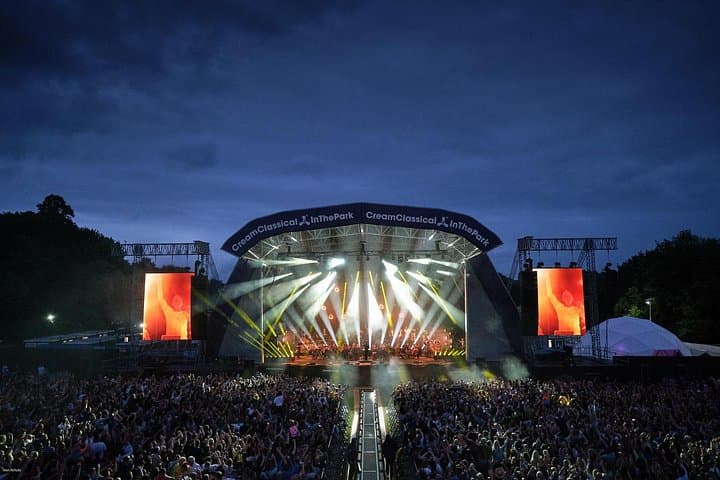
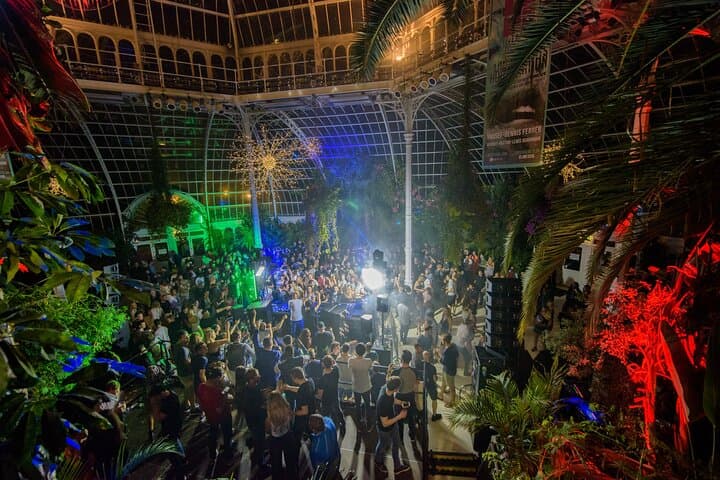
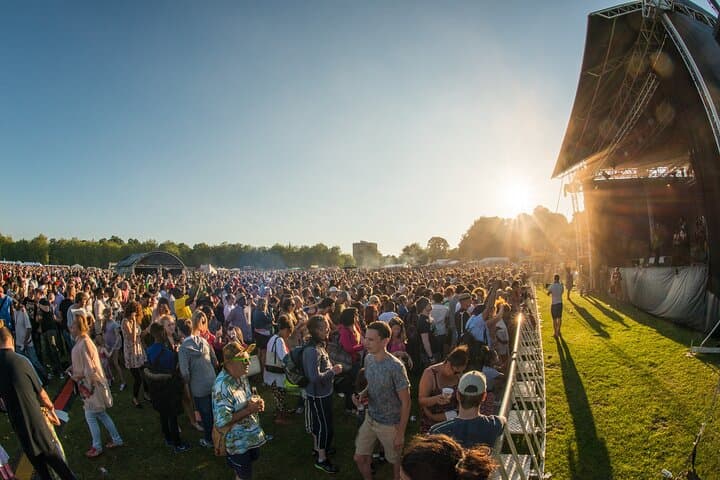
Opened in the 19th century and designed by Edouard André, Sefton Park blends Victorian horticulture with later cultural layers; public concerts, large-scale community events such as Africa Oyé, and impromptu gigs have all left marks here. The geology is gentle—low-lying glacial clays and landscaped earthworks that shape sweeping lawns and sheltered hollows. Social history appears in memorials, the Palm House conservatory’s ironwork, and stories of local figures from George Melly to modern indie bands who recorded or played in the park.
Expect a steady, accessible walk on compacted paths and occasional grass; your guide will point out plaques, performance spots, and lesser-known corners where musicians have found solitude. Photogenic vantage points include the boating lake, the Palm House exterior, and the Lark Lane finish with its cafés and record shops.
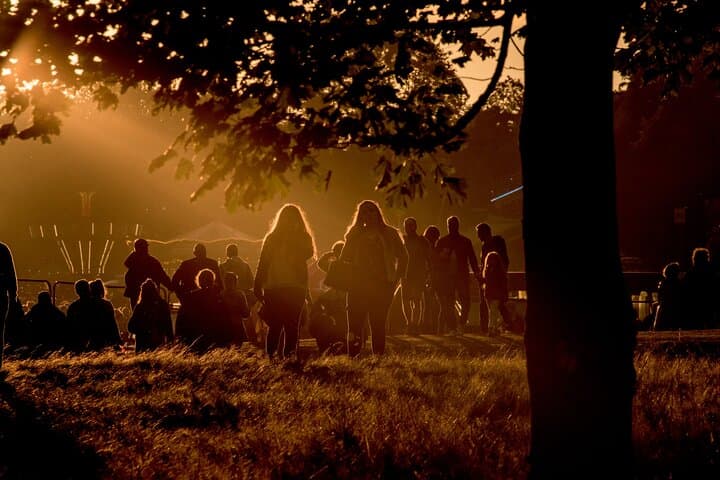
Practical tips: arrive 10–15 minutes early at St Michael’s, wear layered clothing (Liverpool weather changes quickly), and bring an all-weather jacket. The route is wheelchair- and stroller-friendly; the pace is relaxed but bring comfortable shoes and a small bottle of water. Timing your visit for late afternoon lets light sit low across the lawns and often captures informal live music drifting through the trees.
easy.
2 hours.
Suitable for most fitness levels; involves gentle walking on mostly flat terrain.
Yes—paths covered on the tour are wheelchair- and stroller-accessible and the guide meets at ground level outside St Michael’s station.
Shared tours cap at about 15 people, keeping the walk relaxed and conversational.
The tour highlights locations associated with live music and may coincide with informal performances, but scheduled concerts are not guaranteed.
The standard offering is in English; check the booking page for any alternative language availability or private tour options.
Sefton Park opened in the 1870s after a competition to design public parks; its Palm House and bandstand reflect Victorian civic investment in green space and public culture.
The park is managed to balance recreation and biodiversity—dog controls, habitat zones and event permitting help protect lawns and nesting birds.
Liverpool Culture Walks operates guided outdoor trips and adventures with an emphasis on safety, stewardship, and memorable experiences.
You step out of St Michael’s station and the city exhales: broad tree-lined avenues open, a boating lake glitters and distant brass notes seem to hang in the air. Sefton Park unfolds across 235 acres—urban green that has long pushed and prodded Liverpool’s musicians and artists into creating. On this two-hour walking tour the park reads like a live album sleeve, each path a verse, each bandstand and cedarnoted corner a chorus.
You step out of St Michael’s station and the city exhales: broad tree-lined avenues open, a boating lake glitters and distant brass notes seem to hang in the air. Sefton Park unfolds across 235 acres—urban green that has long pushed and prodded Liverpool’s musicians and artists into creating. On this two-hour walking tour the park reads like a live album sleeve, each path a verse, each bandstand and cedarnoted corner a chorus.
Opened in the 19th century and designed by Edouard André, Sefton Park blends Victorian horticulture with later cultural layers; public concerts, large-scale community events such as Africa Oyé, and impromptu gigs have all left marks here. The geology is gentle—low-lying glacial clays and landscaped earthworks that shape sweeping lawns and sheltered hollows. Social history appears in memorials, the Palm House conservatory’s ironwork, and stories of local figures from George Melly to modern indie bands who recorded or played in the park.
Expect a steady, accessible walk on compacted paths and occasional grass; your guide will point out plaques, performance spots, and lesser-known corners where musicians have found solitude. Photogenic vantage points include the boating lake, the Palm House exterior, and the Lark Lane finish with its cafés and record shops.
Practical tips: arrive 10–15 minutes early at St Michael’s, wear layered clothing (Liverpool weather changes quickly), and bring an all-weather jacket. The route is wheelchair- and stroller-friendly; the pace is relaxed but bring comfortable shoes and a small bottle of water. Timing your visit for late afternoon lets light sit low across the lawns and often captures informal live music drifting through the trees.