THE ADVENTURE COLLECTIVE® · Independent discovery and booking for outdoor travel

Spend 12 days tracing Nepal's fungal diversity from the cool slopes of Shivapuri to the riverine jungles of Chitwan and the lakeside foothills of Pokhara. Learn to identify edible species, practice sustainable foraging, and experience local culinary uses under expert guidance.
Spend 12 days tracing Nepal's fungal diversity from the cool slopes of Shivapuri to the riverine jungles of Chitwan and the lakeside foothills of Pokhara. Learn to identify edible species, practice sustainable foraging, and experience local culinary uses under expert guidance.
You step out of Kathmandu's busy lanes and inhale damp earth: the forest is a living map of scent and shadow. Moss cushions underfoot, and trunks lean like old guides pointing toward patches of cracked leaf litter where mushrooms push through the duff. A local mycologist crouches, tapping caps and explaining how subtle color and gill structure separate an edible prize from a dangerous look‑alike.
Verified experiences and guided adventures in the surrounding area.
Operated by Voyageons Nepal. · Kathmandu, Bagmati Province
You step out of Kathmandu's busy lanes and inhale damp earth: the forest is a living map of scent and shadow. Moss cushions underfoot, and trunks lean like old guides pointing toward patches of cracked leaf litter where mushrooms push through the duff. A local mycologist crouches, tapping caps and explaining how subtle color and gill structure separate an edible prize from a dangerous look‑alike.
This multi‑day expedition threads three distinct Nepali landscapes. Around Shivapuri, mid‑hills of grey schist and mixed broadleaf forest create cool, shaded niches ideal for chanterelles and morels. In Chitwan's tropical riverine forests, warmer, humid soils support oyster species and seasonal porcini relatives. Pokhara offers montane slopes and lakeside microclimates where fungi appear in unexpected places.
Historically, Nepali communities have used fungi for food and medicine; ethnobotanical traditions persist in village kitchens. Geologically, the transition from Siwalik foothills to higher Himalayan outliers creates varied soils and moisture regimes that shape fungal diversity.
Practical guide: the trip demands moderate fitness for 3–6 hour forest walks and basic altitude acclimatization when transitioning between regions. Wear grippy boots, bring a small folding knife and basket for samples (never eat anything raw unless a qualified guide confirms it), and expect wet, muddy trails in monsoon months. Hydrate, pack insect repellent, and plan photography breaks during low light—early morning and late afternoon reveal the best fungal activity.
Respect local rules: many parks restrict removal of specimens or require permits. When in doubt, photograph and note habitat rather than harvesting. This expedition pairs natural history with hands‑on skills, offering a careful way to learn which species feed and which you should leave to the forest.
moderate.
11–12 days.
Moderate fitness: able to hike 3–6 hours on uneven terrain and tolerate short vehicle transfers
Collection rules vary by park; guides will advise which species may be harvested and what permits apply — often you’ll sample small amounts for meals under supervision.
Yes, when accompanied by a qualified mycologist or experienced local guide who teaches identification and safe handling techniques.
Monsoon and immediate post‑monsoon months typically yield the most fruiting bodies in lowland and mid‑hills; higher elevations follow slightly later.
Meals specified in the itinerary include local dishes; the trip often includes demonstrations of simple mushroom preparations by local cooks.
Local hill communities have used fungi for generations as both food and traditional remedies; many identification traditions are orally transmitted.
Foraging can stress local populations and habitats; responsible tours limit harvest, emphasize identification, and encourage leaving most specimens in place to preserve ecosystems.
Voyageons Nepal. operates guided outdoor trips and adventures with an emphasis on safety, stewardship, and memorable experiences.
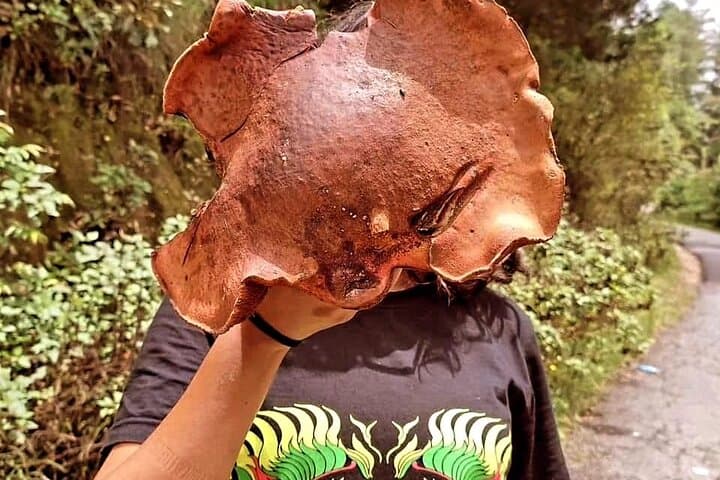
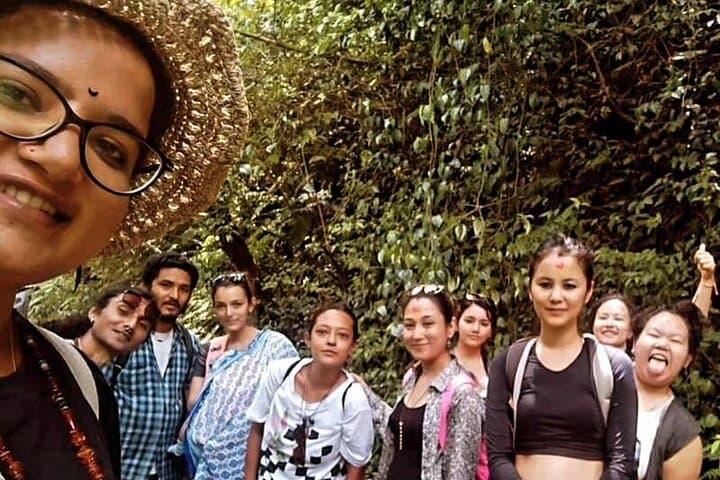
You step out of Kathmandu's busy lanes and inhale damp earth: the forest is a living map of scent and shadow. Moss cushions underfoot, and trunks lean like old guides pointing toward patches of cracked leaf litter where mushrooms push through the duff. A local mycologist crouches, tapping caps and explaining how subtle color and gill structure separate an edible prize from a dangerous look‑alike.
You step out of Kathmandu's busy lanes and inhale damp earth: the forest is a living map of scent and shadow. Moss cushions underfoot, and trunks lean like old guides pointing toward patches of cracked leaf litter where mushrooms push through the duff. A local mycologist crouches, tapping caps and explaining how subtle color and gill structure separate an edible prize from a dangerous look‑alike.
This multi‑day expedition threads three distinct Nepali landscapes. Around Shivapuri, mid‑hills of grey schist and mixed broadleaf forest create cool, shaded niches ideal for chanterelles and morels. In Chitwan's tropical riverine forests, warmer, humid soils support oyster species and seasonal porcini relatives. Pokhara offers montane slopes and lakeside microclimates where fungi appear in unexpected places.
Historically, Nepali communities have used fungi for food and medicine; ethnobotanical traditions persist in village kitchens. Geologically, the transition from Siwalik foothills to higher Himalayan outliers creates varied soils and moisture regimes that shape fungal diversity.
Practical guide: the trip demands moderate fitness for 3–6 hour forest walks and basic altitude acclimatization when transitioning between regions. Wear grippy boots, bring a small folding knife and basket for samples (never eat anything raw unless a qualified guide confirms it), and expect wet, muddy trails in monsoon months. Hydrate, pack insect repellent, and plan photography breaks during low light—early morning and late afternoon reveal the best fungal activity.
Respect local rules: many parks restrict removal of specimens or require permits. When in doubt, photograph and note habitat rather than harvesting. This expedition pairs natural history with hands‑on skills, offering a careful way to learn which species feed and which you should leave to the forest.