THE ADVENTURE COLLECTIVE® · Independent discovery and booking for outdoor travel

Skip the lines and move straight into MoMA’s concentrated collection of modern and contemporary art. This practical guide covers timing, highlights like The Starry Night and Warhol, and what to know before you go.
Skip the lines and move straight into MoMA’s concentrated collection of modern and contemporary art. This practical guide covers timing, highlights like The Starry Night and Warhol, and what to know before you go.
Stepping off West 53rd Street, the museum’s limestone façade gives way to cool galleries where light settles across canvases and objects with an almost deliberate curiosity. Visit a quiet early-morning gallery and you can feel the hush of a century of experiment — paint, film, sculpture and design converging in rooms that ask you to look again.
Verified experiences and guided adventures in the surrounding area.
Operated by The Museum of Modern Art · New York, NY
Stepping off West 53rd Street, the museum’s limestone façade gives way to cool galleries where light settles across canvases and objects with an almost deliberate curiosity. Visit a quiet early-morning gallery and you can feel the hush of a century of experiment — paint, film, sculpture and design converging in rooms that ask you to look again.
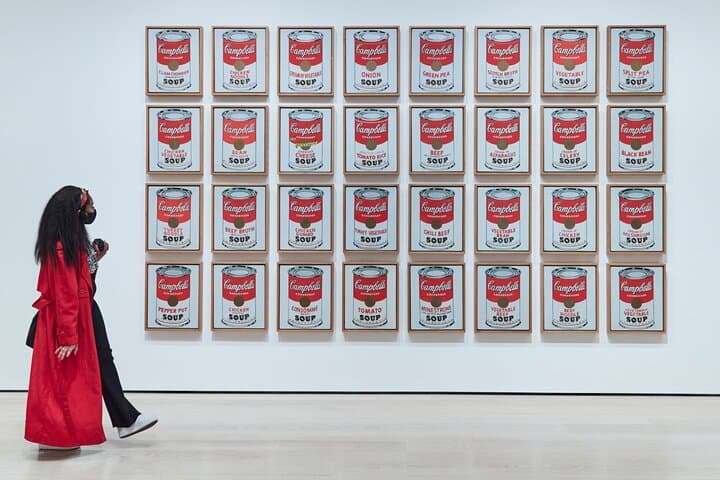
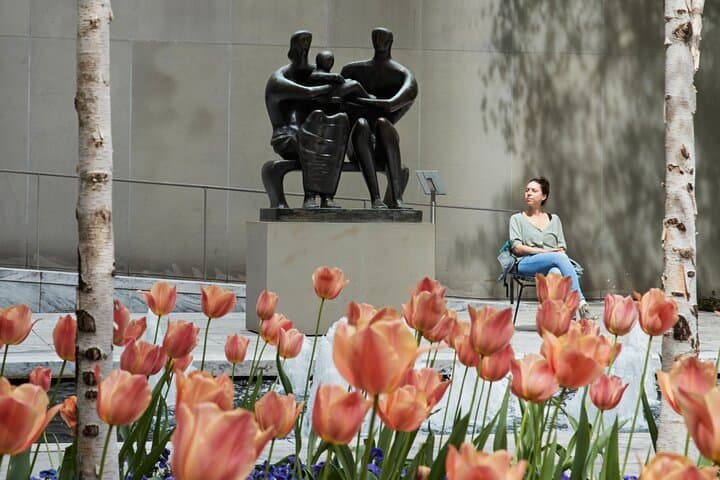
Founded in 1929 from a small gift of prints and drawings, MoMA grew into one of the world’s leading modern and contemporary art institutions. Its collection spans Van Gogh’s The Starry Night to Warhol’s Marilyns, alongside architecture models, photography and moving-image programs. The building’s midtown site reflects layers of New York history — successive expansions, a celebrated sculpture garden and program links to MoMA PS1 in Queens for experimental work.
Practical rhythm: plan roughly 2–3 hours for a focused visit and 3–4+ hours if you want special exhibitions and films. Mobile tickets grant direct entry; expect a security check and bag-size rules. The museum provides free audio guides in multiple languages to steer attention toward lesser-known works, and accessible routes and wheelchairs on request.
Timing matters: arrive at opening or late afternoon to avoid peak crowds; reserve special-exhibition time slots when available. Keep a small, permitted bag, wear comfortable shoes for gallery circuits, and charge your phone — the audio guide and exhibition maps live on your device. Respect gallery etiquette: no food, and certain works have photography or flash restrictions. With a clear plan and modest pace, MoMA yields both quick highlights and layered encounters that reward repeat visits.
easy.
2–3 hours (typical visit).
Suitable for all fitness levels—requires standing and walking on flat gallery floors for extended periods
No—food and drinks are prohibited in galleries; you can eat at designated museum cafés or nearby restaurants.
Non-flash photography is allowed in many galleries but some works and special exhibitions restrict photography—follow on-site signage.
Yes—MoMA is fully wheelchair accessible and provides free wheelchairs on a first-come, first-served basis; accessible restrooms and routes are available.
Admission includes access to MoMA’s collection galleries, special exhibitions (as specified), daily film screenings, and a free audio guide; some tickets also include entry to MoMA PS1 within 14 days.
Founded in 1929, MoMA began with a modest gift and expanded over decades into a global center for modern and contemporary art, commissioning major exhibitions and building a diverse collection.
MoMA actively conserves works through a dedicated conservation department and enforces strict environmental controls in galleries; visitors help by adhering to bag and food policies.
The Museum of Modern Art operates guided outdoor trips and adventures with an emphasis on safety, stewardship, and memorable experiences.
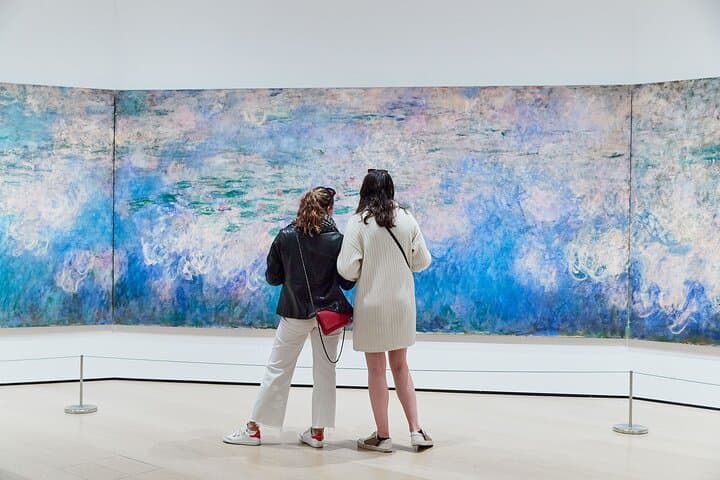
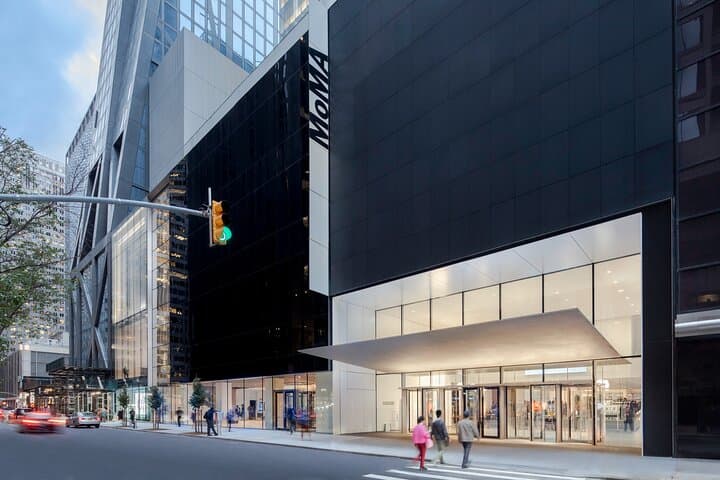
Stepping off West 53rd Street, the museum’s limestone façade gives way to cool galleries where light settles across canvases and objects with an almost deliberate curiosity. Visit a quiet early-morning gallery and you can feel the hush of a century of experiment — paint, film, sculpture and design converging in rooms that ask you to look again.
Stepping off West 53rd Street, the museum’s limestone façade gives way to cool galleries where light settles across canvases and objects with an almost deliberate curiosity. Visit a quiet early-morning gallery and you can feel the hush of a century of experiment — paint, film, sculpture and design converging in rooms that ask you to look again.
Founded in 1929 from a small gift of prints and drawings, MoMA grew into one of the world’s leading modern and contemporary art institutions. Its collection spans Van Gogh’s The Starry Night to Warhol’s Marilyns, alongside architecture models, photography and moving-image programs. The building’s midtown site reflects layers of New York history — successive expansions, a celebrated sculpture garden and program links to MoMA PS1 in Queens for experimental work.
Practical rhythm: plan roughly 2–3 hours for a focused visit and 3–4+ hours if you want special exhibitions and films. Mobile tickets grant direct entry; expect a security check and bag-size rules. The museum provides free audio guides in multiple languages to steer attention toward lesser-known works, and accessible routes and wheelchairs on request.
Timing matters: arrive at opening or late afternoon to avoid peak crowds; reserve special-exhibition time slots when available. Keep a small, permitted bag, wear comfortable shoes for gallery circuits, and charge your phone — the audio guide and exhibition maps live on your device. Respect gallery etiquette: no food, and certain works have photography or flash restrictions. With a clear plan and modest pace, MoMA yields both quick highlights and layered encounters that reward repeat visits.