THE ADVENTURE COLLECTIVE® · Independent discovery and booking for outdoor travel

Step into Wynwood’s pulse: the Museum of Graffiti pairs indoor exhibits with eleven exterior murals that trace the evolution of street art. This practical guide covers history, what to expect, and tips for timing your visit.
Step into Wynwood’s pulse: the Museum of Graffiti pairs indoor exhibits with eleven exterior murals that trace the evolution of street art. This practical guide covers history, what to expect, and tips for timing your visit.
A mid-morning Miami sun pushes color across a block of concrete and corrugated steel as visitors step into the Museum of Graffiti. The building hums with the same energy that turned Wynwood from an industrial grid into one of the world’s largest outdoor galleries: walls that demand a second look, corridors where spray-painted narratives run shoulder to shoulder with framed works.
Verified experiences and guided adventures in the surrounding area.
Operated by Museum of Graffiti · Miami, Florida
A mid-morning Miami sun pushes color across a block of concrete and corrugated steel as visitors step into the Museum of Graffiti. The building hums with the same energy that turned Wynwood from an industrial grid into one of the world’s largest outdoor galleries: walls that demand a second look, corridors where spray-painted narratives run shoulder to shoulder with framed works.
Founded to preserve graffiti’s history, the museum pairs indoor exhibits and a fine art gallery with eleven exterior murals that anchor Wynwood’s cultural identity. The neighborhood sits on a porous limestone shelf—flat as a tabletop—so the art reads against a broad, low skyline rather than a dramatic ridge. That geology and Miami’s subtropical climate helped industrial buildings persist long enough for artists to reclaim them in the 1990s and 2000s, creating a public canvas that now feeds fashion, design, and advertising worldwide.
Practicalities are simple: admission is typically 45–60 minutes, mobile tickets accept immediate entry, and the site at 276 NW 26th Street is wheelchair accessible. Peak light for photos is morning and late afternoon; midday sun flattens contrast but makes colors pop against blue skies. Respect the curated walls—don’t touch fresh paint—and budget time to cross the neighborhood on foot to compare sanctioned murals with spontaneous pieces.
Bring sunscreen, a light pack for water and a camera, and allow an hour to absorb indoor exhibits then wander outside. For travelers who want an efficient, visually dense cultural stop, the Museum of Graffiti delivers both context and impact in compact form.
easy.
45–60 minutes.
Suitable for all fitness levels; involves short walking on flat urban surfaces.
Plan 45–60 minutes to view indoor exhibits and the exterior murals; extend your visit if you intend to explore more of Wynwood.
Mobile tickets are common and allow skip-the-line entry; purchasing in advance streamlines arrival, but same-day walk-ups may be available depending on capacity.
Yes—facilities and surfaces are wheelchair accessible and the museum notes accessibility for strollers and service animals.
Photography is generally allowed for personal use, but avoid flash on delicate works and respect signage restricting photos of certain pieces.
Wynwood transformed from industrial warehouses to an art district when graffiti artists began painting factory walls in the late 20th century, leading to large-scale curated projects and galleries.
The museum advocates for preserving graffiti’s history and working with property owners on permitted murals; visitors should avoid adding new graffiti and support local artists through purchases and donations.
Museum of Graffiti operates guided outdoor trips and adventures with an emphasis on safety, stewardship, and memorable experiences.

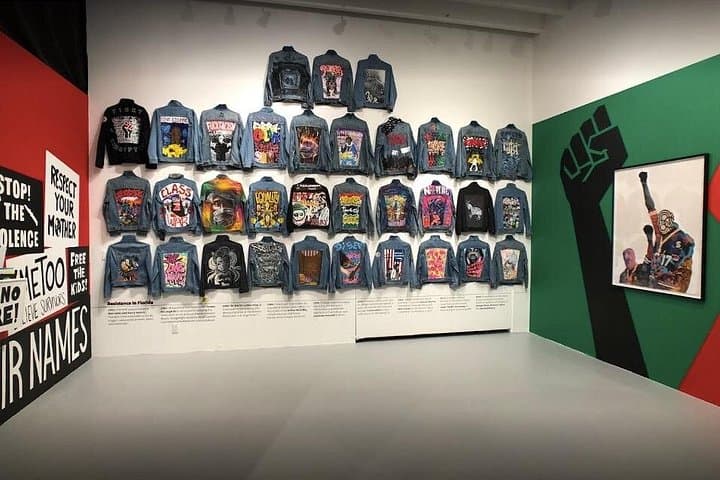

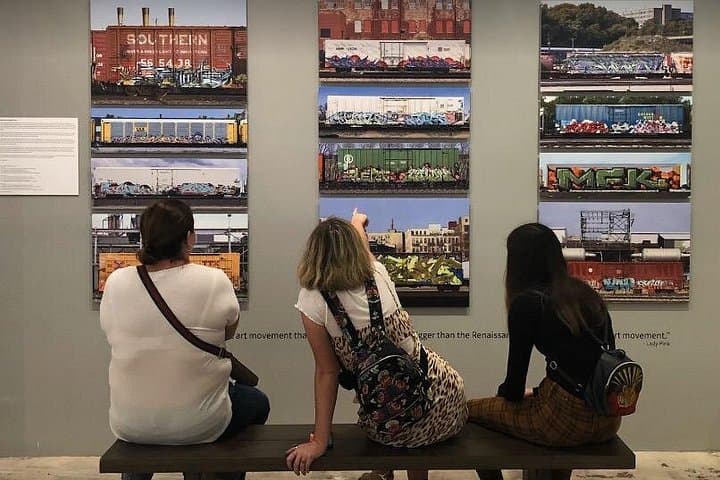
A mid-morning Miami sun pushes color across a block of concrete and corrugated steel as visitors step into the Museum of Graffiti. The building hums with the same energy that turned Wynwood from an industrial grid into one of the world’s largest outdoor galleries: walls that demand a second look, corridors where spray-painted narratives run shoulder to shoulder with framed works.
A mid-morning Miami sun pushes color across a block of concrete and corrugated steel as visitors step into the Museum of Graffiti. The building hums with the same energy that turned Wynwood from an industrial grid into one of the world’s largest outdoor galleries: walls that demand a second look, corridors where spray-painted narratives run shoulder to shoulder with framed works.
Founded to preserve graffiti’s history, the museum pairs indoor exhibits and a fine art gallery with eleven exterior murals that anchor Wynwood’s cultural identity. The neighborhood sits on a porous limestone shelf—flat as a tabletop—so the art reads against a broad, low skyline rather than a dramatic ridge. That geology and Miami’s subtropical climate helped industrial buildings persist long enough for artists to reclaim them in the 1990s and 2000s, creating a public canvas that now feeds fashion, design, and advertising worldwide.
Practicalities are simple: admission is typically 45–60 minutes, mobile tickets accept immediate entry, and the site at 276 NW 26th Street is wheelchair accessible. Peak light for photos is morning and late afternoon; midday sun flattens contrast but makes colors pop against blue skies. Respect the curated walls—don’t touch fresh paint—and budget time to cross the neighborhood on foot to compare sanctioned murals with spontaneous pieces.
Bring sunscreen, a light pack for water and a camera, and allow an hour to absorb indoor exhibits then wander outside. For travelers who want an efficient, visually dense cultural stop, the Museum of Graffiti delivers both context and impact in compact form.