THE ADVENTURE COLLECTIVE® · Independent discovery and booking for outdoor travel

Visit Musée d’Orsay inside a repurposed Beaux‑Arts train station, then glide past Paris’s landmarks on a Seine cruise. This combo pairs up‑close art with a relaxed riverside perspective — perfect for a compact cultural day.
Visit Musée d’Orsay inside a repurposed Beaux‑Arts train station, then glide past Paris’s landmarks on a Seine cruise. This combo pairs up‑close art with a relaxed riverside perspective — perfect for a compact cultural day.
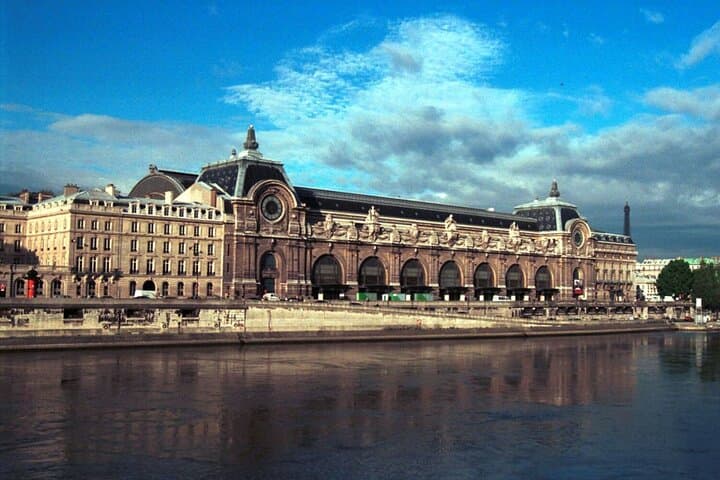
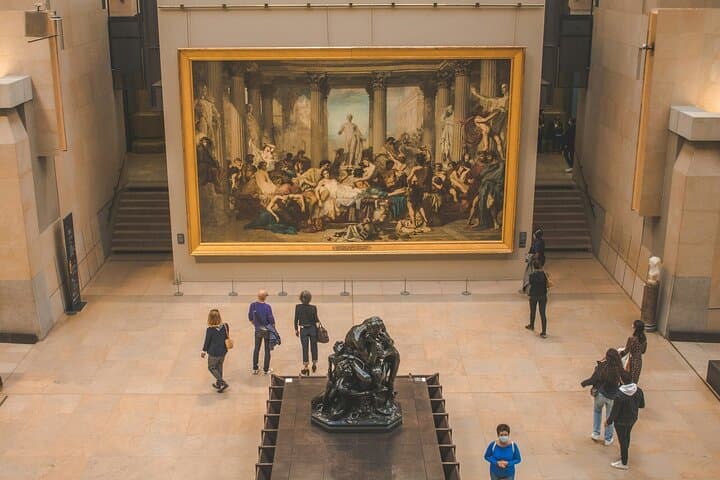
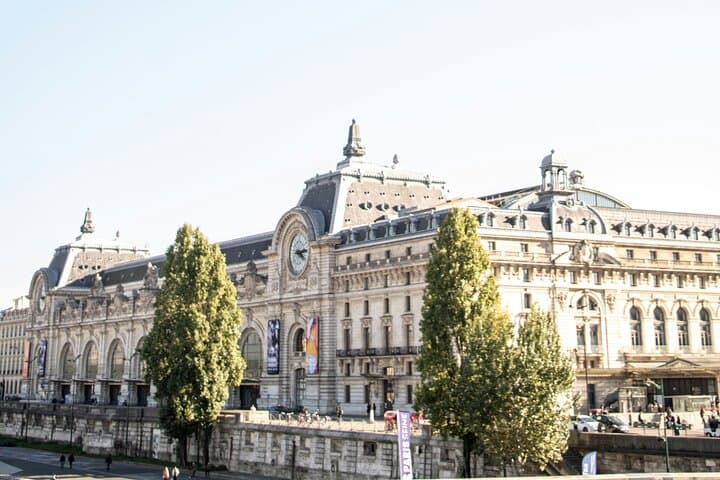
You step through the former Gare d’Orsay’s vast clock face and the city’s light rearranges itself — warm, filtered, focused on brushstrokes. The Musée d’Orsay sits on the left bank of the Seine, where a 19th‑century train station was repurposed into one of Paris’s most vivid galleries. Paintings lean into space like conversations; outside, the river slips past bridges that have watched revolutions and promenades.
Verified experiences and guided adventures in the surrounding area.
Operated by Z-Ocean Tours LLC · Paris, Île-de-France
You step through the former Gare d’Orsay’s vast clock face and the city’s light rearranges itself — warm, filtered, focused on brushstrokes. The Musée d’Orsay sits on the left bank of the Seine, where a 19th‑century train station was repurposed into one of Paris’s most vivid galleries. Paintings lean into space like conversations; outside, the river slips past bridges that have watched revolutions and promenades.
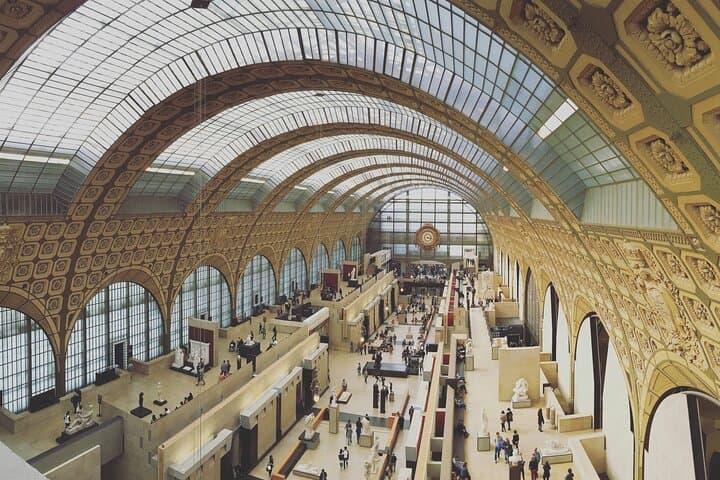
The building’s Beaux‑Arts bones tell as much of a story as the canvases: a railway hall converted after World War II, reimagined in 1986 to showcase Impressionist and Post‑Impressionist masters. The Seine’s silty geology carved the banks that made this quarter a trading artery; those same shores later hosted cafés where artists argued about light and color. Nearby, Haussmann‑era boulevards and Notre‑Dame’s silhouette anchor the cultural landscape.
Practically, this combo pairs a focused museum visit with a relaxed Seine cruise — an ideal rhythm for a single morning or afternoon. Expect polished floors, staircases, and open terraces where you’ll stand to study paintings or the city view. Tickets are mobile‑friendly; the museum is wheelchair accessible. Plan 60–180 minutes for the museum and 45–60 minutes for the cruise, allow extra time for coat checks and queues at peak season.
Wear comfortable shoes for gallery walking and cobbled quays, carry a light layer against river breezes, and keep a small bottle of water. Time your visit near opening to avoid crowds, and board the cruise as daylight softens: the river will outline Paris in clear, moving perspective.
easy.
1–3 hours.
Suitable for all fitness levels; involves standing, moderate walking, and some stairs or short steps.
Allocate 1–3 hours for the Musée d’Orsay and about 45–60 minutes for the Seine river cruise; together plan for 2–4 hours including transit and waits.
Yes — Musée d’Orsay and the cruise boarding areas have wheelchair‑accessible routes and facilities, but check specific assistance needs in advance.
This ticket does not guarantee skip‑the‑line entry; arrive early or mid‑afternoon on weekdays to avoid peak crowds.
Audio guides are typically not included with a basic entry ticket; the cruise usually provides commentary via speakers or a headset at boarding.
The Musée d’Orsay was converted from the 1900 Gare d’Orsay station; it opened as a museum in 1986 to house 19th‑ and early 20th‑century art.
The Seine and its banks are managed for both heritage and ecology; visitors are asked to avoid feeding wildlife and to use bins to keep riverbanks clean.
Z-Ocean Tours LLC operates guided outdoor trips and adventures with an emphasis on safety, stewardship, and memorable experiences.
You step through the former Gare d’Orsay’s vast clock face and the city’s light rearranges itself — warm, filtered, focused on brushstrokes. The Musée d’Orsay sits on the left bank of the Seine, where a 19th‑century train station was repurposed into one of Paris’s most vivid galleries. Paintings lean into space like conversations; outside, the river slips past bridges that have watched revolutions and promenades.
You step through the former Gare d’Orsay’s vast clock face and the city’s light rearranges itself — warm, filtered, focused on brushstrokes. The Musée d’Orsay sits on the left bank of the Seine, where a 19th‑century train station was repurposed into one of Paris’s most vivid galleries. Paintings lean into space like conversations; outside, the river slips past bridges that have watched revolutions and promenades.
The building’s Beaux‑Arts bones tell as much of a story as the canvases: a railway hall converted after World War II, reimagined in 1986 to showcase Impressionist and Post‑Impressionist masters. The Seine’s silty geology carved the banks that made this quarter a trading artery; those same shores later hosted cafés where artists argued about light and color. Nearby, Haussmann‑era boulevards and Notre‑Dame’s silhouette anchor the cultural landscape.
Practically, this combo pairs a focused museum visit with a relaxed Seine cruise — an ideal rhythm for a single morning or afternoon. Expect polished floors, staircases, and open terraces where you’ll stand to study paintings or the city view. Tickets are mobile‑friendly; the museum is wheelchair accessible. Plan 60–180 minutes for the museum and 45–60 minutes for the cruise, allow extra time for coat checks and queues at peak season.
Wear comfortable shoes for gallery walking and cobbled quays, carry a light layer against river breezes, and keep a small bottle of water. Time your visit near opening to avoid crowds, and board the cruise as daylight softens: the river will outline Paris in clear, moving perspective.