THE ADVENTURE COLLECTIVE® · Independent discovery and booking for outdoor travel

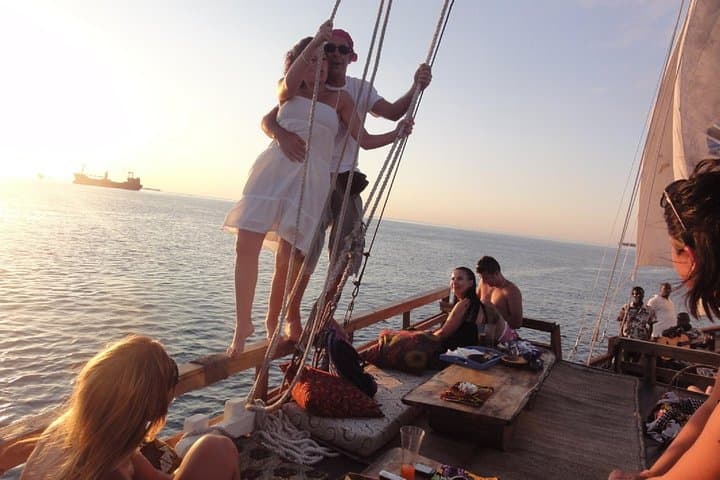
Glide past Al Alam Palace, 16th‑century forts and fishing villages on a traditional Omani dhow. This 2–4 hour coastal and sunset cruise around Muscat pairs maritime history with easy sightseeing and sunset light.
Glide past Al Alam Palace, 16th‑century forts and fishing villages on a traditional Omani dhow. This 2–4 hour coastal and sunset cruise around Muscat pairs maritime history with easy sightseeing and sunset light.
The dhow eases out of Muscat's harbor as late light scours the limestone hills — gulls wheel, the sea takes on oil-slick blues and the city's white façades slide past: Al Alam Palace's bright facade, the 16th‑century Mirani and Jalali forts, and the low roofs of Qantab fishing village.
Verified experiences and guided adventures in the surrounding area.
Operated by Oman Day Tours · Muscat, Muscat
The dhow eases out of Muscat's harbor as late light scours the limestone hills — gulls wheel, the sea takes on oil-slick blues and the city's white façades slide past: Al Alam Palace's bright facade, the 16th‑century Mirani and Jalali forts, and the low roofs of Qantab fishing village.
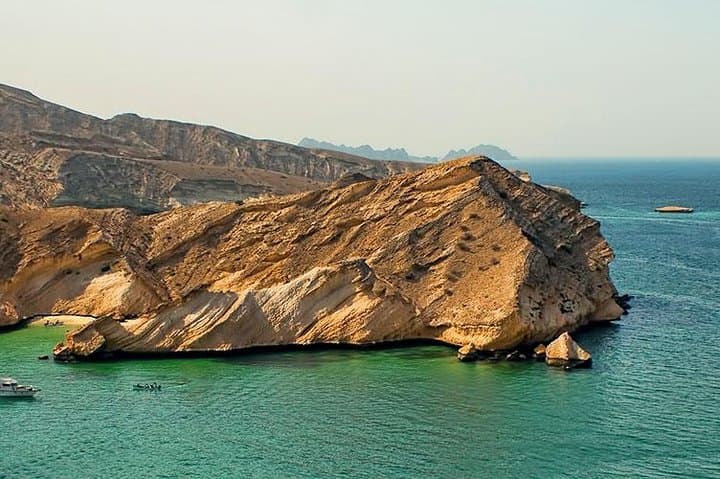
This short coastal cruise follows centuries of maritime traffic along Oman’s Gulf coast. The region’s geology is a mix of rugged ophiolite ridges and eroded limestone cliffs that plunge into calm, warm water — the same shoreline once charted by Portuguese and Omani sailors. The boat itself, a traditional wooden dhow, echoes local boatbuilding traditions that blend Arab and Indian Ocean influences.
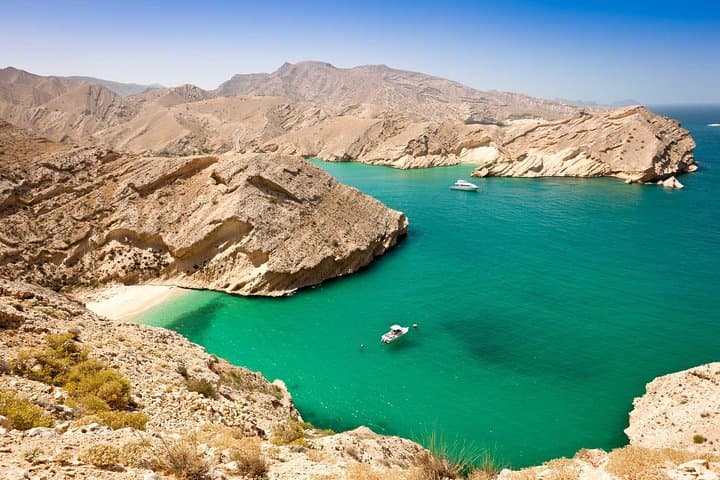
Culturally, the trip gives a quick education in Muscat’s role as a working port and royal precinct: forts that guarded trade lanes and palaces that orient toward the sea. Keep an eye for fishing dhows returning at dusk and for small coves around Bandar Jissah that shelter endemic intertidal life.
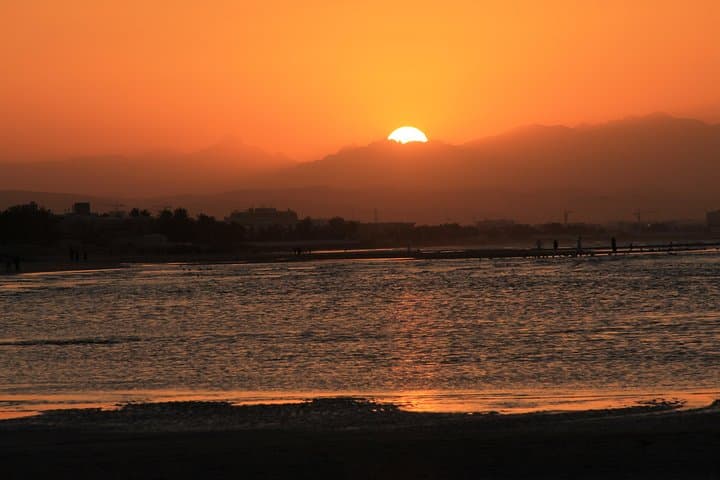
Practical details: the shared cruise runs about 2–4 hours (seasonal: Sept–Apr), requires a minimum two people, and includes bottled water, local taxes and hotel pickup. Bring sun protection, a light wind layer for the open deck and shoes with grip for boarding. Passports are required for boarding; check pickup instructions and timing carefully if you're on a cruise ship. For photographers, aim to be on deck as the sun falls behind the western ridges — the light sharpens the white forts into silhouettes and the sea briefly dares you to slow down and watch.
easy.
2–4 hours.
Suitable for most fitness levels; requires short, stable steps for boarding and standing on deck
The scheduled duration is about 2–4 hours depending on departure and whether you choose a day or sunset option.
Bottled water is provided; light snacks may be available but confirm with the operator if you require meals or have dietary needs.
Yes — a current valid passport is required on the day of travel for all passengers.
Children are welcome but must be accompanied by an adult; infant seats are available on request.
Muscat’s coastline bears layers of maritime history—from Portuguese forts of the 16th century to Omani dhows that sustained trade across the Indian Ocean.
Respect local wildlife by avoiding sudden noise and litter; operators in Muscat commonly follow rules to minimize disturbance to dolphins and shorebirds.
Oman Day Tours operates guided outdoor trips and adventures with an emphasis on safety, stewardship, and memorable experiences.
The dhow eases out of Muscat's harbor as late light scours the limestone hills — gulls wheel, the sea takes on oil-slick blues and the city's white façades slide past: Al Alam Palace's bright facade, the 16th‑century Mirani and Jalali forts, and the low roofs of Qantab fishing village.
The dhow eases out of Muscat's harbor as late light scours the limestone hills — gulls wheel, the sea takes on oil-slick blues and the city's white façades slide past: Al Alam Palace's bright facade, the 16th‑century Mirani and Jalali forts, and the low roofs of Qantab fishing village.
This short coastal cruise follows centuries of maritime traffic along Oman’s Gulf coast. The region’s geology is a mix of rugged ophiolite ridges and eroded limestone cliffs that plunge into calm, warm water — the same shoreline once charted by Portuguese and Omani sailors. The boat itself, a traditional wooden dhow, echoes local boatbuilding traditions that blend Arab and Indian Ocean influences.
Culturally, the trip gives a quick education in Muscat’s role as a working port and royal precinct: forts that guarded trade lanes and palaces that orient toward the sea. Keep an eye for fishing dhows returning at dusk and for small coves around Bandar Jissah that shelter endemic intertidal life.
Practical details: the shared cruise runs about 2–4 hours (seasonal: Sept–Apr), requires a minimum two people, and includes bottled water, local taxes and hotel pickup. Bring sun protection, a light wind layer for the open deck and shoes with grip for boarding. Passports are required for boarding; check pickup instructions and timing carefully if you're on a cruise ship. For photographers, aim to be on deck as the sun falls behind the western ridges — the light sharpens the white forts into silhouettes and the sea briefly dares you to slow down and watch.