THE ADVENTURE COLLECTIVE® · Independent discovery and booking for outdoor travel

Explore Muscat in six hours with a local Omani guide—visit Sultan Qaboos Grand Mosque, the Royal Opera House, Mutrah Souq, Bait Al Zubair, and historic waterfront viewpoints, finishing with optional traditional Shewa. This private tour blends history, culture, and practical stops for photographers and first-time visitors.
Explore Muscat in six hours with a local Omani guide—visit Sultan Qaboos Grand Mosque, the Royal Opera House, Mutrah Souq, Bait Al Zubair, and historic waterfront viewpoints, finishing with optional traditional Shewa. This private tour blends history, culture, and practical stops for photographers and first-time visitors.
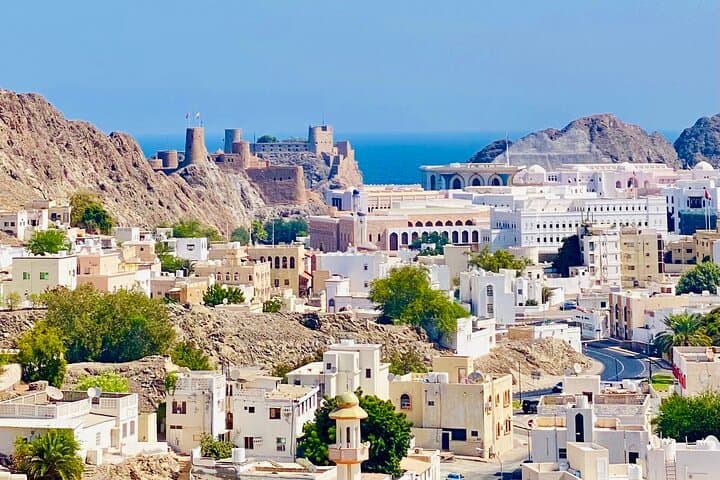
Morning light slides across the Gulf of Oman as your guide maneuvers through Muscat’s low-lying hills and coastal ribbon of white buildings. The day begins at Sultan Qaboos Grand Mosque, where marble columns and an expansive prayer hall give scale to modern Omani identity; later you stand above the harbor watching the historic Portuguese forts keep silent watch over the water.
Verified experiences and guided adventures in the surrounding area.
Operated by Oman Compass Tours · Muscat, Muscat Governorate
Morning light slides across the Gulf of Oman as your guide maneuvers through Muscat’s low-lying hills and coastal ribbon of white buildings. The day begins at Sultan Qaboos Grand Mosque, where marble columns and an expansive prayer hall give scale to modern Omani identity; later you stand above the harbor watching the historic Portuguese forts keep silent watch over the water.
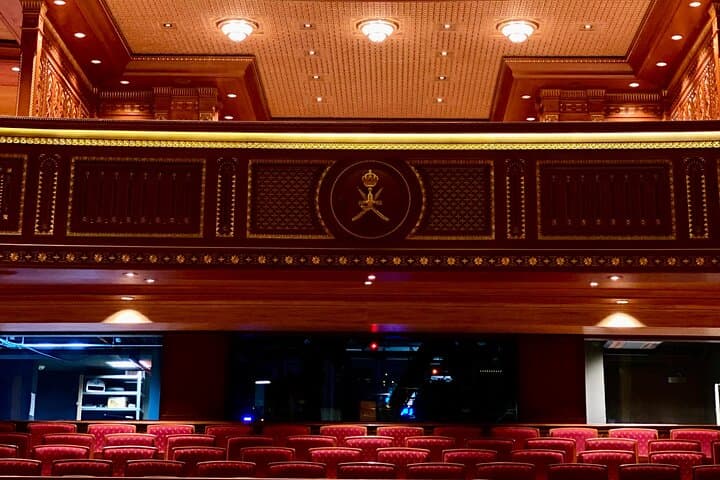
Muscat’s story is layered — a trading port shaped by the Al Hajar foothills, centuries of frankincense caravans, and 16th-century Portuguese bastions that still mark the shoreline. Culture is tactile here: the Royal Opera House speaks to Sultan Qaboos’s modernizing era, Mutrah Souq spills spices and silver from stall-fronts, and Bait Al Zubair frames domestic life through traditional dress and weaponry. Geology is close at hand too — scrubbed limestone outcrops, narrow wadis, and a coastline where the sea pushes and pulls its own rhythms.
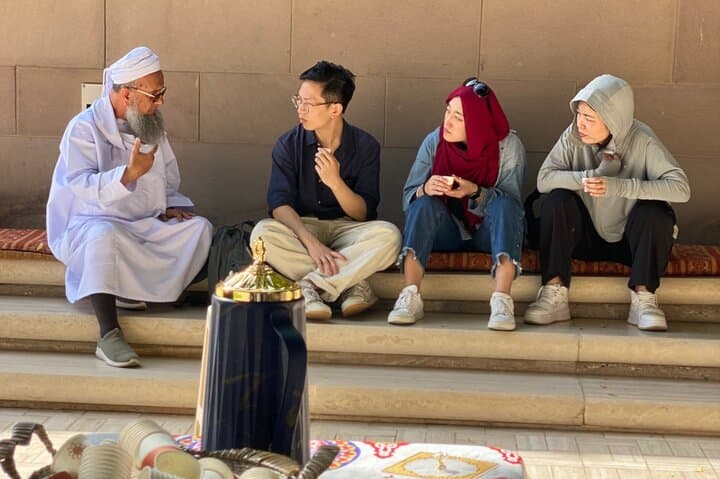
Practically, the itinerary covers six hours with short walks at markets and viewpoints, 30–60 minute visits at major stops, and a recommended mosque window between 8–11am (closed to visitors on Friday mornings). Dress modestly at religious sites (women: scarf and full-length dress; men: avoid shorts). The tour includes private vehicle pickup and bottled water; food at Bait Al Luban is optional — try the smoked Shewa. Expect easy walking on paved streets, some uneven stone at old forts, and plenty of photo stops.
Timing matters: mornings or late afternoons give cooler air and softer light. Bring sun protection, comfortable shoes, and local currency for market purchases; let your guide steer you toward reputable frankincense and silver vendors.
easy.
6 hours.
Suitable for most fitness levels; requires short periods of walking and some standing at markets and viewpoints
Yes — the tour includes pickup and drop-off around Muscat; specify your pickup point when booking.
Most stops are viewing visits; admissions to paid venues (if any) are typically not included—confirm with your operator.
Women should wear a scarf and full-length dress; men should avoid shorts; modest attire is requested for all visitors.
The tour is listed wheelchair accessible for vehicle transport and many viewpoints, but some historic sites have uneven stone and limited ramp access.
Muscat’s harbor and Portuguese forts reflect 16th-century colonial contest, while modern landmarks like the Royal Opera House and Sultan Qaboos Mosque illustrate Oman’s 20th-century nation-building.
Coastal and mangrove habitats are fragile—avoid disturbing wildlife, limit plastic waste, and look for sustainably harvested frankincense and locally made souvenirs.
Oman Compass Tours operates guided outdoor trips and adventures with an emphasis on safety, stewardship, and memorable experiences.

Morning light slides across the Gulf of Oman as your guide maneuvers through Muscat’s low-lying hills and coastal ribbon of white buildings. The day begins at Sultan Qaboos Grand Mosque, where marble columns and an expansive prayer hall give scale to modern Omani identity; later you stand above the harbor watching the historic Portuguese forts keep silent watch over the water.
Morning light slides across the Gulf of Oman as your guide maneuvers through Muscat’s low-lying hills and coastal ribbon of white buildings. The day begins at Sultan Qaboos Grand Mosque, where marble columns and an expansive prayer hall give scale to modern Omani identity; later you stand above the harbor watching the historic Portuguese forts keep silent watch over the water.
Muscat’s story is layered — a trading port shaped by the Al Hajar foothills, centuries of frankincense caravans, and 16th-century Portuguese bastions that still mark the shoreline. Culture is tactile here: the Royal Opera House speaks to Sultan Qaboos’s modernizing era, Mutrah Souq spills spices and silver from stall-fronts, and Bait Al Zubair frames domestic life through traditional dress and weaponry. Geology is close at hand too — scrubbed limestone outcrops, narrow wadis, and a coastline where the sea pushes and pulls its own rhythms.
Practically, the itinerary covers six hours with short walks at markets and viewpoints, 30–60 minute visits at major stops, and a recommended mosque window between 8–11am (closed to visitors on Friday mornings). Dress modestly at religious sites (women: scarf and full-length dress; men: avoid shorts). The tour includes private vehicle pickup and bottled water; food at Bait Al Luban is optional — try the smoked Shewa. Expect easy walking on paved streets, some uneven stone at old forts, and plenty of photo stops.
Timing matters: mornings or late afternoons give cooler air and softer light. Bring sun protection, comfortable shoes, and local currency for market purchases; let your guide steer you toward reputable frankincense and silver vendors.