THE ADVENTURE COLLECTIVE® · Independent discovery and booking for outdoor travel

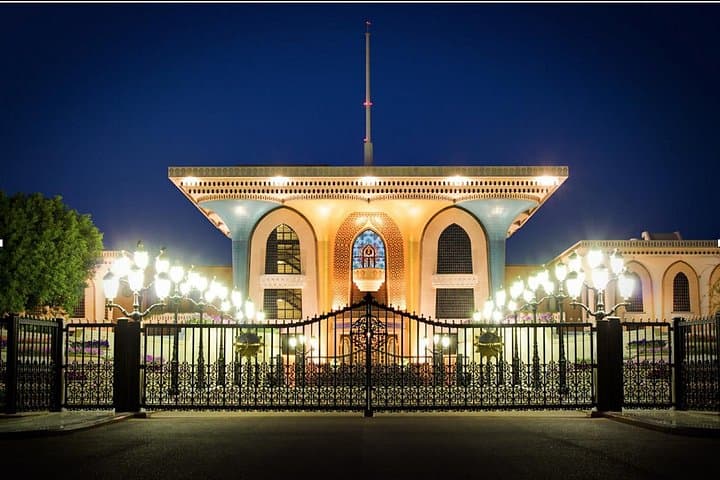
See Muscat after dark with a private driver-guide: illuminated mosque domes, the winding Muttrah Souq and Al Alam Palace from its fort-studded vantage. This four-hour evening tour blends short walks and drives to showcase the capital’s maritime history and night atmosphere.
See Muscat after dark with a private driver-guide: illuminated mosque domes, the winding Muttrah Souq and Al Alam Palace from its fort-studded vantage. This four-hour evening tour blends short walks and drives to showcase the capital’s maritime history and night atmosphere.
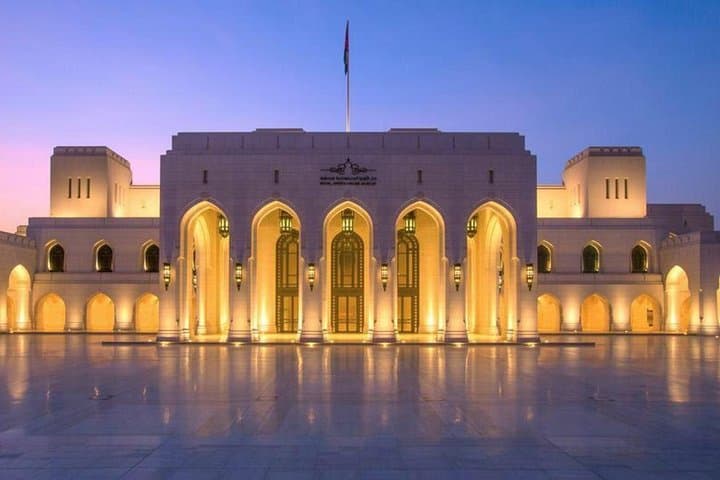
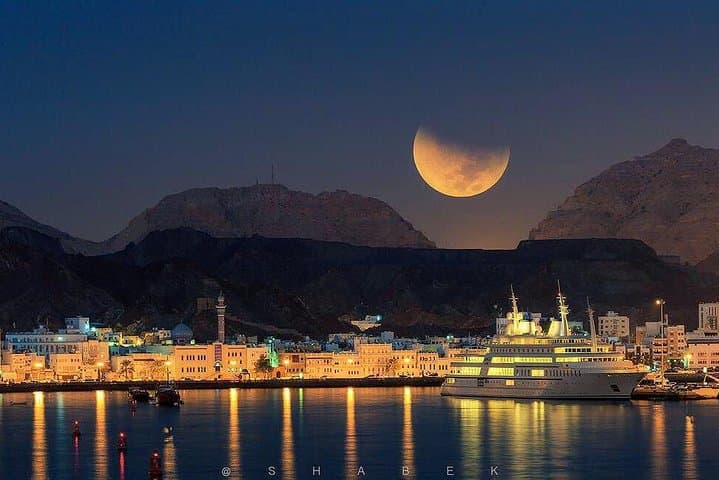
The city exhales as dusk falls over the Gulf of Oman: lamps along the Muttrah Corniche wink on, the sea nudges the promenade, and the domes of the Sultan Qaboos Grand Mosque glow against the low Hajar foothills. A private driver-guide moves a small group between illuminated waterfronts, market alleys and ceremonial facades, balancing short walks with air-conditioned drives so the evening breathes easy.
Verified experiences and guided adventures in the surrounding area.
Operated by ALISMAILI TRAVEL & TOURISM · Muscat, Muscat Governorate
The city exhales as dusk falls over the Gulf of Oman: lamps along the Muttrah Corniche wink on, the sea nudges the promenade, and the domes of the Sultan Qaboos Grand Mosque glow against the low Hajar foothills. A private driver-guide moves a small group between illuminated waterfronts, market alleys and ceremonial facades, balancing short walks with air-conditioned drives so the evening breathes easy.
Muscat’s core grew at the intersection of maritime trade routes and local mountain valleys — a working harbor where frankincense caravans and Portuguese forts once shaped streets. The tour frames that history: the mosque’s mosaic surfaces and strict visiting windows, the labyrinth of Muttrah Souq where spices and silver trace centuries of commerce, and Al Alam Palace seen from its fort-ringed ridge, a living piece of Omani ceremonial architecture.
Geology is visible in the city’s seams: folded limestone and volcanic outcrops press close to the shoreline, creating compact neighborhoods and lookout points. Culturally, expect warm hospitality and modest dress; the night rhythm slows for prayer times and quick evening meals at local restaurants.
Practical guidance: the itinerary is four hours with roughly 1–2 miles of walking on paved surfaces, low elevation change, and timed stops for photos and shopping. Visitors should carry bottled water, small bills for souq purchases, and a modest outfit for exterior mosque viewing—interior access is limited to morning hours. Evening timing minimizes daytime heat and offers the clearest night views of Muscat’s waterfront and palace lights.
easy.
4 hours.
Suitable for most fitness levels; involves short stretches of walking on paved surfaces and some standing.
No; the mosque’s public visiting hours are typically mornings (e.g., 8–11 AM), so the night tour views the mosque’s illuminated exterior only.
Yes; the itinerary notes stroller and wheelchair accessibility with vehicle transfers between stops, but confirm specific pickup logistics when booking.
No; shopping is at your discretion—bring cash for bargaining and smaller transactions; credit cards are not always accepted in smaller stalls.
The guide will schedule stops around prayer times; some shops and public buildings may briefly close, and respectful behavior is expected near mosques.
Muscat developed as a strategic port on Arabian trade routes; Portuguese occupation in the 16th–17th centuries and the frankincense trade shaped its architecture and markets.
Touring at night reduces daytime heat stress on visitors, but support local vendors and avoid single-use plastics when possible to minimize footprint.
ALISMAILI TRAVEL & TOURISM operates guided outdoor trips and adventures with an emphasis on safety, stewardship, and memorable experiences.
The city exhales as dusk falls over the Gulf of Oman: lamps along the Muttrah Corniche wink on, the sea nudges the promenade, and the domes of the Sultan Qaboos Grand Mosque glow against the low Hajar foothills. A private driver-guide moves a small group between illuminated waterfronts, market alleys and ceremonial facades, balancing short walks with air-conditioned drives so the evening breathes easy.
The city exhales as dusk falls over the Gulf of Oman: lamps along the Muttrah Corniche wink on, the sea nudges the promenade, and the domes of the Sultan Qaboos Grand Mosque glow against the low Hajar foothills. A private driver-guide moves a small group between illuminated waterfronts, market alleys and ceremonial facades, balancing short walks with air-conditioned drives so the evening breathes easy.
Muscat’s core grew at the intersection of maritime trade routes and local mountain valleys — a working harbor where frankincense caravans and Portuguese forts once shaped streets. The tour frames that history: the mosque’s mosaic surfaces and strict visiting windows, the labyrinth of Muttrah Souq where spices and silver trace centuries of commerce, and Al Alam Palace seen from its fort-ringed ridge, a living piece of Omani ceremonial architecture.
Geology is visible in the city’s seams: folded limestone and volcanic outcrops press close to the shoreline, creating compact neighborhoods and lookout points. Culturally, expect warm hospitality and modest dress; the night rhythm slows for prayer times and quick evening meals at local restaurants.
Practical guidance: the itinerary is four hours with roughly 1–2 miles of walking on paved surfaces, low elevation change, and timed stops for photos and shopping. Visitors should carry bottled water, small bills for souq purchases, and a modest outfit for exterior mosque viewing—interior access is limited to morning hours. Evening timing minimizes daytime heat and offers the clearest night views of Muscat’s waterfront and palace lights.