THE ADVENTURE COLLECTIVE® · Independent discovery and booking for outdoor travel

Head out from Muscat for two-hour boat trips that commonly encounter spinner, bottlenose, and common dolphins. Tours emphasize responsible viewing, and May–October brings a chance to see whale sharks alongside the resident dolphins.
Head out from Muscat for two-hour boat trips that commonly encounter spinner, bottlenose, and common dolphins. Tours emphasize responsible viewing, and May–October brings a chance to see whale sharks alongside the resident dolphins.
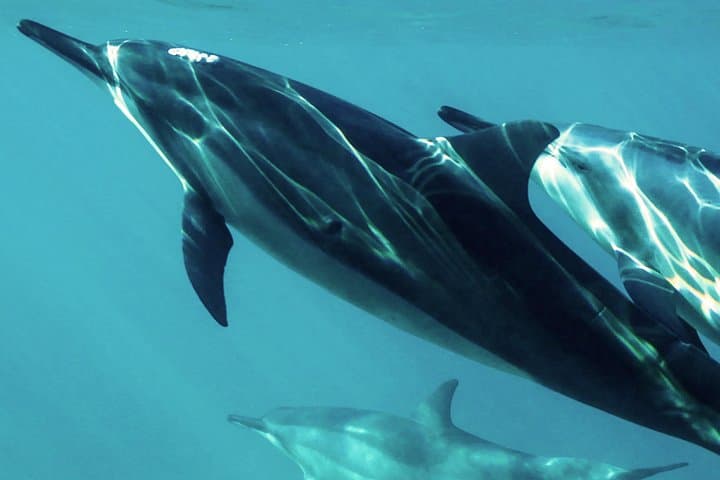
Early light fractures across the Gulf of Oman as the harbor slips behind you and the boat noses into open water. Salt stings the air, the horizon is broad, and soon a curved fin breaks the surface — a spinner dolphin launching into a flat arc as if testing the morning. The rhythm of bow waves and dolphin whistles becomes the day’s metronome.
Verified experiences and guided adventures in the surrounding area.
Operated by QTours.om · Muscat, Muscat
Early light fractures across the Gulf of Oman as the harbor slips behind you and the boat noses into open water. Salt stings the air, the horizon is broad, and soon a curved fin breaks the surface — a spinner dolphin launching into a flat arc as if testing the morning. The rhythm of bow waves and dolphin whistles becomes the day’s metronome.
Oman’s coastline owes its marine productivity to seasonal upwellings of cold water from the Arabian Sea; nutrients feed plankton, corals thrive, and with them a food chain that draws dolphins, whale sharks (May–October), and the occasional larger whale. Muscat’s fishing and seafaring culture stretches centuries — dhows once threaded trade routes from Musandam to Dhofar — and today small fleets operate respectful wildlife excursions from the city’s marinas.
Expect close but non-invasive encounters: spinner, bottlenose, and common dolphins are the likeliest stars; false killer whales and occasional humpbacks appear less often. Tours run about two hours, usually from sheltered harbors with modern safety gear and soft drinks included.
Practical tips: go early for calmer seas and cooler temperatures, bring sun protection and binoculars, and consider motion-sickness remedies if you’re prone to seasickness. Guides will brief you on safe viewing distances — resist the urge to approach or feed animals. Photography works best with a mid-telephoto lens and a fast shutter to freeze motion.
This is accessible wildlife viewing with high seasonal variety and a strong emphasis on responsible practices. Arrive informed, keep to the rules, and you’ll likely leave with a memory of acrobatic dolphins and a clearer sense of Oman’s rich marine life.
easy.
2 hours.
Suitable for most fitness levels; you should be able to board a small boat and stand or sit for the duration.
Dolphins are commonly seen year-round, but mornings and calmer weather increase sighting chances; whale sharks are most often reported May–October.
Yes—many operators provide lifejackets and have wheelchair-accessible options, but check the specific vessel’s boarding requirements in advance.
No—responsible operators do not allow swimming with wild dolphins; the focus is on passive observation to protect animal welfare.
Sit mid-boat, focus on the horizon, get fresh air, and use pre-taken motion-sickness medication or wrist bands as needed.
Muscat’s maritime history links centuries of dhow trade and coastal fishing; modern tours continue a seafaring tradition while shifting toward conservation-minded travel.
Operators in the area increasingly follow codes of conduct—keeping distance, limiting approaches, and avoiding feeds—to minimize disturbance to marine animals and protect coral habitats.
QTours.om operates guided outdoor trips and adventures with an emphasis on safety, stewardship, and memorable experiences.
Early light fractures across the Gulf of Oman as the harbor slips behind you and the boat noses into open water. Salt stings the air, the horizon is broad, and soon a curved fin breaks the surface — a spinner dolphin launching into a flat arc as if testing the morning. The rhythm of bow waves and dolphin whistles becomes the day’s metronome.
Early light fractures across the Gulf of Oman as the harbor slips behind you and the boat noses into open water. Salt stings the air, the horizon is broad, and soon a curved fin breaks the surface — a spinner dolphin launching into a flat arc as if testing the morning. The rhythm of bow waves and dolphin whistles becomes the day’s metronome.
Oman’s coastline owes its marine productivity to seasonal upwellings of cold water from the Arabian Sea; nutrients feed plankton, corals thrive, and with them a food chain that draws dolphins, whale sharks (May–October), and the occasional larger whale. Muscat’s fishing and seafaring culture stretches centuries — dhows once threaded trade routes from Musandam to Dhofar — and today small fleets operate respectful wildlife excursions from the city’s marinas.
Expect close but non-invasive encounters: spinner, bottlenose, and common dolphins are the likeliest stars; false killer whales and occasional humpbacks appear less often. Tours run about two hours, usually from sheltered harbors with modern safety gear and soft drinks included.
Practical tips: go early for calmer seas and cooler temperatures, bring sun protection and binoculars, and consider motion-sickness remedies if you’re prone to seasickness. Guides will brief you on safe viewing distances — resist the urge to approach or feed animals. Photography works best with a mid-telephoto lens and a fast shutter to freeze motion.
This is accessible wildlife viewing with high seasonal variety and a strong emphasis on responsible practices. Arrive informed, keep to the rules, and you’ll likely leave with a memory of acrobatic dolphins and a clearer sense of Oman’s rich marine life.