THE ADVENTURE COLLECTIVE® · Independent discovery and booking for outdoor travel

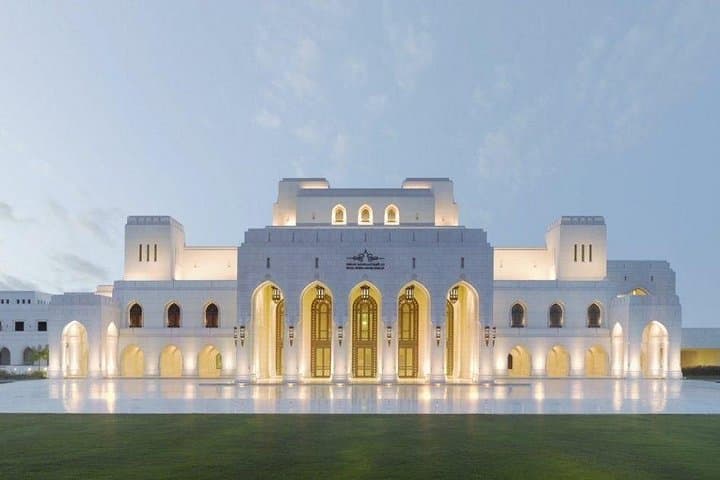
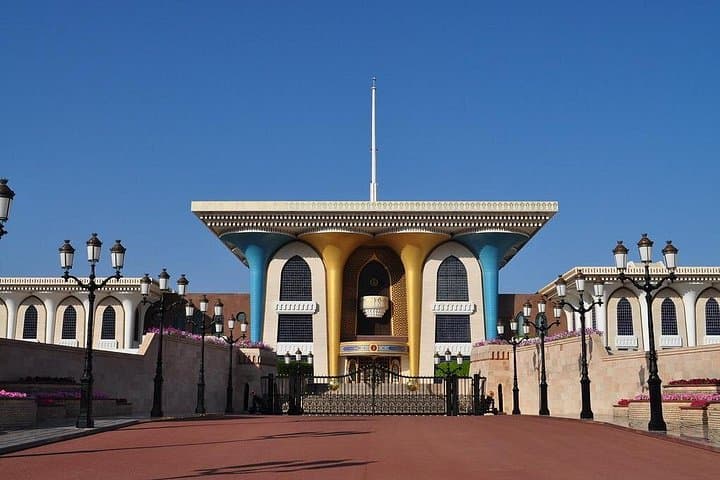
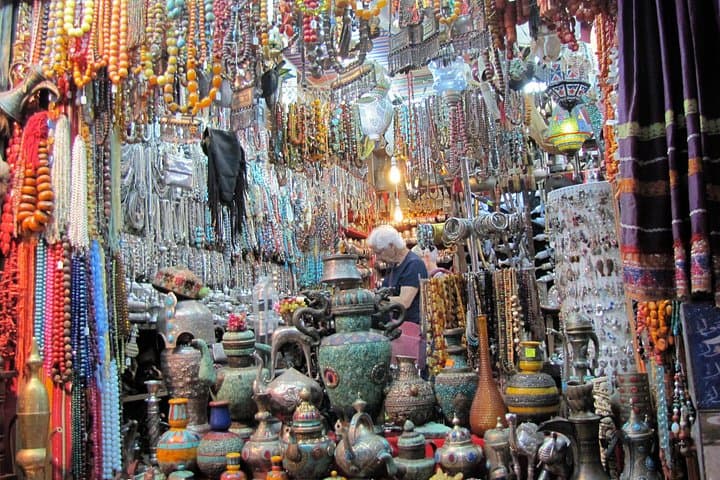
Spend a half-day exploring Muscat’s essential cultural sites: the Royal Opera House, Sultan Qaboos Grand Mosque, Al Alam Palace and the bustling Mutrah Souq. This private tour pairs easy walking with flexible photo stops and local snacks.
Spend a half-day exploring Muscat’s essential cultural sites: the Royal Opera House, Sultan Qaboos Grand Mosque, Al Alam Palace and the bustling Mutrah Souq. This private tour pairs easy walking with flexible photo stops and local snacks.
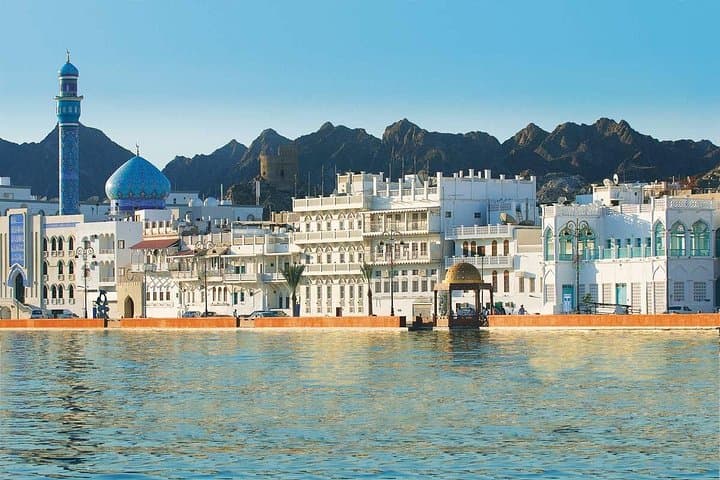
Morning light skims the white marble of Sultan Qaboos Grand Mosque as your private car winds down toward the sea. The corniche hums with fishermen, and the air carries the resinous breath of frankincense from Mutrah Souq; the city feels like a patient host, showing its best rooms.
Verified experiences and guided adventures in the surrounding area.
Operated by ALISMAILI TRAVEL & TOURISM · Muscat, Muscat Governorate
Morning light skims the white marble of Sultan Qaboos Grand Mosque as your private car winds down toward the sea. The corniche hums with fishermen, and the air carries the resinous breath of frankincense from Mutrah Souq; the city feels like a patient host, showing its best rooms.
This compact day trip threads together Muscat’s recent and older history: the modern elegance of the Royal Opera House, the 2001-born grandeur of the Grand Mosque, the ceremonial facade of Al Alam Palace, and the market lanes where Oman’s maritime trade once made fortunes. Geologically, Muscat sits between the rocky Hajar foothills and the Arabian Sea; the forts of Al Jalali and Al Mirani perch on black volcanic outcrops left by ancient uplift.
Culturally, expect respectful formality—modest dress at religious sites, shoe removal at mosque entrances, and lively bargaining at the souq where frankincense, pashminas, and silverware crowd narrow alleys. Local drivers often stop for photos at lookout points, which is one of the perks of a private tour.
Practical guidance: start in the morning for cooler conditions and to visit the mosque when it's open to visitors, or late afternoon to catch golden light at Mutrah Corniche. Wear closed-toe walking shoes for uneven bazaar steps, carry a refillable water bottle, and keep a lightweight wrap for mosque visits. Allow 4–4.5 hours for a relaxed pace, and confirm wheelchair access or special requests when booking.
easy.
4–4.5 hours.
Suitable for most fitness levels; involves short periods of walking and standing with occasional steps.
The Royal Opera House hosts events and may allow exterior visits; the Sultan Qaboos Grand Mosque is open to non-Muslim visitors during set hours—check opening times in advance and observe dress rules.
Snacks and bottled water are included, but a full lunch is typically not—plan a stop at a café or seaside restaurant if you want a meal.
The itinerary notes wheelchair and stroller accessibility for transportation and many sites, but confirm specifics (ramps, toilet access) with the operator before booking.
Photographs are generally allowed in public mosque areas and the souq, but avoid photographing people without permission and respect signs restricting photography in certain rooms.
Muscat’s strategic location made it a trading hub for frankincense and a target for Portuguese fortification in the 16th–17th centuries; the city’s forts reflect that maritime past.
Oman emphasizes preservation of historic sites and marine habitats—avoid littering in the souq and along the corniche and opt for refillable bottles to reduce single-use plastic.
ALISMAILI TRAVEL & TOURISM operates guided outdoor trips and adventures with an emphasis on safety, stewardship, and memorable experiences.
Morning light skims the white marble of Sultan Qaboos Grand Mosque as your private car winds down toward the sea. The corniche hums with fishermen, and the air carries the resinous breath of frankincense from Mutrah Souq; the city feels like a patient host, showing its best rooms.
Morning light skims the white marble of Sultan Qaboos Grand Mosque as your private car winds down toward the sea. The corniche hums with fishermen, and the air carries the resinous breath of frankincense from Mutrah Souq; the city feels like a patient host, showing its best rooms.
This compact day trip threads together Muscat’s recent and older history: the modern elegance of the Royal Opera House, the 2001-born grandeur of the Grand Mosque, the ceremonial facade of Al Alam Palace, and the market lanes where Oman’s maritime trade once made fortunes. Geologically, Muscat sits between the rocky Hajar foothills and the Arabian Sea; the forts of Al Jalali and Al Mirani perch on black volcanic outcrops left by ancient uplift.
Culturally, expect respectful formality—modest dress at religious sites, shoe removal at mosque entrances, and lively bargaining at the souq where frankincense, pashminas, and silverware crowd narrow alleys. Local drivers often stop for photos at lookout points, which is one of the perks of a private tour.
Practical guidance: start in the morning for cooler conditions and to visit the mosque when it's open to visitors, or late afternoon to catch golden light at Mutrah Corniche. Wear closed-toe walking shoes for uneven bazaar steps, carry a refillable water bottle, and keep a lightweight wrap for mosque visits. Allow 4–4.5 hours for a relaxed pace, and confirm wheelchair access or special requests when booking.