THE ADVENTURE COLLECTIVE® · Independent discovery and booking for outdoor travel

A compact, four-hour private loop through Muscat’s highlights — the Sultan Qaboos Grand Mosque, Mutrah Fish Market and Souq, Bait Al Zubair Museum, and photo stops at Al Alam Palace and harbor forts. Ideal for first-time visitors seeking accessible cultural immersion.
A compact, four-hour private loop through Muscat’s highlights — the Sultan Qaboos Grand Mosque, Mutrah Fish Market and Souq, Bait Al Zubair Museum, and photo stops at Al Alam Palace and harbor forts. Ideal for first-time visitors seeking accessible cultural immersion.
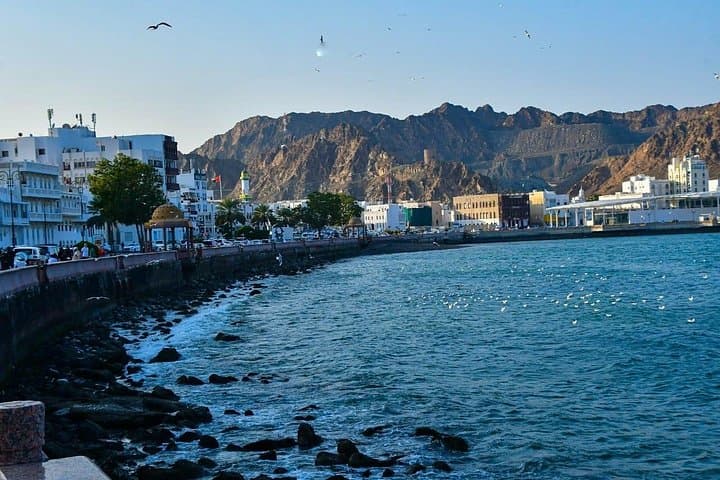
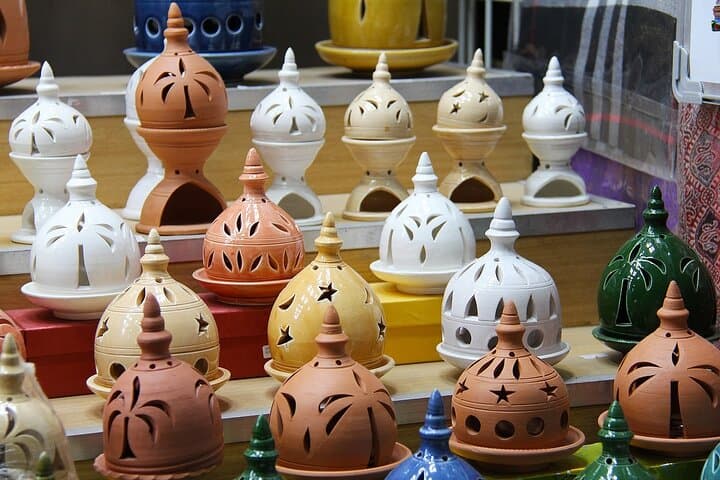
Morning light washes across Muscat’s harbor as the air-conditioner hums and the driver eases the vehicle toward the Grand Mosque. The city’s stone facades and sea-battered forts appear in succession — each stop a short walk from the curb, each with its own rhythm: the hush of prayer at the mosque, the rattle of fish crates on the Corniche, and the fragrant push of frankincense through the lanes of Mutrah Souq.
Verified experiences and guided adventures in the surrounding area.
Operated by Marhaba Dhofar · Muscat, Muscat Governorate
Morning light washes across Muscat’s harbor as the air-conditioner hums and the driver eases the vehicle toward the Grand Mosque. The city’s stone facades and sea-battered forts appear in succession — each stop a short walk from the curb, each with its own rhythm: the hush of prayer at the mosque, the rattle of fish crates on the Corniche, and the fragrant push of frankincense through the lanes of Mutrah Souq.
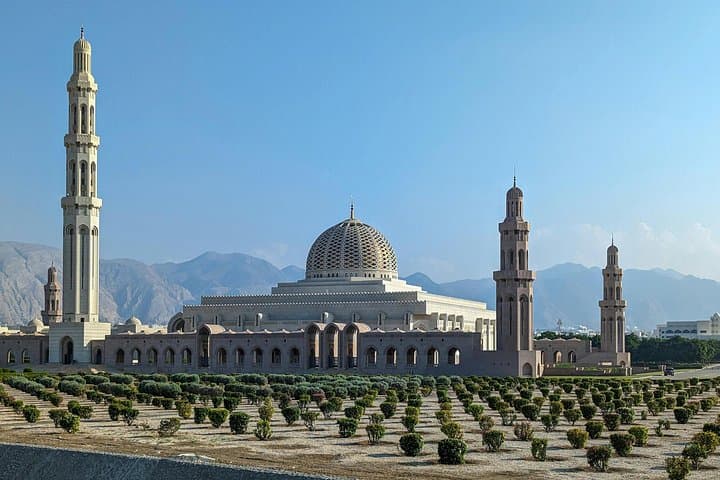
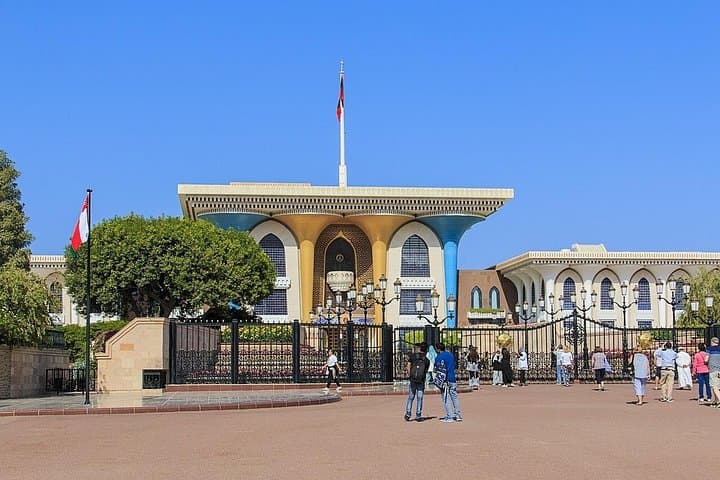
This four-hour, private loop highlights Muscat’s living history. The Sultan Qaboos Grand Mosque, completed in 2001, combines modern engineering with traditional Islamic ornament — a vast handwoven carpet and Swarovski chandeliers give scale to its calm. Mutrah’s souq and fish market illustrate Muscat’s maritime roots; traders and seafarers have shaped the city for centuries. Bait Al Zubair houses tribal costumes and weapons that trace Omani society from coastal trade to inland settlements, while the Al Alam Palace and adjacent 16th-century Jalali and Mirani forts speak to Muscat’s strategic role on the Arabian Sea.
Expect mostly paved surfaces and short, easy walks between sites; elevation changes are minimal but sun exposure is constant. Practical notes: dress modestly for the mosque (women cover head and shoulders; long sleeves and long trousers/skirts for all visitors), bring sun protection, and carry water even though bottled water is provided. Mornings are cooler and less crowded; Friday mornings and national holidays affect mosque access. Photography is welcome at public sites but observe signs and local customs around worship and private property.
This tour suits those wanting a compact, accessible introduction to Omani culture, architecture, and coastal life without strenuous hiking or long transfers.
easy.
4 hours.
Suitable for all fitness levels; involves short, flat walks and standing during visits.
The mosque is generally open to non-worshippers from 08:00–11:00 daily except Friday and local public holidays; always confirm locally before visiting.
The tour notes wheelchair accessibility for transport and main surfaces, but some traditional souq lanes and fort viewpoints include steps — check specific access on booking.
Photography is allowed in many public areas but avoid photographing worshippers and follow signage; the Al Alam Palace exterior is a photo stop only.
This private tour includes an air-conditioned vehicle and driver; confirm pickup details and any airport transfer needs when booking.
Muscat’s harbor has been a strategic Arabian Sea port since at least the 1st millennium CE, with forts rebuilt by Portuguese and Omani rulers in the 16th–18th centuries.
Coastal development and tourism put pressure on marine habitats and historic urban fabric; stick to marked paths, avoid littering, and support local guides and craftspeople to help preserve cultural sites.
Marhaba Dhofar operates guided outdoor trips and adventures with an emphasis on safety, stewardship, and memorable experiences.
Morning light washes across Muscat’s harbor as the air-conditioner hums and the driver eases the vehicle toward the Grand Mosque. The city’s stone facades and sea-battered forts appear in succession — each stop a short walk from the curb, each with its own rhythm: the hush of prayer at the mosque, the rattle of fish crates on the Corniche, and the fragrant push of frankincense through the lanes of Mutrah Souq.
Morning light washes across Muscat’s harbor as the air-conditioner hums and the driver eases the vehicle toward the Grand Mosque. The city’s stone facades and sea-battered forts appear in succession — each stop a short walk from the curb, each with its own rhythm: the hush of prayer at the mosque, the rattle of fish crates on the Corniche, and the fragrant push of frankincense through the lanes of Mutrah Souq.
This four-hour, private loop highlights Muscat’s living history. The Sultan Qaboos Grand Mosque, completed in 2001, combines modern engineering with traditional Islamic ornament — a vast handwoven carpet and Swarovski chandeliers give scale to its calm. Mutrah’s souq and fish market illustrate Muscat’s maritime roots; traders and seafarers have shaped the city for centuries. Bait Al Zubair houses tribal costumes and weapons that trace Omani society from coastal trade to inland settlements, while the Al Alam Palace and adjacent 16th-century Jalali and Mirani forts speak to Muscat’s strategic role on the Arabian Sea.
Expect mostly paved surfaces and short, easy walks between sites; elevation changes are minimal but sun exposure is constant. Practical notes: dress modestly for the mosque (women cover head and shoulders; long sleeves and long trousers/skirts for all visitors), bring sun protection, and carry water even though bottled water is provided. Mornings are cooler and less crowded; Friday mornings and national holidays affect mosque access. Photography is welcome at public sites but observe signs and local customs around worship and private property.
This tour suits those wanting a compact, accessible introduction to Omani culture, architecture, and coastal life without strenuous hiking or long transfers.