THE ADVENTURE COLLECTIVE® · Independent discovery and booking for outdoor travel

Explore Muscat’s major cultural sites in a compact, guided format: the Sultan Qaboos Grand Mosque, the labyrinthine Muttrah Souq and the Royal Opera House, with local insights and lunch included.
Explore Muscat’s major cultural sites in a compact, guided format: the Sultan Qaboos Grand Mosque, the labyrinthine Muttrah Souq and the Royal Opera House, with local insights and lunch included.
The morning light hits Muscat’s pale limestone facades and the sea pushes toward the corniche as your small group steps from an air-conditioned van into a city that still carries the cadence of seafaring trade.
Verified experiences and guided adventures in the surrounding area.
Operated by Yousuf Almaqbali · Muscat, Muscat Governorate
The morning light hits Muscat’s pale limestone facades and the sea pushes toward the corniche as your small group steps from an air-conditioned van into a city that still carries the cadence of seafaring trade.
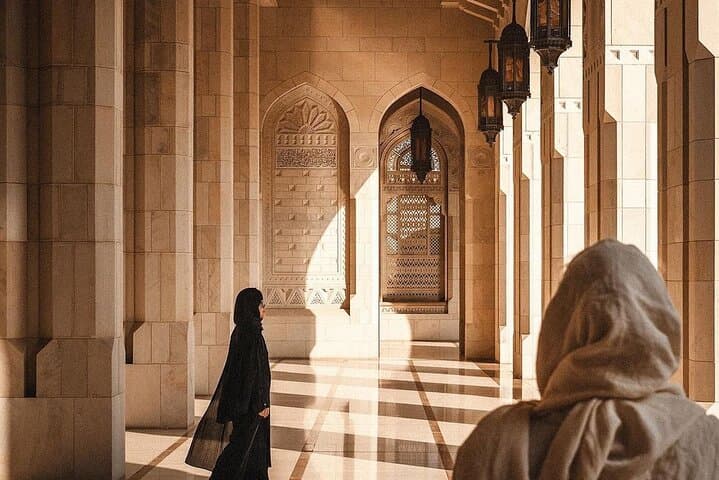
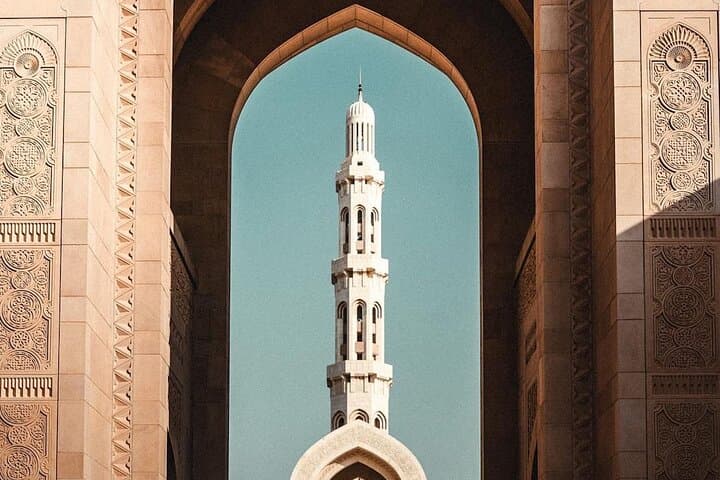
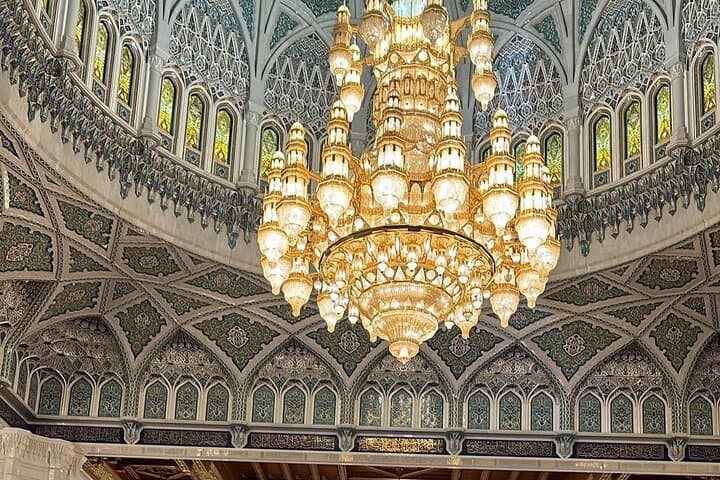
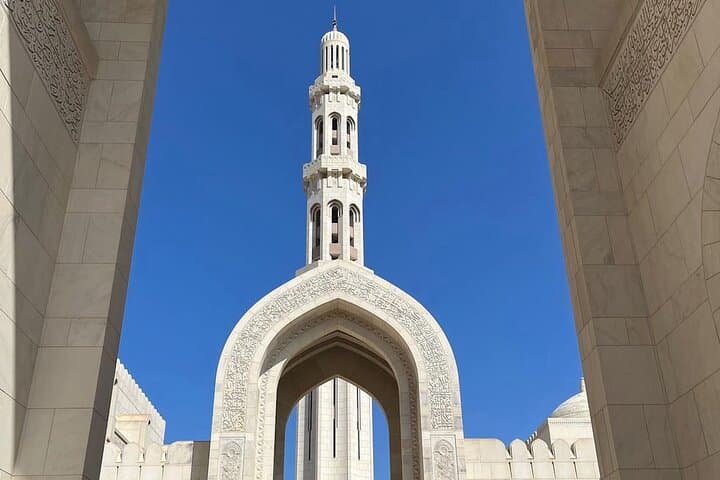
Begin at the Sultan Qaboos Grand Mosque, where modern Islamic design meets scale—marble courtyards, a cavernous prayer hall and one of the largest Persian carpets invite a quiet, measured pace. From there the tour threads to Muttrah Souq: narrow alleys, spice and perfume stalls, and vendors who will offer dates and local banter. The Royal Opera House introduces another layer—Oman’s late-20th-century push to place Muscat on the cultural map with world-class acoustics and ornate interiors.
Muscat’s geography—rocky ridges pressing to the sea—shaped its history as an entrepôt between Arabia, Africa and India. Forts like Jalali and Mirani guard the harbor and hint at centuries of maritime defense and diplomacy. The city’s contemporary identity balances preservation of heritage with modern infrastructure and hospitality.
Practically, this is a low-impact, urban walking tour with short strolls between sites and a seated lunch included. Expect modest dress at religious sites (shoulders and knees covered), intermittent sun and short windows for photography at each stop. Bring water, a hat and comfortable shoes; plan pickup logistics ahead of time. With small groups and local guides, the tour is both an introduction to Muscat’s key sights and a useful orientation for independent exploration afterward.
easy.
4 hours.
Suitable for most fitness levels—light walking and standing at attractions
Yes; the itinerary includes a stop at the mosque and allows time to view the main prayer hall and courtyards, subject to visiting hours and religious holidays.
The tour includes lunch; notify the operator of dietary restrictions at booking so they can accommodate when possible.
The tour notes wheelchair-accessible transport and surfaces, but confirm specific mobility needs at booking to arrange assistance or alternative routing.
Bargaining is common and expected for many goods; start lower than the asking price and be polite—small purchases often take friendly negotiation.
Muscat grew as a strategic port linking the Arabian Peninsula with Africa and South Asia; its forts and trading quarters reflect centuries of maritime commerce and diplomacy.
Water is scarce in Oman—use refills rather than single-use bottles and respect cultural sites by following dress codes, staying on paths and avoiding littering.
Yousuf Almaqbali operates guided outdoor trips and adventures with an emphasis on safety, stewardship, and memorable experiences.
The morning light hits Muscat’s pale limestone facades and the sea pushes toward the corniche as your small group steps from an air-conditioned van into a city that still carries the cadence of seafaring trade.
The morning light hits Muscat’s pale limestone facades and the sea pushes toward the corniche as your small group steps from an air-conditioned van into a city that still carries the cadence of seafaring trade.
Begin at the Sultan Qaboos Grand Mosque, where modern Islamic design meets scale—marble courtyards, a cavernous prayer hall and one of the largest Persian carpets invite a quiet, measured pace. From there the tour threads to Muttrah Souq: narrow alleys, spice and perfume stalls, and vendors who will offer dates and local banter. The Royal Opera House introduces another layer—Oman’s late-20th-century push to place Muscat on the cultural map with world-class acoustics and ornate interiors.
Muscat’s geography—rocky ridges pressing to the sea—shaped its history as an entrepôt between Arabia, Africa and India. Forts like Jalali and Mirani guard the harbor and hint at centuries of maritime defense and diplomacy. The city’s contemporary identity balances preservation of heritage with modern infrastructure and hospitality.
Practically, this is a low-impact, urban walking tour with short strolls between sites and a seated lunch included. Expect modest dress at religious sites (shoulders and knees covered), intermittent sun and short windows for photography at each stop. Bring water, a hat and comfortable shoes; plan pickup logistics ahead of time. With small groups and local guides, the tour is both an introduction to Muscat’s key sights and a useful orientation for independent exploration afterward.