THE ADVENTURE COLLECTIVE® · Independent discovery and booking for outdoor travel

Combine Muscat’s architectural and market highlights with a day of canyon pools and a secret cave swim at Wadi Shab. This private itinerary pairs cultural stops—Grand Mosque, Opera House, Muttrah Souq—with a rugged coastal hike and the photogenic Bimmah Sinkhole.
Combine Muscat’s architectural and market highlights with a day of canyon pools and a secret cave swim at Wadi Shab. This private itinerary pairs cultural stops—Grand Mosque, Opera House, Muttrah Souq—with a rugged coastal hike and the photogenic Bimmah Sinkhole.
You arrive to Muscat’s low-rise coastline as the call to prayer drifts over the harbor; salt air and the hush of limestone cliffs set the tone. The city half of the trip threads grand civic architecture with market life: the Sultan Qaboos Grand Mosque’s marble courtyards and vast prayer hall give way to the ornate wood and spice-scented alleys of Muttrah Souq. Across the harbor, Al Alam Palace and the weathered Portuguese forts of Jalali and Mirani stand guard, reminders of Oman’s maritime past and strategic position on Arabian trade routes.
Verified experiences and guided adventures in the surrounding area.
Operated by Khalid Said · Muscat, Muscat Governorate
You arrive to Muscat’s low-rise coastline as the call to prayer drifts over the harbor; salt air and the hush of limestone cliffs set the tone. The city half of the trip threads grand civic architecture with market life: the Sultan Qaboos Grand Mosque’s marble courtyards and vast prayer hall give way to the ornate wood and spice-scented alleys of Muttrah Souq. Across the harbor, Al Alam Palace and the weathered Portuguese forts of Jalali and Mirani stand guard, reminders of Oman’s maritime past and strategic position on Arabian trade routes.
On day two the landscape shifts—your driver drops you near a palm-lined inlet and a short boat ride delivers you to Wadi Shab. The hike is a mix of rocky terraces and shaded palm groves, descending to turquoise pools where a narrow swim leads into a cave and a small waterfall. Geologically, Bimmah Sinkhole (Hawiyat Najm) nearby is a collapsed limestone feature—photogenic and refreshingly cool after Oman’s inland heat.
Practical guidance: dress modestly for mosque visits (long sleeves, headscarf for women), bring sturdy closed shoes for rocky trails, and pack swimwear and a quick-dry towel for Wadi Shab. Start early to avoid midday heat, carry at least 1.5–2 liters of water, and expect uneven terrain and short swims. The tour’s private format and multilingual audio guide make it easy to balance cultural stops and active exploration—perfect for travelers seeking a compact mix of urban culture and rugged coastal adventure.
moderate.
2 days.
Expect short hikes with uneven, rocky terrain and basic swims—moderate fitness and comfort with swimming required
Yes, the mosque welcomes visitors outside prayer times but requires modest dress and separate visiting hours for men and women; check opening hours before arrival.
The route includes rocky walking, river crossings, and a short swim into a cave—suitable for moderately fit travelers comfortable with swimming and uneven ground.
Children can join, but infants must sit on laps and guardians should assess children’s swimming ability and comfort with boat rides and rocky trails.
Yes—small vendors, local snacks, and parking or entrance fees at sites like Bimmah may accept only cash; carry OMR in small denominations.
Muscat’s harbor long functioned as a key node in Arabian maritime trade; the Portuguese built Jalali and Mirani forts in the 16th century to control the strategic inlet.
Wadi pools and coastal ecosystems are sensitive—avoid soap, pack out all trash, and use reef-safe sunscreen to limit chemical runoff.
Khalid Said operates guided outdoor trips and adventures with an emphasis on safety, stewardship, and memorable experiences.
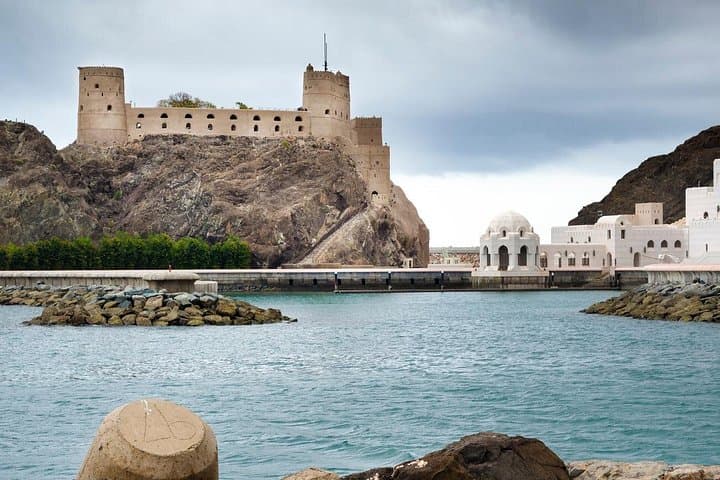
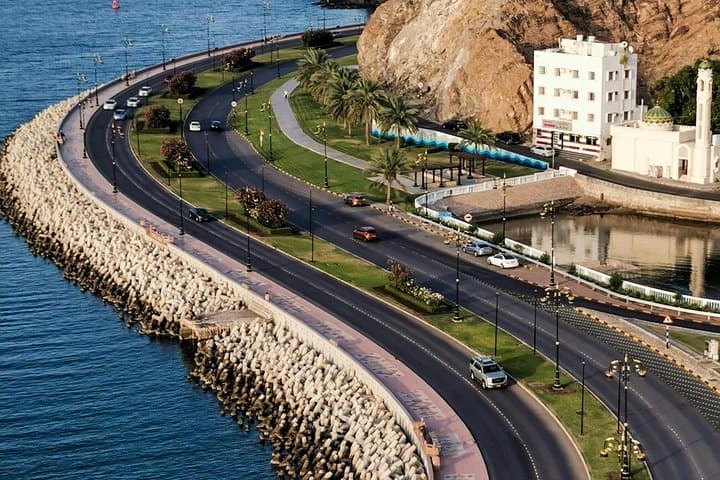
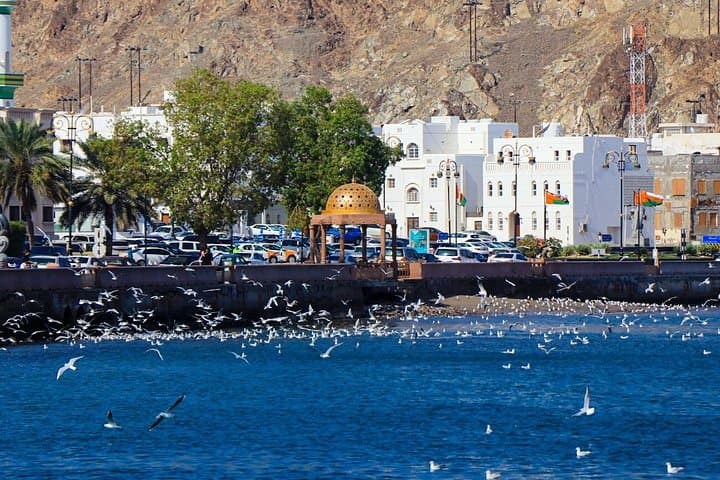
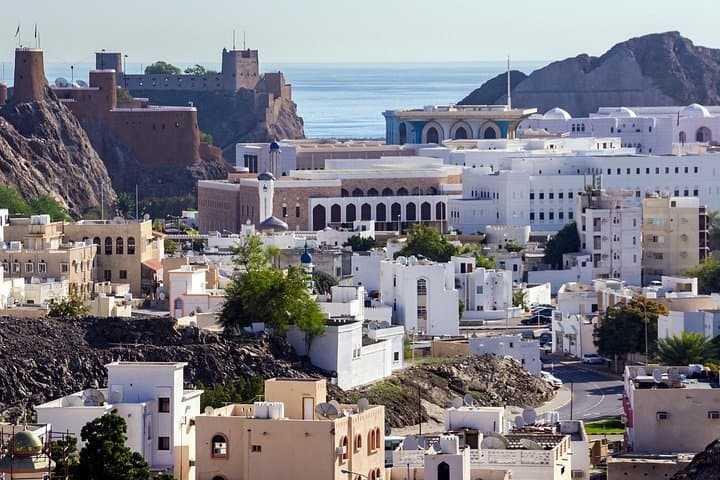
You arrive to Muscat’s low-rise coastline as the call to prayer drifts over the harbor; salt air and the hush of limestone cliffs set the tone. The city half of the trip threads grand civic architecture with market life: the Sultan Qaboos Grand Mosque’s marble courtyards and vast prayer hall give way to the ornate wood and spice-scented alleys of Muttrah Souq. Across the harbor, Al Alam Palace and the weathered Portuguese forts of Jalali and Mirani stand guard, reminders of Oman’s maritime past and strategic position on Arabian trade routes.
You arrive to Muscat’s low-rise coastline as the call to prayer drifts over the harbor; salt air and the hush of limestone cliffs set the tone. The city half of the trip threads grand civic architecture with market life: the Sultan Qaboos Grand Mosque’s marble courtyards and vast prayer hall give way to the ornate wood and spice-scented alleys of Muttrah Souq. Across the harbor, Al Alam Palace and the weathered Portuguese forts of Jalali and Mirani stand guard, reminders of Oman’s maritime past and strategic position on Arabian trade routes.
On day two the landscape shifts—your driver drops you near a palm-lined inlet and a short boat ride delivers you to Wadi Shab. The hike is a mix of rocky terraces and shaded palm groves, descending to turquoise pools where a narrow swim leads into a cave and a small waterfall. Geologically, Bimmah Sinkhole (Hawiyat Najm) nearby is a collapsed limestone feature—photogenic and refreshingly cool after Oman’s inland heat.
Practical guidance: dress modestly for mosque visits (long sleeves, headscarf for women), bring sturdy closed shoes for rocky trails, and pack swimwear and a quick-dry towel for Wadi Shab. Start early to avoid midday heat, carry at least 1.5–2 liters of water, and expect uneven terrain and short swims. The tour’s private format and multilingual audio guide make it easy to balance cultural stops and active exploration—perfect for travelers seeking a compact mix of urban culture and rugged coastal adventure.