THE ADVENTURE COLLECTIVE® · Independent discovery and booking for outdoor travel

Spend a day moving from the serene marble of Sultan Qaboos Grand Mosque to the lively alleys of Muttrah Souk, with stops at Al Alam Palace, Mirani & Jalali forts and Bait Al Zubair Museum. This practical guide prepares you for timing, dress codes and what to expect on a six‑hour private tour.
Spend a day moving from the serene marble of Sultan Qaboos Grand Mosque to the lively alleys of Muttrah Souk, with stops at Al Alam Palace, Mirani & Jalali forts and Bait Al Zubair Museum. This practical guide prepares you for timing, dress codes and what to expect on a six‑hour private tour.
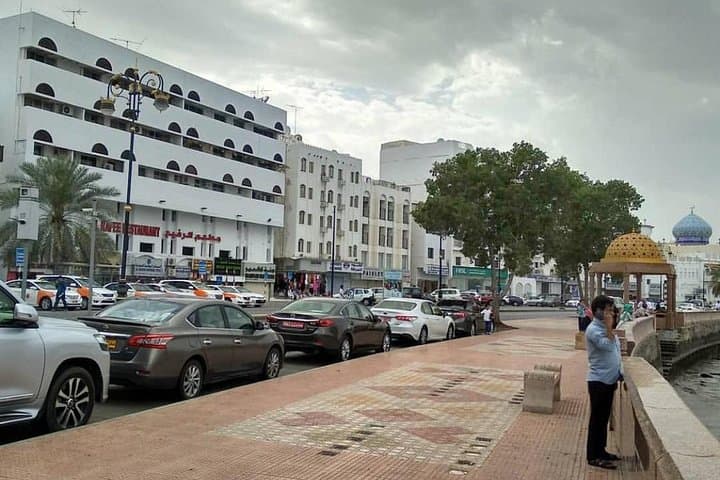
A morning in Muscat begins with the highway unfurling toward a skyline of low white buildings and the Indian Ocean pressing against the city’s shoulder. The chrome domes of Sultan Qaboos Grand Mosque catch light like polished stone as the guide pauses to outline Islamic geometry carved into marble; the sea beyond the corniche hisses, as if nudging visitors toward the old harbor.
Verified experiences and guided adventures in the surrounding area.
Operated by Muscat Advanced Tourism · Muscat, Muscat Governorate
A morning in Muscat begins with the highway unfurling toward a skyline of low white buildings and the Indian Ocean pressing against the city’s shoulder. The chrome domes of Sultan Qaboos Grand Mosque catch light like polished stone as the guide pauses to outline Islamic geometry carved into marble; the sea beyond the corniche hisses, as if nudging visitors toward the old harbor.
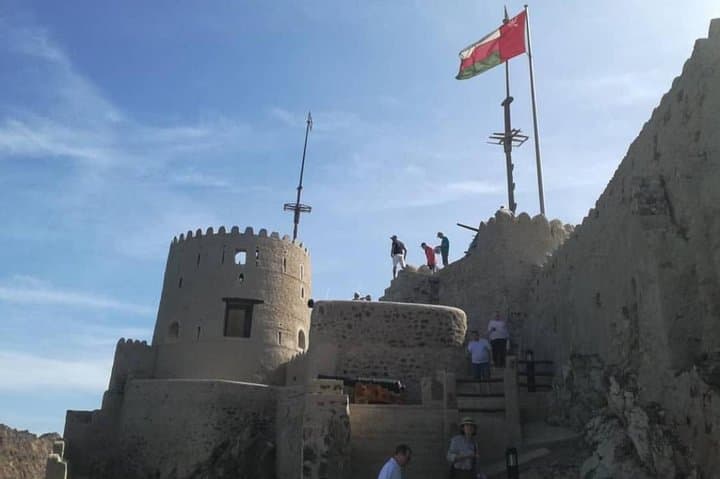
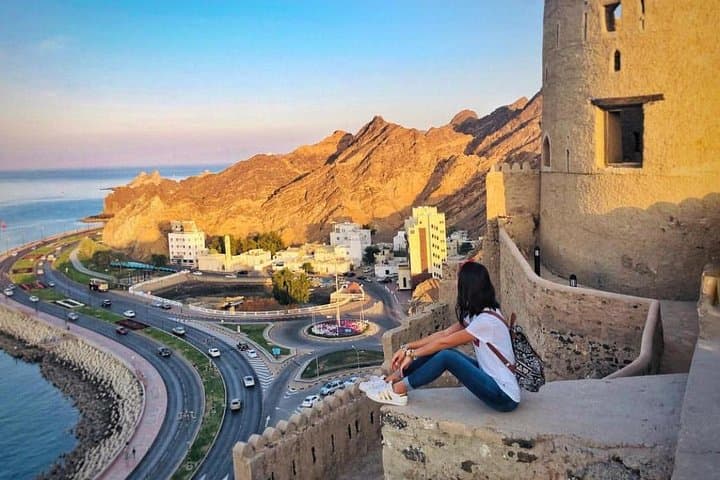
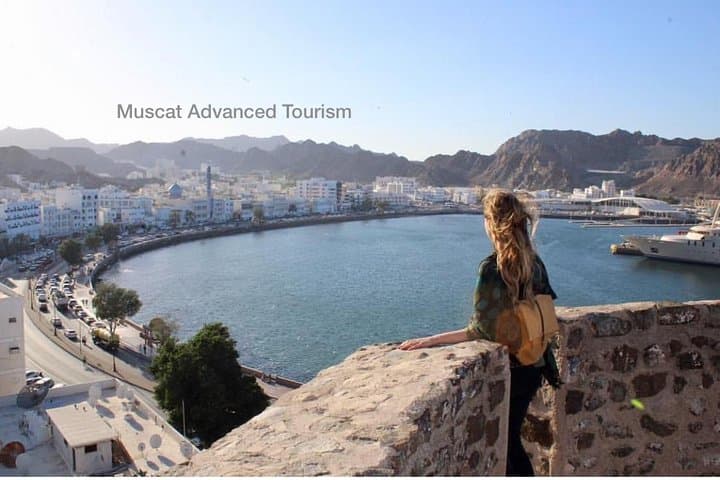
Muscat’s layers are visible: a trading port shaped by monsoon winds, Portuguese stonework from the 16th century at Mirani and Jalali forts, and modern ceremonial architecture at Al Alam Palace. Geology plays a quiet role—steep limestone outcrops define the harbor, forcing the city to grow along a narrow coastal ribbon and giving forts commanding, wind-swept perches.
Culture here is practical and ceremonial; souks still hum with bargaining over frankincense, silver and khanjar daggers, while museums like Bait Al Zubair collect everyday objects that map Omani life across centuries. The Opera House stands as a late-20th-century expression of national identity, performing both Western and Gulf repertoire.
Practical guidance: the full-day route runs about six hours by vehicle with short walks at each stop; expect flat, paved surfaces and some steps at forts and the mosque. Dress conservatively at religious sites—shoulders and knees covered; women will need a headscarf for mosque entry if required. Sun, heat and bright light are constant companions—carry water, sun protection and comfortable walking shoes. The tour is accessible for most travelers, provides bottled water, and can end at your hotel or the airport depending on your schedule.
easy.
6 hours.
Suitable for most fitness levels; involves short walks on paved surfaces and some steps at historic sites
Yes—both men and women should wear clothing that covers shoulders and knees; women may be asked to cover their hair with a scarf for entry and robes are often available at the mosque if needed.
Some sites on the itinerary include admission while others do not; confirm with the operator at booking—Bait Al Zubair and the Grand Mosque usually allow entry but special exhibits may charge.
Yes—pickups are offered from Muscat International Airport or hotels in Muscat; drop-off can also be arranged at your hotel or the airport per your schedule.
The tour lists wheelchair-accessible transportation and many paved areas are accessible, but some forts and historic sites have steps and uneven surfaces—check specifics with the operator in advance.
Muscat grew as an entrepôt on Indian Ocean trade routes and bears visible marks of Portuguese fortification from the 16th century alongside 20th‑century national architecture.
Coastal development and tourism pressure make reef and shoreline protection important—travelers should avoid touching corals and minimize plastic waste to support local conservation efforts.
Muscat Advanced Tourism operates guided outdoor trips and adventures with an emphasis on safety, stewardship, and memorable experiences.
A morning in Muscat begins with the highway unfurling toward a skyline of low white buildings and the Indian Ocean pressing against the city’s shoulder. The chrome domes of Sultan Qaboos Grand Mosque catch light like polished stone as the guide pauses to outline Islamic geometry carved into marble; the sea beyond the corniche hisses, as if nudging visitors toward the old harbor.
A morning in Muscat begins with the highway unfurling toward a skyline of low white buildings and the Indian Ocean pressing against the city’s shoulder. The chrome domes of Sultan Qaboos Grand Mosque catch light like polished stone as the guide pauses to outline Islamic geometry carved into marble; the sea beyond the corniche hisses, as if nudging visitors toward the old harbor.
Muscat’s layers are visible: a trading port shaped by monsoon winds, Portuguese stonework from the 16th century at Mirani and Jalali forts, and modern ceremonial architecture at Al Alam Palace. Geology plays a quiet role—steep limestone outcrops define the harbor, forcing the city to grow along a narrow coastal ribbon and giving forts commanding, wind-swept perches.
Culture here is practical and ceremonial; souks still hum with bargaining over frankincense, silver and khanjar daggers, while museums like Bait Al Zubair collect everyday objects that map Omani life across centuries. The Opera House stands as a late-20th-century expression of national identity, performing both Western and Gulf repertoire.
Practical guidance: the full-day route runs about six hours by vehicle with short walks at each stop; expect flat, paved surfaces and some steps at forts and the mosque. Dress conservatively at religious sites—shoulders and knees covered; women will need a headscarf for mosque entry if required. Sun, heat and bright light are constant companions—carry water, sun protection and comfortable walking shoes. The tour is accessible for most travelers, provides bottled water, and can end at your hotel or the airport depending on your schedule.