THE ADVENTURE COLLECTIVE® · Independent discovery and booking for outdoor travel

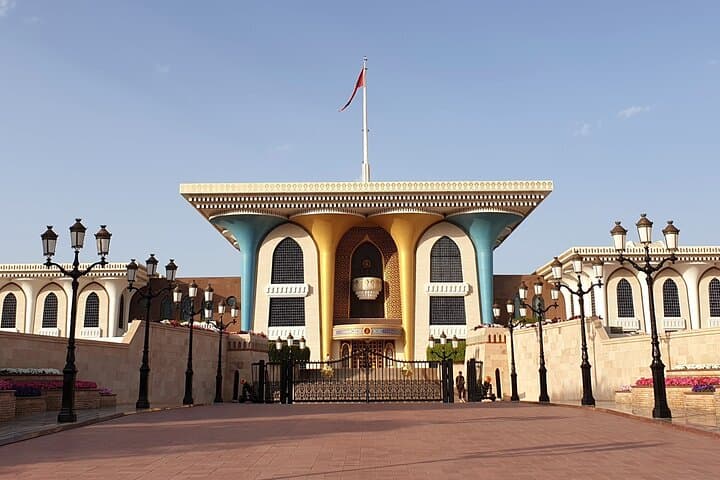
Explore Muscat after dark on a private 4–5 hour drive that pairs illuminated mosques, the Muttrah Corniche, Al-Alam Palace and coastal views. This tour is a concise, accessible way to see the city's major sights with a local guide.
Explore Muscat after dark on a private 4–5 hour drive that pairs illuminated mosques, the Muttrah Corniche, Al-Alam Palace and coastal views. This tour is a concise, accessible way to see the city's major sights with a local guide.
The city settles into a slow, luminous pace as your private vehicle slides past low limestone ridges and into the glow of Muscat’s waterfront. Streetlamps pick out the white domes and minarets while the sea pushes light along the Muttrah Corniche, daring you to step out and watch the city breathe.
Verified experiences and guided adventures in the surrounding area.
Operated by Oman Tour · Muscat, Muscat Governorate
The city settles into a slow, luminous pace as your private vehicle slides past low limestone ridges and into the glow of Muscat’s waterfront. Streetlamps pick out the white domes and minarets while the sea pushes light along the Muttrah Corniche, daring you to step out and watch the city breathe.
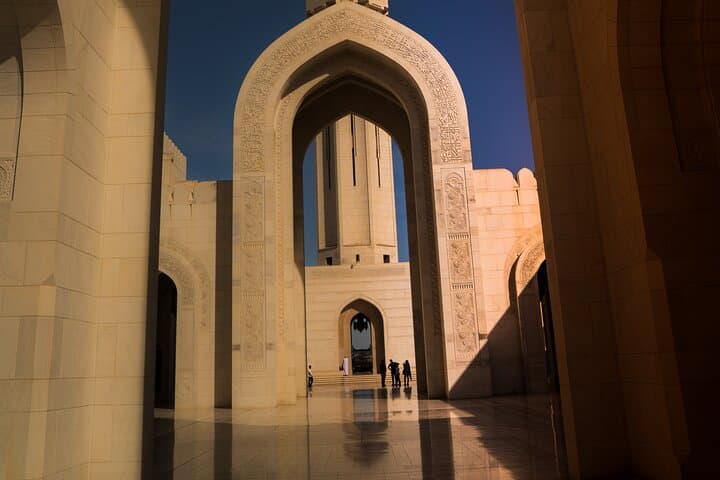
This half-day night tour links modern Muscat with its maritime past: the Sultan Qaboos Grand Mosque’s exterior lights, the Ottoman-era echoes of Al-Jalali and Al-Mirani forts, and the ceremonial face of Al-Alam Palace. Geologically, Muscat sits where the Hajar foothills meet the Gulf of Oman — an abrupt meeting of rock and water that shaped the city’s harbor and its role as a trading hub. Culturally, the souq in Muttrah still sells frankincense, silver and shawls, carrying the cadence of generations of merchants.
Expect short walks, photo stops, and time in air-conditioned privacy between points of interest. The guide sketches history in concise vignettes: sultans, seafaring trade, and recent cultural investments such as the Royal Opera House. Practicalities matter: mosque exterior viewing is permitted at night, but interior visits have limited morning hours; bring modest clothing for respectful photos outside religious sites.
Plan for cooler coastal breezes after sunset, pack water, and set your camera for low-light shots. The route is compact — ideal for travelers who want a concentrated introduction to Muscat’s night-time character without extensive walking or complicated logistics.
easy.
4–5 hours.
Suitable for all fitness levels; minimal walking with frequent rest and vehicle transfers.
Exterior viewing and photos of the mosque at night are included; interior visits are restricted to morning hours (typically 8–11am) so plan a daytime visit if you want inside access.
Yes — private transportation with pickup and drop-off is included; confirm your pickup point at booking for timing and meeting instructions.
The tour lists wheelchair-accessible transport and surfaces, but some historic sites have steps; advise the operator of requirements when booking for specific accommodations.
Tipping is customary for good service; small cash tips for the guide and driver are appreciated but not mandatory.
Muscat grew as a strategic port where Arabian, Persian and Indian Ocean trade converged; forts like Al-Jalali and Al-Mirani defended this entrance for centuries under successive rulers.
Coastal development and light pollution affect shoreline habitats; visitors are encouraged to avoid littering, use refillable water bottles when possible, and respect protected historic sites.
Oman Tour operates guided outdoor trips and adventures with an emphasis on safety, stewardship, and memorable experiences.

The city settles into a slow, luminous pace as your private vehicle slides past low limestone ridges and into the glow of Muscat’s waterfront. Streetlamps pick out the white domes and minarets while the sea pushes light along the Muttrah Corniche, daring you to step out and watch the city breathe.
The city settles into a slow, luminous pace as your private vehicle slides past low limestone ridges and into the glow of Muscat’s waterfront. Streetlamps pick out the white domes and minarets while the sea pushes light along the Muttrah Corniche, daring you to step out and watch the city breathe.
This half-day night tour links modern Muscat with its maritime past: the Sultan Qaboos Grand Mosque’s exterior lights, the Ottoman-era echoes of Al-Jalali and Al-Mirani forts, and the ceremonial face of Al-Alam Palace. Geologically, Muscat sits where the Hajar foothills meet the Gulf of Oman — an abrupt meeting of rock and water that shaped the city’s harbor and its role as a trading hub. Culturally, the souq in Muttrah still sells frankincense, silver and shawls, carrying the cadence of generations of merchants.
Expect short walks, photo stops, and time in air-conditioned privacy between points of interest. The guide sketches history in concise vignettes: sultans, seafaring trade, and recent cultural investments such as the Royal Opera House. Practicalities matter: mosque exterior viewing is permitted at night, but interior visits have limited morning hours; bring modest clothing for respectful photos outside religious sites.
Plan for cooler coastal breezes after sunset, pack water, and set your camera for low-light shots. The route is compact — ideal for travelers who want a concentrated introduction to Muscat’s night-time character without extensive walking or complicated logistics.