THE ADVENTURE COLLECTIVE® · Independent discovery and booking for outdoor travel

Walk Mürren with a private guide to see wooden chalets, English‑era architecture, and sweeping views of the Eiger, Mönch and Jungfrau. This two‑hour village stroll combines local history, geology, and practical tips for mountain walking.
Walk Mürren with a private guide to see wooden chalets, English‑era architecture, and sweeping views of the Eiger, Mönch and Jungfrau. This two‑hour village stroll combines local history, geology, and practical tips for mountain walking.
A high, thin ribbon of track drops you off at Mürren's vintage mountain railway station and the village opens like a stage: wooden chalets step down the slope, a church bell marks the hour, and the north face of the Eiger fills the horizon.
Verified experiences and guided adventures in the surrounding area.
Operated by BlackBuck Travels · Murren, Bern
A high, thin ribbon of track drops you off at Mürren's vintage mountain railway station and the village opens like a stage: wooden chalets step down the slope, a church bell marks the hour, and the north face of the Eiger fills the horizon.
This private two-hour walking tour threads local history with geology and everyday mountain life. Guides point out the Murren Palace—where British ski pioneers formalized Alpine sport—then lead past the English Neo‑Gothic Evangelical Church and St. Mary's Chapel, both reminders of the 19th‑century English influence that shaped tourism here. Geologically, the village sits on a stable moraine terrace above the Lauterbrunnen Valley; nearby peaks—Eiger, Mönch, Jungfrau—are sharp granitic ridges carved by ice.
Culture here is quiet and practical: flower boxes, carved balconies, and a community that manages steep winter seasons and summer grazing. Local insights include the Allmendhubel funicular for a short summit walk and the gentle Northface Trail that edges dramatic viewpoints without technical terrain.
Practical guidance: wear sturdy shoes for mixed paved and gravel paths, expect thin‑air exertion at roughly 1,650 m (5,400 ft), and bring layers—sun can be strong and weather fast. The route is low‑technical but involves slopes, steps and occasional narrow sidewalks. Best times are late spring through early fall for flowers and clearer views; winter visits require winter boots and may be limited by snow. A private guide keeps pace, points out geology and history, and helps you read the mountains as you walk.
moderate.
2 hours.
Moderately fit: able to walk 2–4 km on uneven surfaces and climb short flights of steps without assistance
Most tours meet at Mürren mountain railway station; exact meeting point is confirmed at booking.
The village has sections with cobbles and steps; short distances are stroller accessible but a baby carrier is easier for steep sections.
Yes, but snow can change walking conditions—winter boots and possibly crampons are recommended and some parts may be substituted for safety.
No; the tour includes a private guide only—food, funicular rides and admissions are paid separately by participants.
Mürren became an English‑favored mountain resort in the 19th century; Hotel Murren Palace and the English Church reflect that era and early alpine skiing history.
Alpine meadows are fragile—stay on marked paths, avoid trampling flowers, and carry out all waste to protect summer grazing and nesting birds.
BlackBuck Travels operates guided outdoor trips and adventures with an emphasis on safety, stewardship, and memorable experiences.
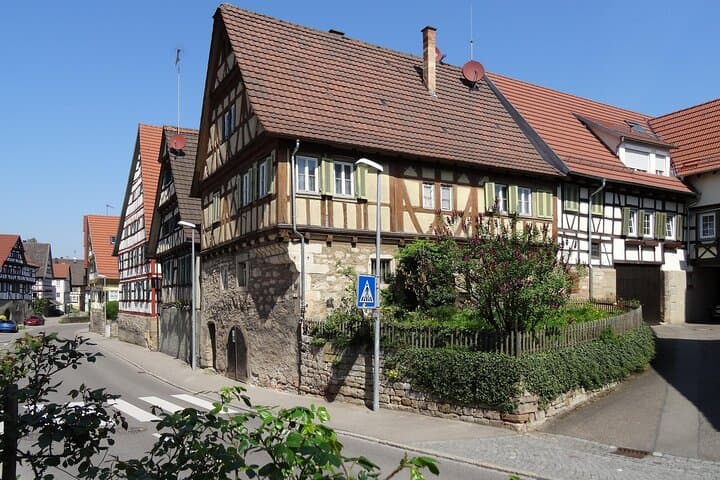
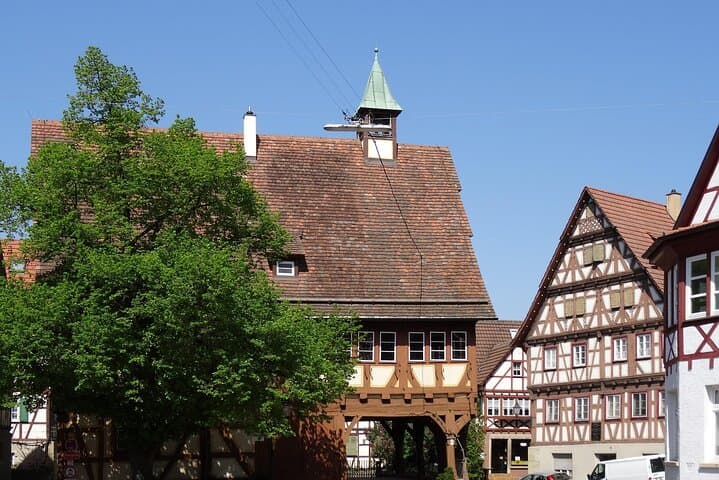
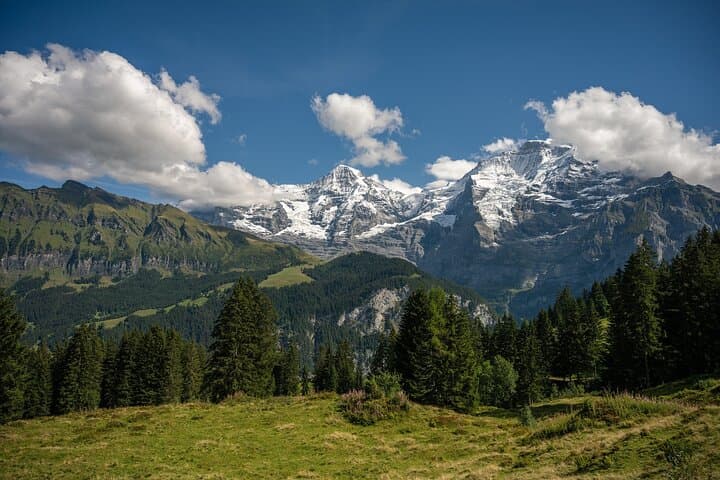
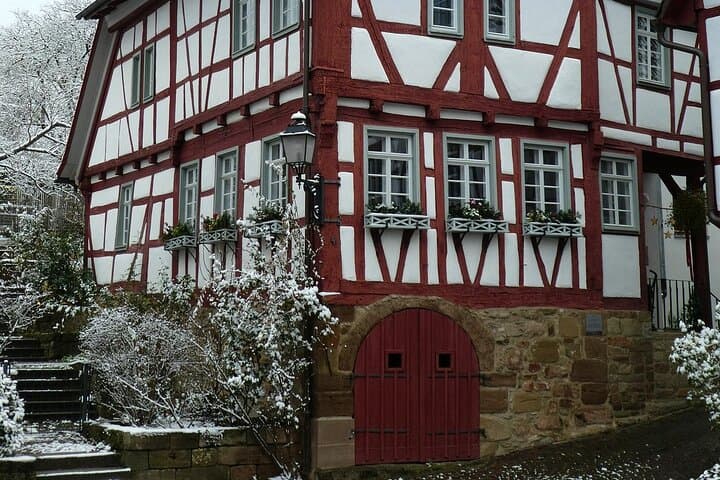
A high, thin ribbon of track drops you off at Mürren's vintage mountain railway station and the village opens like a stage: wooden chalets step down the slope, a church bell marks the hour, and the north face of the Eiger fills the horizon.
A high, thin ribbon of track drops you off at Mürren's vintage mountain railway station and the village opens like a stage: wooden chalets step down the slope, a church bell marks the hour, and the north face of the Eiger fills the horizon.
This private two-hour walking tour threads local history with geology and everyday mountain life. Guides point out the Murren Palace—where British ski pioneers formalized Alpine sport—then lead past the English Neo‑Gothic Evangelical Church and St. Mary's Chapel, both reminders of the 19th‑century English influence that shaped tourism here. Geologically, the village sits on a stable moraine terrace above the Lauterbrunnen Valley; nearby peaks—Eiger, Mönch, Jungfrau—are sharp granitic ridges carved by ice.
Culture here is quiet and practical: flower boxes, carved balconies, and a community that manages steep winter seasons and summer grazing. Local insights include the Allmendhubel funicular for a short summit walk and the gentle Northface Trail that edges dramatic viewpoints without technical terrain.
Practical guidance: wear sturdy shoes for mixed paved and gravel paths, expect thin‑air exertion at roughly 1,650 m (5,400 ft), and bring layers—sun can be strong and weather fast. The route is low‑technical but involves slopes, steps and occasional narrow sidewalks. Best times are late spring through early fall for flowers and clearer views; winter visits require winter boots and may be limited by snow. A private guide keeps pace, points out geology and history, and helps you read the mountains as you walk.