THE ADVENTURE COLLECTIVE® · Independent discovery and booking for outdoor travel

Glide from St. Mark’s to Murano by semi-private water taxi and stand close to a working furnace as master glassblowers form molten glass into art. This three-hour tour pairs an insider demonstration with a guided island walk and time to shop local studios.
Glide from St. Mark’s to Murano by semi-private water taxi and stand close to a working furnace as master glassblowers form molten glass into art. This three-hour tour pairs an insider demonstration with a guided island walk and time to shop local studios.
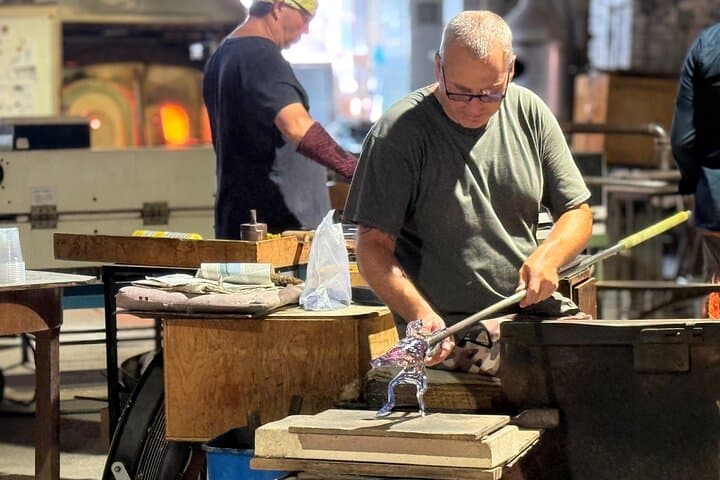
The small ferry slips away from St. Mark’s and Venice unfolds: low-slung palaces give way to reed-lined lagoon and, ahead, Murano’s squat chimneys puncture the skyline like lighthouses for craft. Arriving by semi-private water taxi places you yards from the furnace, where heat and speed shape clear, molten orbs into luminous objects under a maestro’s steady hands.
Verified experiences and guided adventures in the surrounding area.
Operated by CITY TOURS CO. LTD · Murano, Veneto
The small ferry slips away from St. Mark’s and Venice unfolds: low-slung palaces give way to reed-lined lagoon and, ahead, Murano’s squat chimneys puncture the skyline like lighthouses for craft. Arriving by semi-private water taxi places you yards from the furnace, where heat and speed shape clear, molten orbs into luminous objects under a maestro’s steady hands.
Murano’s glass history stretches back to the 13th century, when the Venetian Republic concentrated furnaces on the island to limit fire risk and protect trade secrets. The lagoon’s flat geology and access to maritime routes made Murano an ideal production hub; its distinct techniques—lattimo, aventurine, sommerso—reflect centuries of small-scale experimentation and export.
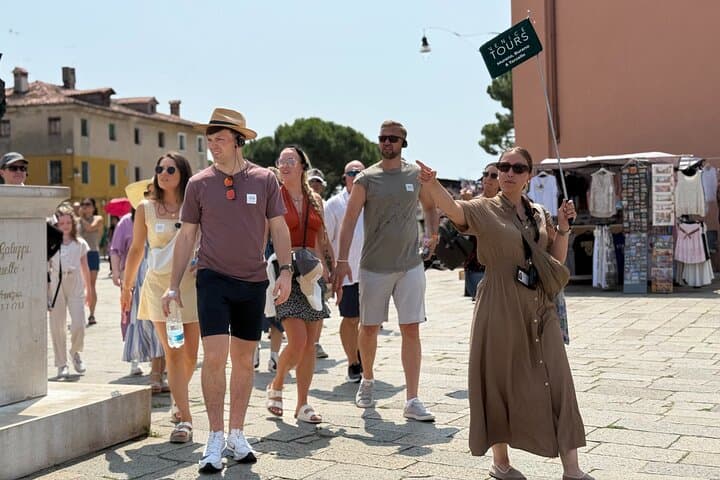
On the walk after the demonstration, narrow canals, family-run studios and quiet squares offer a slice of local life: small shops display colorful beads, chandeliers, and wearable glass, while guides explain traditional methods and modern adaptations. Expect close-up viewing of the furnace (hot, noisy) and a chance to ask about annealing, tooling and color recipes.
Practical notes: meet at the Venice Tours office near Riva degli Schiavoni 10 minutes early; the full experience lasts about three hours and includes round-trip water taxi. Wear closed-toe shoes and light layers—the furnace is hot but the boat and island breezes can be cool. Photography is usually allowed but follow the maestro’s lead. If you plan to buy a piece, look for certified “Vetro di Murano” labels and allow time for secure packaging on-site. The tour runs in most weather, but heavy storms may force rescheduling.
easy.
3 hours.
Suitable for all fitness levels; involves short walks on uneven pavements and boarding a water taxi
The tour is approximately three hours and includes semi-private round-trip water taxi, a live glassblowing demonstration at a Murano furnace, and a guided island walk.
Yes—observers stand a short distance from the furnace with staff guidance; closed-toe shoes and following the maestro’s directions are required for safety.
Yes, most studios sell pieces and will pack them for travel; allow extra time for purchases and check airline carry rules for fragile items.
Boats are covered and tours run in light rain, but exceptionally bad weather may cause cancellation or rescheduling—check notifications before departure.
Murano became the center of Venetian glassmaking in the late 1200s when furnaces were moved to the island both to control fire risk and to protect artisan secrets.
The Venetian lagoon faces pressures from tourism and rising water; choose local studios that use responsible sourcing and minimal-packaging practices to reduce impact.
CITY TOURS CO. LTD operates guided outdoor trips and adventures with an emphasis on safety, stewardship, and memorable experiences.
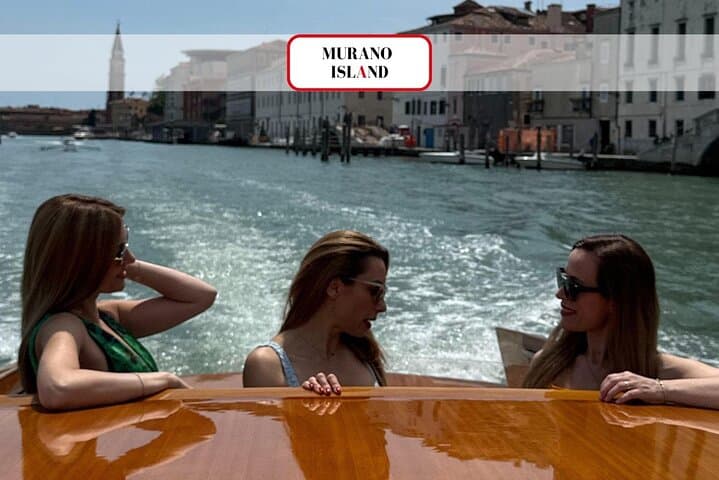
The small ferry slips away from St. Mark’s and Venice unfolds: low-slung palaces give way to reed-lined lagoon and, ahead, Murano’s squat chimneys puncture the skyline like lighthouses for craft. Arriving by semi-private water taxi places you yards from the furnace, where heat and speed shape clear, molten orbs into luminous objects under a maestro’s steady hands.
The small ferry slips away from St. Mark’s and Venice unfolds: low-slung palaces give way to reed-lined lagoon and, ahead, Murano’s squat chimneys puncture the skyline like lighthouses for craft. Arriving by semi-private water taxi places you yards from the furnace, where heat and speed shape clear, molten orbs into luminous objects under a maestro’s steady hands.
Murano’s glass history stretches back to the 13th century, when the Venetian Republic concentrated furnaces on the island to limit fire risk and protect trade secrets. The lagoon’s flat geology and access to maritime routes made Murano an ideal production hub; its distinct techniques—lattimo, aventurine, sommerso—reflect centuries of small-scale experimentation and export.
On the walk after the demonstration, narrow canals, family-run studios and quiet squares offer a slice of local life: small shops display colorful beads, chandeliers, and wearable glass, while guides explain traditional methods and modern adaptations. Expect close-up viewing of the furnace (hot, noisy) and a chance to ask about annealing, tooling and color recipes.
Practical notes: meet at the Venice Tours office near Riva degli Schiavoni 10 minutes early; the full experience lasts about three hours and includes round-trip water taxi. Wear closed-toe shoes and light layers—the furnace is hot but the boat and island breezes can be cool. Photography is usually allowed but follow the maestro’s lead. If you plan to buy a piece, look for certified “Vetro di Murano” labels and allow time for secure packaging on-site. The tour runs in most weather, but heavy storms may force rescheduling.