THE ADVENTURE COLLECTIVE® · Independent discovery and booking for outdoor travel

Step off Venice’s main islands and into two living crafts: molten glass on Murano and delicate lace on Burano. This five‑hour boat tour pairs live demonstrations with village walks, local context and time for shopping.
Step off Venice’s main islands and into two living crafts: molten glass on Murano and delicate lace on Burano. This five‑hour boat tour pairs live demonstrations with village walks, local context and time for shopping.
A small motor launch cuts through the pale-green lagoon as Venice falls away behind you — church domes and campaniles shrinking to a postcard. Salt air and a gentle engine hum set the pace while the guide frames the day: first, the island where fire shapes glass; then the village where lace has been stitched for centuries.
Verified experiences and guided adventures in the surrounding area.
Operated by Glass factory Colleoni Murano · Venice, Veneto
A small motor launch cuts through the pale-green lagoon as Venice falls away behind you — church domes and campaniles shrinking to a postcard. Salt air and a gentle engine hum set the pace while the guide frames the day: first, the island where fire shapes glass; then the village where lace has been stitched for centuries.
Murano’s glassmaking stretches back to the 13th century, when furnaces were moved offshore for safety. Visitors pass S. Maria e Donato, a 7th‑century church with Byzantine mosaic fragments, before entering a working furnace where glassblowers spin, blow and shape molten colors under heat and rhythm. The work is geological and human: silica transformed into form by heat, breath and practiced hands.
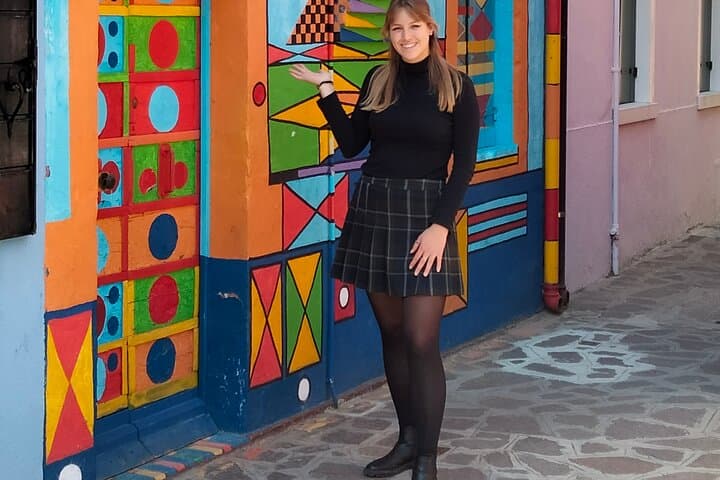
Burano answers with color and craft. Painted fishermen’s houses and narrow canals open onto lace ateliers where needle and bobbin maintain a quiet, tactile tradition that helped define local identity.
Practically: the shared boat tour runs about five hours from Venice’s San Zaccaria area; it includes a live glass demonstration, a visit to a lace laboratory, free time to explore, one glass of wine and a factory discount for purchases. Expect easy walking on cobbles and piers, intermittent sun and occasional sea breeze. Wear comfortable, grippy shoes, bring a small daypack for purchases and a waterproof layer for spray or sudden showers.
Timing your visit early in the day avoids midafternoon crowds and offers gentler light for photos. Respect workshop protocols — no touching hot glass, follow the guide’s route — and allow extra time to linger in alleys where the islands’ quieter stories live.
easy.
5 hours.
Suitable for most fitness levels; expect short walking sections on uneven surfaces and standing during demonstrations.
The meeting point is in Venice near San Zaccaria (between Locanda Vivaldi and Hotel Metropole); the tour returns to the same spot.
Yes—the tour includes entry to the glass demonstration and the lace laboratory visits noted in the itinerary.
Transportation and much of the itinerary are listed as wheelchair accessible, but expect some uneven surfaces at island docks—contact the operator for specific access needs.
Yes; there is free time for shopping and a 20% discount at the Colleoni glass factory is included for participants.
Murano’s furnaces were moved offshore from Venice in the late 1200s to reduce fire risk; Burano’s lace craft became internationally prized in the 16th–19th centuries, supporting local families.
The lagoon is sensitive to boat traffic and tidal changes (acqua alta); choose operators that follow slow, low‑wake routes and respect no‑wake zones to limit shoreline erosion.
Glass factory Colleoni Murano operates guided outdoor trips and adventures with an emphasis on safety, stewardship, and memorable experiences.


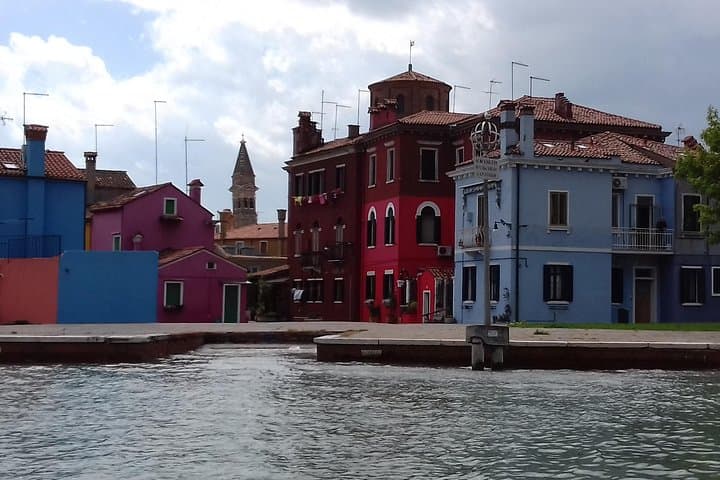
A small motor launch cuts through the pale-green lagoon as Venice falls away behind you — church domes and campaniles shrinking to a postcard. Salt air and a gentle engine hum set the pace while the guide frames the day: first, the island where fire shapes glass; then the village where lace has been stitched for centuries.
A small motor launch cuts through the pale-green lagoon as Venice falls away behind you — church domes and campaniles shrinking to a postcard. Salt air and a gentle engine hum set the pace while the guide frames the day: first, the island where fire shapes glass; then the village where lace has been stitched for centuries.
Murano’s glassmaking stretches back to the 13th century, when furnaces were moved offshore for safety. Visitors pass S. Maria e Donato, a 7th‑century church with Byzantine mosaic fragments, before entering a working furnace where glassblowers spin, blow and shape molten colors under heat and rhythm. The work is geological and human: silica transformed into form by heat, breath and practiced hands.
Burano answers with color and craft. Painted fishermen’s houses and narrow canals open onto lace ateliers where needle and bobbin maintain a quiet, tactile tradition that helped define local identity.
Practically: the shared boat tour runs about five hours from Venice’s San Zaccaria area; it includes a live glass demonstration, a visit to a lace laboratory, free time to explore, one glass of wine and a factory discount for purchases. Expect easy walking on cobbles and piers, intermittent sun and occasional sea breeze. Wear comfortable, grippy shoes, bring a small daypack for purchases and a waterproof layer for spray or sudden showers.
Timing your visit early in the day avoids midafternoon crowds and offers gentler light for photos. Respect workshop protocols — no touching hot glass, follow the guide’s route — and allow extra time to linger in alleys where the islands’ quieter stories live.