THE ADVENTURE COLLECTIVE® · Independent discovery and booking for outdoor travel

Traverse Muong Hoa Valley on guided treks from Sapa — from single-day circuit hikes to multi-day homestay routes. Expect steep stone steps, rice-terrace panoramas and evenings shared with local families.
Traverse Muong Hoa Valley on guided treks from Sapa — from single-day circuit hikes to multi-day homestay routes. Expect steep stone steps, rice-terrace panoramas and evenings shared with local families.
Fog lifts off the rice terraces like a curtain and Sapa’s steep ridgelines reveal villages stitched into the hills. Trekkers set out from Sapa town at 9AM, descending along narrow paths that thread past carved terraces, bamboo groves and streams that dare you to stop and listen. Guides from local hill-tribe communities lead groups on routes through Y Linh Ho, Lao Chai, Ta Van, Giang Ta Chai and Ta Phin — routes that shift from packed stone track to muddy footpath depending on the season.
Verified experiences and guided adventures in the surrounding area.
Operated by Sapa Trekking Tours · Sapa, Lao Cai Province
Fog lifts off the rice terraces like a curtain and Sapa’s steep ridgelines reveal villages stitched into the hills. Trekkers set out from Sapa town at 9AM, descending along narrow paths that thread past carved terraces, bamboo groves and streams that dare you to stop and listen. Guides from local hill-tribe communities lead groups on routes through Y Linh Ho, Lao Chai, Ta Van, Giang Ta Chai and Ta Phin — routes that shift from packed stone track to muddy footpath depending on the season.
The Muong Hoa Valley bears layers of history: centuries of terrace farming by Hmong and Dao families, French colonial-era trailheads, and caves formed in limestone and shale. Geologically, the valley’s sculpted slopes and river-cut gullies tell of persistent monsoon erosion and human adaptation. Cultural insight comes in shared meals at homestays — long wooden lofts, mosquito nets and dinners around a low table — where language barriers soften over steaming bowls of local pho and sticky rice.
Practically, one-day options provide a solid introduction and return by minivan or motorbike taxi; two- and three-day packages add homestays and deeper village access. Trails vary in difficulty; expect uneven stone steps, occasional river crossings, and daily walking of 15–20 km on multi-day routes. Hydration, layered clothing for sudden weather shifts, sturdy footwear with good tread and respect for private farmland are essential. Guides carry maps and decide final routes with you; let them advise on extra transfer costs for off-route visits. With basic fitness and sensible packing, Sapa’s valleys reward effort with expansive views and close cultural exchange.
moderate.
8 hours to 3 days.
Suitable for travelers with regular walking fitness able to manage uneven terrain and up to 15–20 km a day on multi-day options.
No technical experience is required; the trails are non-technical but uneven — basic fitness and steady footing are enough.
Homestays are family-run with shared loft-style sleeping, mosquito nets and local meals; some have western toilets and hot showers, others more basic facilities.
Guides present maps at the start and you choose difficulty and destinations; some off-route sections may incur extra transport costs.
Return transport to Sapa is included; return from the valley may be by shared minivan or motorbike taxi depending on group size.
The Muong Hoa Valley has been shaped by Hmong and Dao upland communities for centuries; French colonial maps later formalized many of the valley trails used today.
Terrace farming supports local biodiversity but increased trekking requires trail management and waste discipline; support local guides and minimize single-use plastics.
Sapa Trekking Tours operates guided outdoor trips and adventures with an emphasis on safety, stewardship, and memorable experiences.
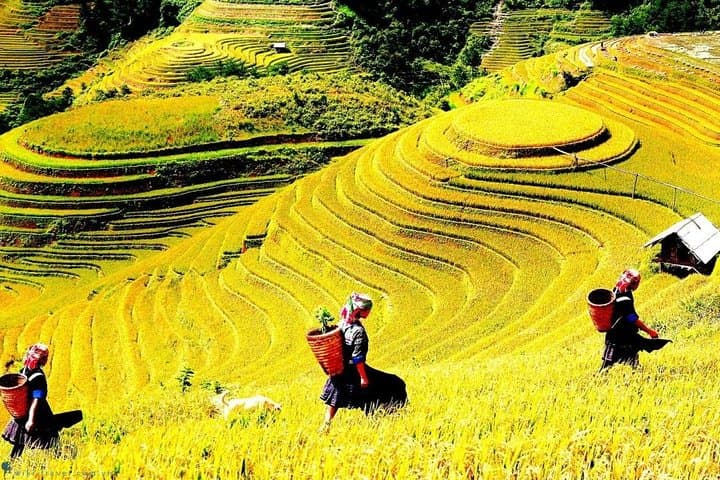
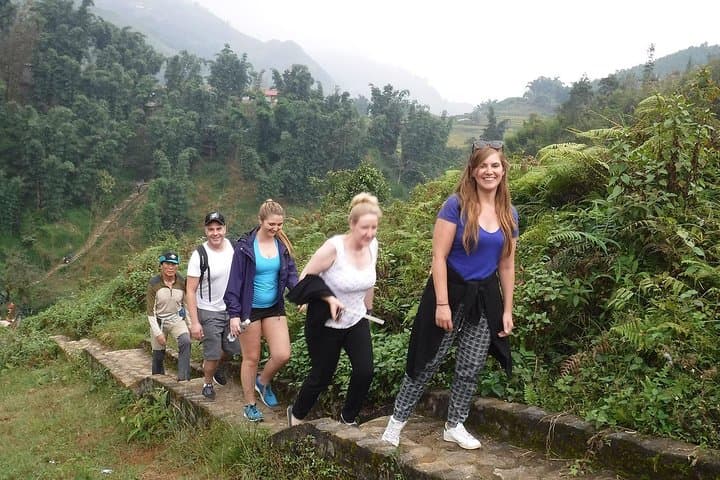
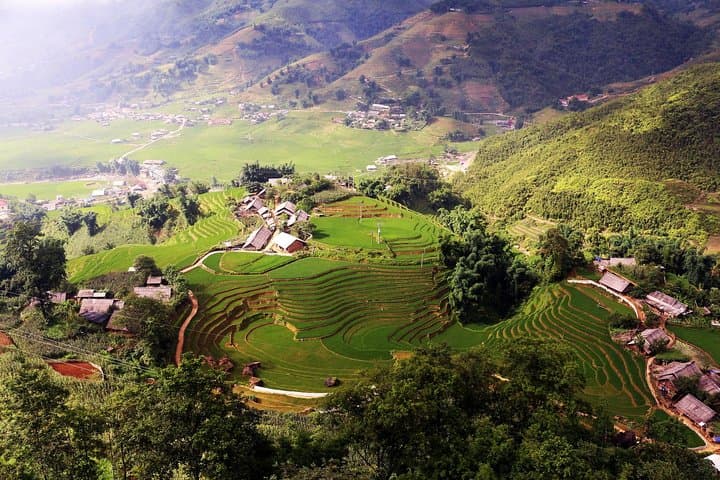
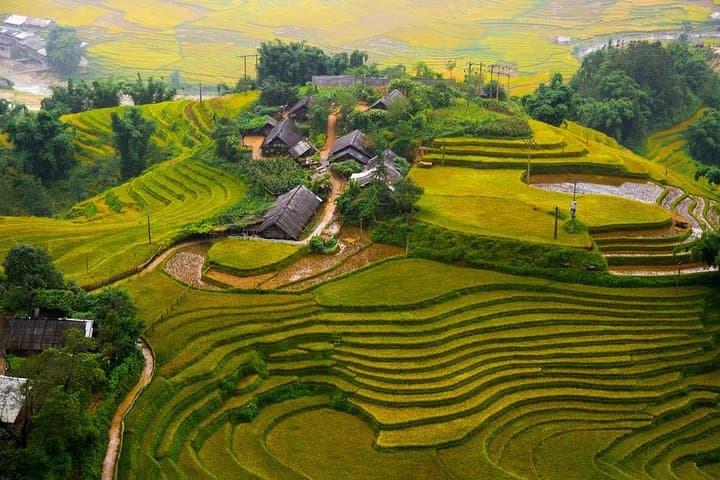
Fog lifts off the rice terraces like a curtain and Sapa’s steep ridgelines reveal villages stitched into the hills. Trekkers set out from Sapa town at 9AM, descending along narrow paths that thread past carved terraces, bamboo groves and streams that dare you to stop and listen. Guides from local hill-tribe communities lead groups on routes through Y Linh Ho, Lao Chai, Ta Van, Giang Ta Chai and Ta Phin — routes that shift from packed stone track to muddy footpath depending on the season.
Fog lifts off the rice terraces like a curtain and Sapa’s steep ridgelines reveal villages stitched into the hills. Trekkers set out from Sapa town at 9AM, descending along narrow paths that thread past carved terraces, bamboo groves and streams that dare you to stop and listen. Guides from local hill-tribe communities lead groups on routes through Y Linh Ho, Lao Chai, Ta Van, Giang Ta Chai and Ta Phin — routes that shift from packed stone track to muddy footpath depending on the season.
The Muong Hoa Valley bears layers of history: centuries of terrace farming by Hmong and Dao families, French colonial-era trailheads, and caves formed in limestone and shale. Geologically, the valley’s sculpted slopes and river-cut gullies tell of persistent monsoon erosion and human adaptation. Cultural insight comes in shared meals at homestays — long wooden lofts, mosquito nets and dinners around a low table — where language barriers soften over steaming bowls of local pho and sticky rice.
Practically, one-day options provide a solid introduction and return by minivan or motorbike taxi; two- and three-day packages add homestays and deeper village access. Trails vary in difficulty; expect uneven stone steps, occasional river crossings, and daily walking of 15–20 km on multi-day routes. Hydration, layered clothing for sudden weather shifts, sturdy footwear with good tread and respect for private farmland are essential. Guides carry maps and decide final routes with you; let them advise on extra transfer costs for off-route visits. With basic fitness and sensible packing, Sapa’s valleys reward effort with expansive views and close cultural exchange.