THE ADVENTURE COLLECTIVE® · Independent discovery and booking for outdoor travel

Spend two nights in a private treehouse above Munnar’s tea estates with door-to-door transfers from Kochi. This short escape blends Eravikulam wildlife, misty viewpoints and quiet walks through tea gardens.
Spend two nights in a private treehouse above Munnar’s tea estates with door-to-door transfers from Kochi. This short escape blends Eravikulam wildlife, misty viewpoints and quiet walks through tea gardens.
You arrive at dawn on a road that climbs from Kerala’s coastal plains into cool, cloud-streaked hills. The car threads through vales of tea bushes that roll like low waves; waterfalls cut the slope in silver ribbons and the Periyar River dares you to pause at Neriamangalam bridge. By evening you’re up a narrow track, the treehouse perched above the plantation, teak and bamboo framing a view of mist-softened ridges.
Verified experiences and guided adventures in the surrounding area.
Operated by Iris Holidays · Munnar, Kerala
You arrive at dawn on a road that climbs from Kerala’s coastal plains into cool, cloud-streaked hills. The car threads through vales of tea bushes that roll like low waves; waterfalls cut the slope in silver ribbons and the Periyar River dares you to pause at Neriamangalam bridge. By evening you’re up a narrow track, the treehouse perched above the plantation, teak and bamboo framing a view of mist-softened ridges.
Munnar’s story is written in tea: British planters cleared shola forests in the late 19th and early 20th centuries and planted the estates that define the landscape today. Geologically the Western Ghats are an ancient escarpment—steep, eroded, and richly biodiverse—where eroded plateaus funnel water into the three streams that give Munnar its name. Cultural traces appear in small market towns, church architecture in nearby Kochi and the dairy operations around Mattupetty that reflect colonial-era agricultural projects.
Expect short drives between viewpoints, a morning at Eravikulam National Park to scan for Nilgiri tahr, and easy walks among tea rows and forest edges. Nights in the treehouse cool quickly; dinners are simple, locally sourced curries and steamed rice.
Practical: the drive from Kochi is roughly 130 km (3.5–5 hours depending on traffic). Elevation in Munnar is around 1,500–1,700 m—bring warm layers and waterproofs. Footwear should handle wet, uneven paths; services are limited outside Munnar town. Book the treehouse early (availability varies) and plan sightseeing in the morning to avoid crowds and afternoon monsoon showers.
moderate.
2–3 days.
Moderate fitness: able to walk on uneven trails and handle short walks at elevation.
The road distance is about 120–140 km and typically takes 3.5–5 hours depending on traffic and road conditions.
Children over 7 are permitted but must be accompanied by adults; the treehouse may have steps and elevated walkways—check safety features before booking.
Breakfast and dinner are included in the itinerary; expect local Kerala-style meals prepared on-site or at the property.
Park entry often requires tickets and may have time-windowed access—your operator typically handles admissions, but carry ID and arrive early.
Munnar’s modern identity grew from British-era tea plantations and related infrastructure projects like the Indo-Swiss Dairy, laid out during colonial and post-colonial agricultural development.
Eravikulam National Park protects endangered high-altitude species; stick to trails, avoid feeding wildlife and minimize plastic waste to reduce visitor impact.
Iris Holidays operates guided outdoor trips and adventures with an emphasis on safety, stewardship, and memorable experiences.
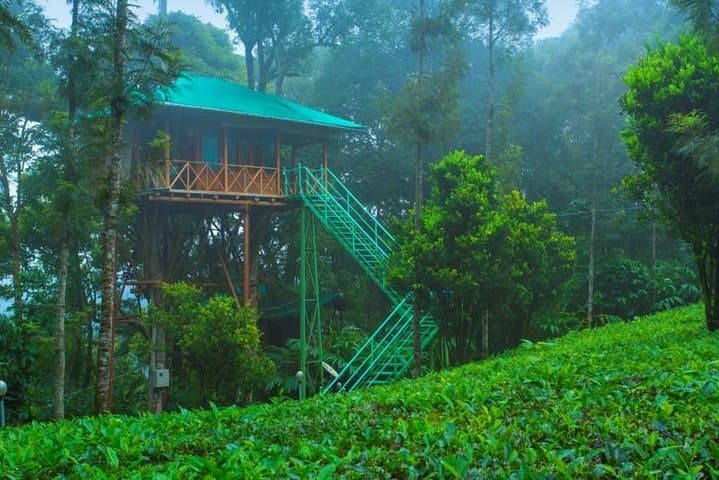
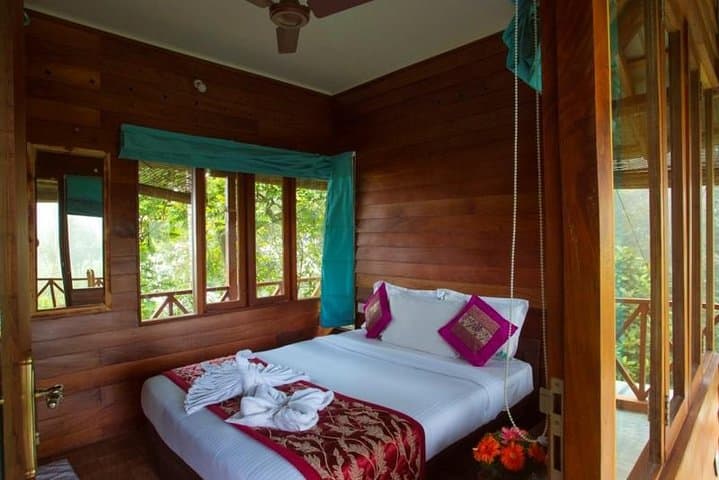
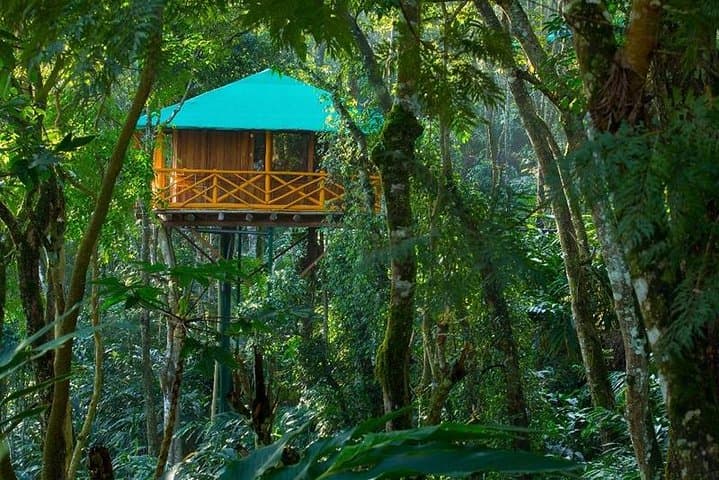
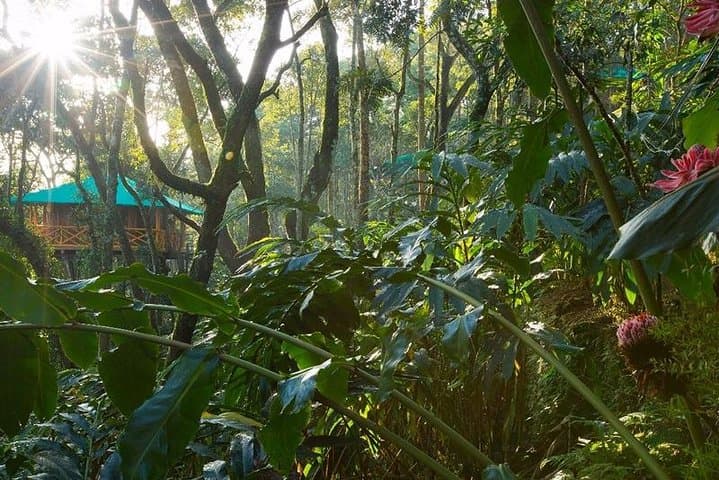
You arrive at dawn on a road that climbs from Kerala’s coastal plains into cool, cloud-streaked hills. The car threads through vales of tea bushes that roll like low waves; waterfalls cut the slope in silver ribbons and the Periyar River dares you to pause at Neriamangalam bridge. By evening you’re up a narrow track, the treehouse perched above the plantation, teak and bamboo framing a view of mist-softened ridges.
You arrive at dawn on a road that climbs from Kerala’s coastal plains into cool, cloud-streaked hills. The car threads through vales of tea bushes that roll like low waves; waterfalls cut the slope in silver ribbons and the Periyar River dares you to pause at Neriamangalam bridge. By evening you’re up a narrow track, the treehouse perched above the plantation, teak and bamboo framing a view of mist-softened ridges.
Munnar’s story is written in tea: British planters cleared shola forests in the late 19th and early 20th centuries and planted the estates that define the landscape today. Geologically the Western Ghats are an ancient escarpment—steep, eroded, and richly biodiverse—where eroded plateaus funnel water into the three streams that give Munnar its name. Cultural traces appear in small market towns, church architecture in nearby Kochi and the dairy operations around Mattupetty that reflect colonial-era agricultural projects.
Expect short drives between viewpoints, a morning at Eravikulam National Park to scan for Nilgiri tahr, and easy walks among tea rows and forest edges. Nights in the treehouse cool quickly; dinners are simple, locally sourced curries and steamed rice.
Practical: the drive from Kochi is roughly 130 km (3.5–5 hours depending on traffic). Elevation in Munnar is around 1,500–1,700 m—bring warm layers and waterproofs. Footwear should handle wet, uneven paths; services are limited outside Munnar town. Book the treehouse early (availability varies) and plan sightseeing in the morning to avoid crowds and afternoon monsoon showers.