THE ADVENTURE COLLECTIVE® · Independent discovery and booking for outdoor travel

Walk between green rows of tea, learn how Camellia sinensis is plucked and processed, and taste fresh brews brewed on-site. This three-hour guided programme in Munnar explains the botany, local history and day-to-day life of tea estates with hands-on demonstrations and practical tips for visiting.
Walk between green rows of tea, learn how Camellia sinensis is plucked and processed, and taste fresh brews brewed on-site. This three-hour guided programme in Munnar explains the botany, local history and day-to-day life of tea estates with hands-on demonstrations and practical tips for visiting.
You step off the minivan into cool, damp air and the estate opens out in ordered rows of young green shoots, mist threading low between the bushes. At roughly 1,500–1,800 m (about 5,000 ft) above sea level, the Western Ghats here shape a landscape of steep ridges, red laterite soils and plantation terraces that seem to flow with the contours of the hills.
Verified experiences and guided adventures in the surrounding area.
Operated by D Trek Munnar Adventure · Munnar, Kerala
You step off the minivan into cool, damp air and the estate opens out in ordered rows of young green shoots, mist threading low between the bushes. At roughly 1,500–1,800 m (about 5,000 ft) above sea level, the Western Ghats here shape a landscape of steep ridges, red laterite soils and plantation terraces that seem to flow with the contours of the hills.
The tea plant, Camellia sinensis, has deep roots in the region — cultivated varieties arrived via trade routes linking India and China and expanded under 19th-century planters who reconfigured hill slopes into estates. Munnar’s geography — cool nights, heavy seasonal rains and well-draining soils — produces the brisk, aromatic teas served after the tour. Local culture is tied to small estate communities: workers with multi-generational knowledge of plucking, rolling and tasting run the daily rhythm.
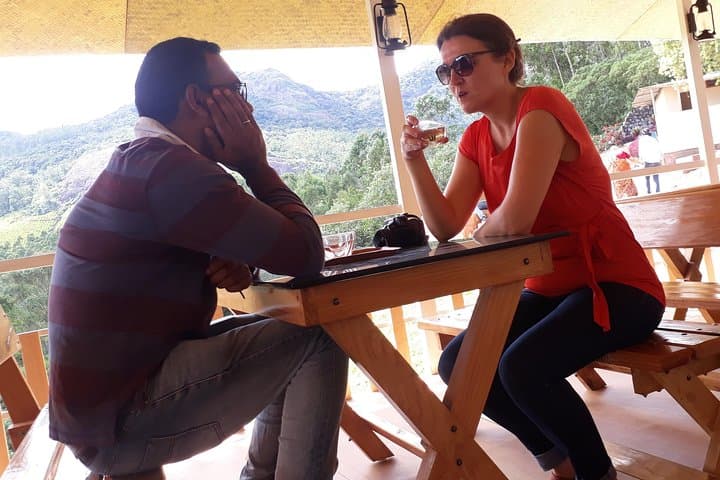
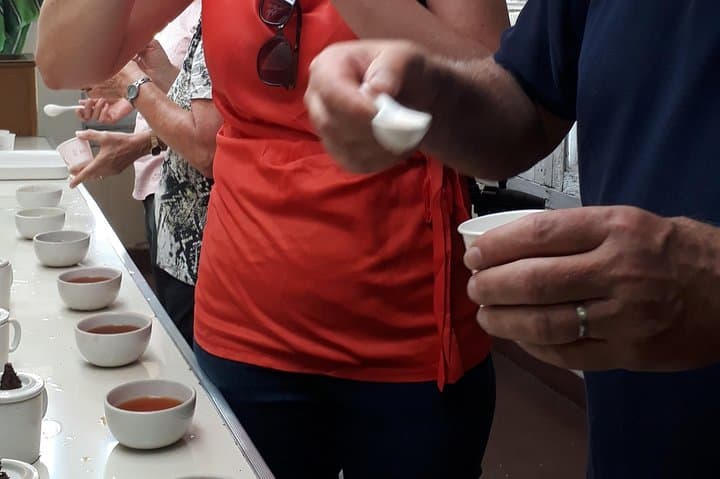
On a three-hour tea cultivation programme you’ll trace a day’s work: hand-plucking demonstrations, a walk through processing sheds, and a guided tasting that highlights oxidation and withering. Paths are mostly dirt lanes between bushes and gentle farm tracks; expect uneven footing and short inclines rather than sustained climbs.
Practical notes: mornings offer the clearest views and the freshest tea samples; monsoon months bring slippery trails and extra leeches in low-lying sections. Wear closed-toe shoes, a light rain jacket in season, and bring water. Photography is welcome but be mindful of workers and private property. The visit is accessible for most fitness levels and offers a compact, sensory way to understand how tea moves from leaf to cup in the Western Ghats.
easy.
3 hours.
Minimal fitness required—walking on gentle farm tracks and short uneven sections; suitable for most adults and older children.
The visit runs about three hours and typically includes a guided walk, processing shed tour and a tasting session.
The listing indicates accessibility options and some wheelchair-accessible transport; however, estate paths may be uneven—check with the operator for specific assistance needs.
Yes—infants and small children can attend (infants should sit on laps); bring appropriate seating arrangements for comfort.
This private programme often includes pick-up options and accepts mobile tickets; confirm transport details at booking.
Tea plantations expanded in the 19th century under colonial planters, transforming hill agriculture and creating estate communities that still shape Munnar’s social landscape.
The Western Ghats are biodiversity-rich; choose operators who follow shade-grown practices, stick to paths to protect undergrowth, and support local labor-led initiatives when possible.
D Trek Munnar Adventure operates guided outdoor trips and adventures with an emphasis on safety, stewardship, and memorable experiences.
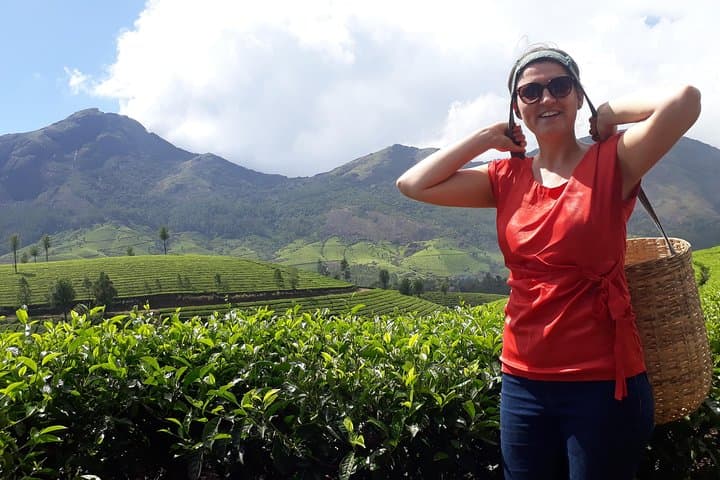
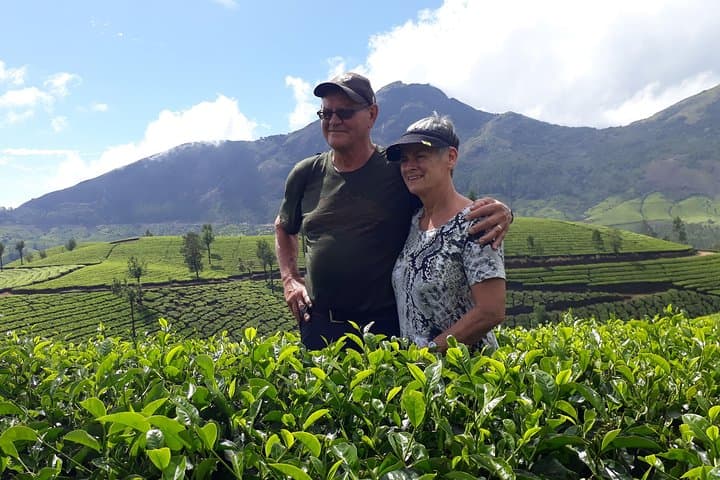
You step off the minivan into cool, damp air and the estate opens out in ordered rows of young green shoots, mist threading low between the bushes. At roughly 1,500–1,800 m (about 5,000 ft) above sea level, the Western Ghats here shape a landscape of steep ridges, red laterite soils and plantation terraces that seem to flow with the contours of the hills.
You step off the minivan into cool, damp air and the estate opens out in ordered rows of young green shoots, mist threading low between the bushes. At roughly 1,500–1,800 m (about 5,000 ft) above sea level, the Western Ghats here shape a landscape of steep ridges, red laterite soils and plantation terraces that seem to flow with the contours of the hills.
The tea plant, Camellia sinensis, has deep roots in the region — cultivated varieties arrived via trade routes linking India and China and expanded under 19th-century planters who reconfigured hill slopes into estates. Munnar’s geography — cool nights, heavy seasonal rains and well-draining soils — produces the brisk, aromatic teas served after the tour. Local culture is tied to small estate communities: workers with multi-generational knowledge of plucking, rolling and tasting run the daily rhythm.
On a three-hour tea cultivation programme you’ll trace a day’s work: hand-plucking demonstrations, a walk through processing sheds, and a guided tasting that highlights oxidation and withering. Paths are mostly dirt lanes between bushes and gentle farm tracks; expect uneven footing and short inclines rather than sustained climbs.
Practical notes: mornings offer the clearest views and the freshest tea samples; monsoon months bring slippery trails and extra leeches in low-lying sections. Wear closed-toe shoes, a light rain jacket in season, and bring water. Photography is welcome but be mindful of workers and private property. The visit is accessible for most fitness levels and offers a compact, sensory way to understand how tea moves from leaf to cup in the Western Ghats.