THE ADVENTURE COLLECTIVE® · Independent discovery and booking for outdoor travel

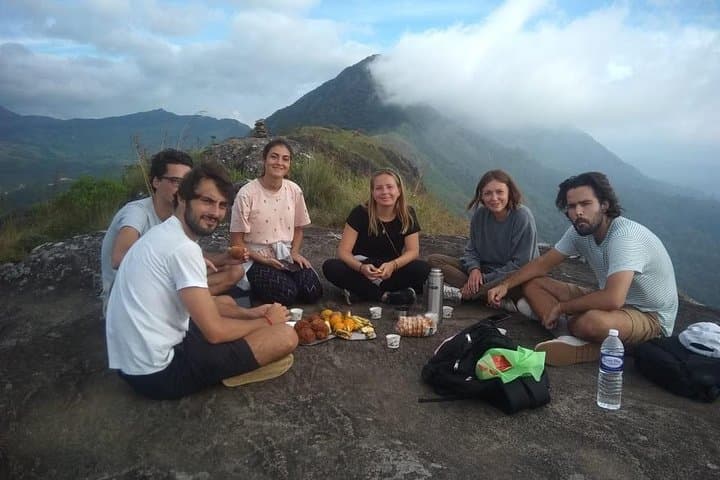
A steady half-day trek through Munnar’s tea terraces and cardamom plots, rising from 1,530 m to about 2,000 m. Expect 14 km of mixed terrain, sweeping valley views, a guided walk, and breakfast on the ridge.
A steady half-day trek through Munnar’s tea terraces and cardamom plots, rising from 1,530 m to about 2,000 m. Expect 14 km of mixed terrain, sweeping valley views, a guided walk, and breakfast on the ridge.
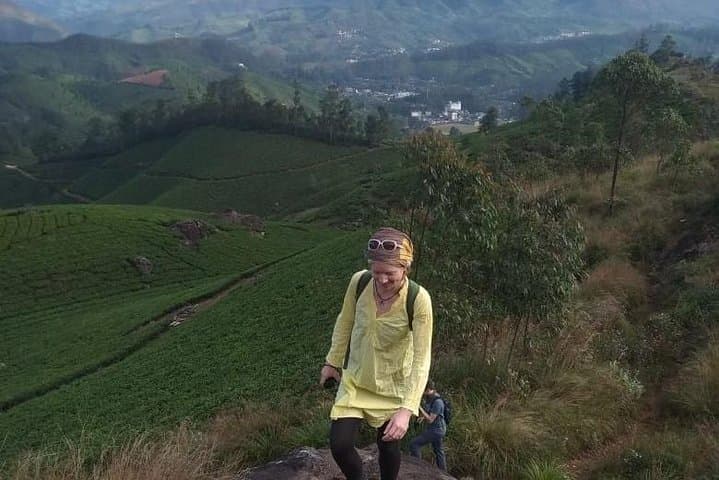
Mornings on this half-day Munnar trek begin with mist lifting off the tea slopes and a narrow track that threads through bright green rows of tea bushes and drier grassland.
Verified experiences and guided adventures in the surrounding area.
Operated by munnar valley trekking & tours · Munnar, Kerala
Mornings on this half-day Munnar trek begin with mist lifting off the tea slopes and a narrow track that threads through bright green rows of tea bushes and drier grassland.
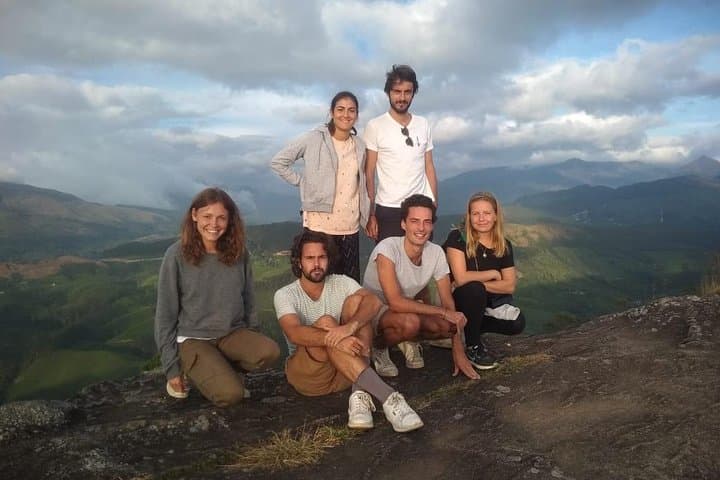
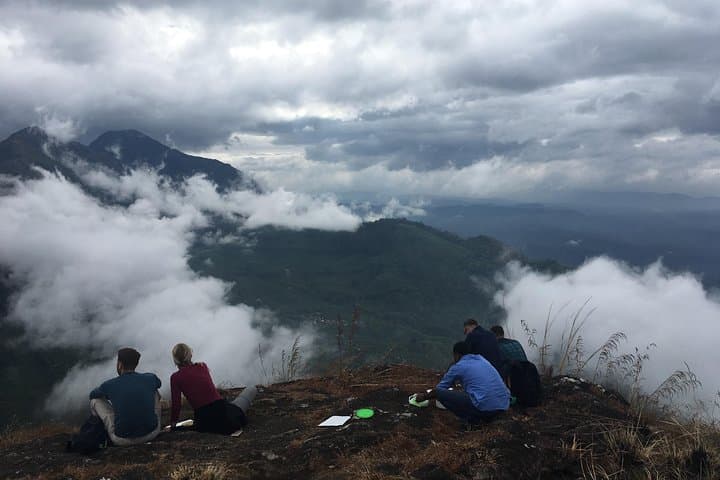
Walkers start near 1,530 m and gain enough elevation—up to roughly 2,000 m—to open a wide valley view over tiered plantations, rocky outcrops, and a patchwork of coffee and cardamom plots. The route moves across five small ridges, through shaded montane forest, and past exposed rocks that feel like footholds in a living map of the Western Ghats.
The region’s history is visible in the landscape: British-era tea estates shaped the hill contours and introduced regular avenues of tea that now dominate the skyline. Geologically, these hills are part of the ancient, heavily weathered basalt and gneiss of the Western Ghats; erosion and human cultivation have created the stepped slopes walkers use today. Local communities still farm cardamom and coffee in small holdings, and guides often point out processing patches and seasonal crops.
Practical guidance: expect 14 km of walking over mixed terrain with unpaved, sometimes slippery trail surfaces and short steep sections. The tour includes a guide, tea-plantation entry, breakfast, snacks and bottled water; wear sturdy footwear, dress in layers, and carry rain protection during monsoon months. Start early to avoid mid-day haze and to get clearer valley views. The pace is steady—this is a moderate walk best suited to hikers with regular walking fitness and a taste for hill-country scenery.
moderate.
4–6 hours.
Moderate fitness—comfortable walking for several hours with short steep sections; regular walkers will be fine.
The route covers about 14 km with a gain of roughly 400–500 m from the start (~1,530 m) to the ridge (~2,000 m). Expect mixed ascents and descents over five small ridges.
The trip includes a guide, tea-plantation entry, breakfast on the ridge, snacks, fruits, bottled water, and luggage storage at the meeting point.
Travelers should have moderate fitness; short steep sections and distance make it challenging for very young children or those unused to multi-hour walks.
Operators may cancel or reschedule for heavy rain or unsafe conditions. Carry waterproof gear and check cancellation terms for refunds if cancelled 24+ hours prior.
Tea planting in Munnar began in the late 19th and early 20th century under British planters; the estates reshaped slopes and introduced large-scale tea cultivation.
The Western Ghats are a biodiversity hotspot; stick to trails, avoid littering, and support local guides who use sustainable practices to limit erosion and disturbance.
munnar valley trekking & tours operates guided outdoor trips and adventures with an emphasis on safety, stewardship, and memorable experiences.
Mornings on this half-day Munnar trek begin with mist lifting off the tea slopes and a narrow track that threads through bright green rows of tea bushes and drier grassland.
Mornings on this half-day Munnar trek begin with mist lifting off the tea slopes and a narrow track that threads through bright green rows of tea bushes and drier grassland.
Walkers start near 1,530 m and gain enough elevation—up to roughly 2,000 m—to open a wide valley view over tiered plantations, rocky outcrops, and a patchwork of coffee and cardamom plots. The route moves across five small ridges, through shaded montane forest, and past exposed rocks that feel like footholds in a living map of the Western Ghats.
The region’s history is visible in the landscape: British-era tea estates shaped the hill contours and introduced regular avenues of tea that now dominate the skyline. Geologically, these hills are part of the ancient, heavily weathered basalt and gneiss of the Western Ghats; erosion and human cultivation have created the stepped slopes walkers use today. Local communities still farm cardamom and coffee in small holdings, and guides often point out processing patches and seasonal crops.
Practical guidance: expect 14 km of walking over mixed terrain with unpaved, sometimes slippery trail surfaces and short steep sections. The tour includes a guide, tea-plantation entry, breakfast, snacks and bottled water; wear sturdy footwear, dress in layers, and carry rain protection during monsoon months. Start early to avoid mid-day haze and to get clearer valley views. The pace is steady—this is a moderate walk best suited to hikers with regular walking fitness and a taste for hill-country scenery.