THE ADVENTURE COLLECTIVE® · Independent discovery and booking for outdoor travel

Spend a full day traversing tea-sculpted ridges and shola pockets on a guided hike from Lekshmi Hills to Pothamedu. Expect 14–18 km of varied terrain, sweeping views of Anaimudi, and local spice gardens along the way.
Spend a full day traversing tea-sculpted ridges and shola pockets on a guided hike from Lekshmi Hills to Pothamedu. Expect 14–18 km of varied terrain, sweeping views of Anaimudi, and local spice gardens along the way.
A pre-dawn bus drops the small group at a narrow lane threaded between manicured tea bushes. Damp air smells of earth and cardamom; the trail climbs quickly and opens into a ridge where wind pushes at you and the valley exhales mist. One side of the trail falls away into rocky slope, the other melts into ordered tea terraces — a working landscape that moves with the seasons.
Verified experiences and guided adventures in the surrounding area.
Operated by Munnar Info · Munnar, Kerala
A pre-dawn bus drops the small group at a narrow lane threaded between manicured tea bushes. Damp air smells of earth and cardamom; the trail climbs quickly and opens into a ridge where wind pushes at you and the valley exhales mist. One side of the trail falls away into rocky slope, the other melts into ordered tea terraces — a working landscape that moves with the seasons.
The Western Ghats here are volcanic and folded rock, sculpted by rain and time. British-era tea planting reshaped the hills in the late 1800s; beneath the green rows lie patches of native shola forest and pockets of spice cultivation — cardamom and coffee which still feed local livelihoods. On clear days the outline of Anaimudi and the pale curve of Idukki Reservoir appear, reminders of the region’s dramatic relief and hydrology.
Local culture is village-forward: guides are usually from nearby settlements where tea and spice farms define daily life. Walks pass small homesteads and roadside tea stalls offering fresh chai and fruit; conversation often turns to weather, planting cycles and the value of keeping trails open but undisturbed.
Practical notes: expect 14–18 km over 7–8 hours with intermittent steep sections and fragile shola patches. Wear grippy footwear and carry 2–3 liters of water, a rain shell, and layered clothes — temperature swings are common. The operator provides a packed lunch and snacks; toilets are basic or absent on the ridge. Stick to the guide’s route to protect rare flora, keep distance from wildlife like Nilgiri thrushes, and be ready for sudden showers during monsoon months.
moderate.
7–8 hours.
Moderate fitness — able to sustain continuous walking over mixed terrain and short steep sections.
The full-day route covers roughly 14–18 km over 7–8 hours with rolling climbs to about 2,000 m MSL; expect several sustained ascents but no technical scrambling.
No special permits are required for this commercial guided trek, but national park rules apply to nearby protected areas — follow your guide’s directions.
Moderate fitness — you should be comfortable walking multiple hours with short steep sections; participants with serious cardiovascular issues are discouraged.
Yes, most operators include pickup from central Munnar pick-up points; confirm pickup location and time at booking.
Tea plantations expanded under British planters in the late 19th century, reshaping land use and local economies around Munnar.
Trails cross sensitive shola-grassland mosaics; stick to paths, avoid single-use plastics, and support local guides who practice low-impact tourism.
Munnar Info operates guided outdoor trips and adventures with an emphasis on safety, stewardship, and memorable experiences.
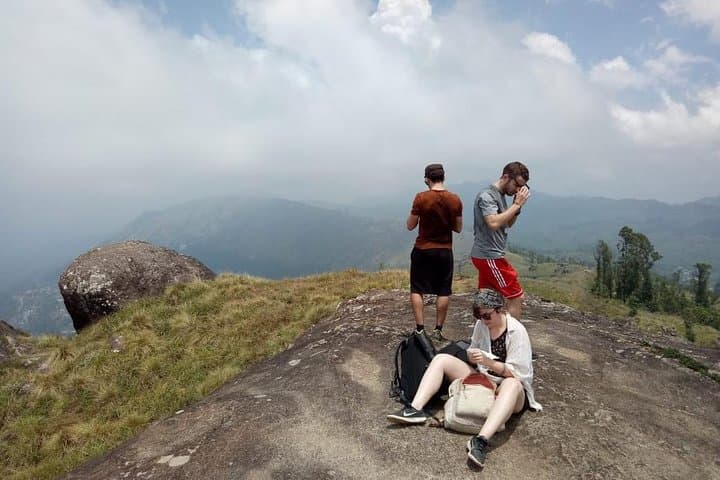
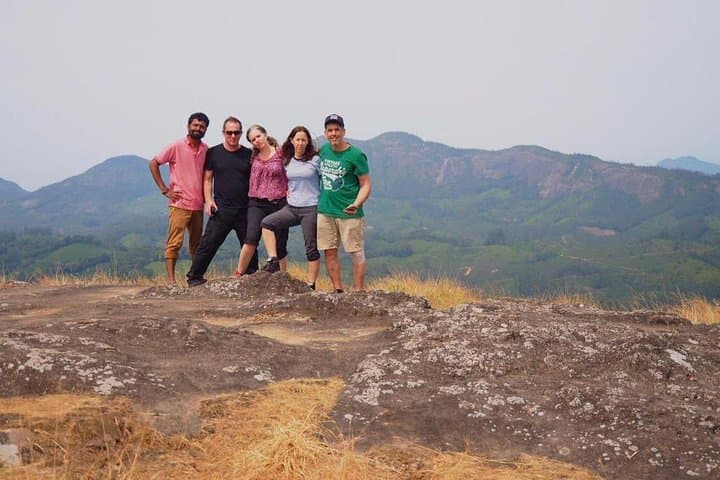
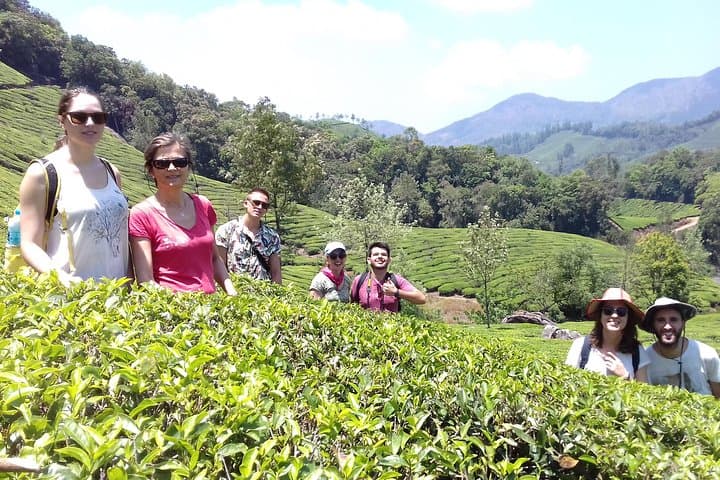
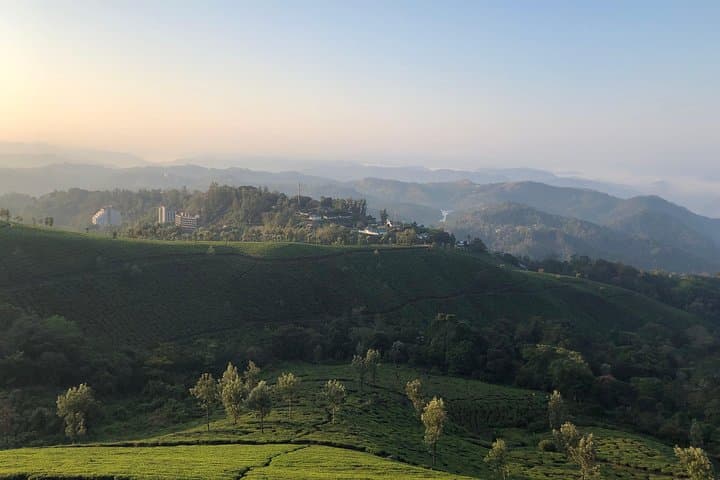
A pre-dawn bus drops the small group at a narrow lane threaded between manicured tea bushes. Damp air smells of earth and cardamom; the trail climbs quickly and opens into a ridge where wind pushes at you and the valley exhales mist. One side of the trail falls away into rocky slope, the other melts into ordered tea terraces — a working landscape that moves with the seasons.
A pre-dawn bus drops the small group at a narrow lane threaded between manicured tea bushes. Damp air smells of earth and cardamom; the trail climbs quickly and opens into a ridge where wind pushes at you and the valley exhales mist. One side of the trail falls away into rocky slope, the other melts into ordered tea terraces — a working landscape that moves with the seasons.
The Western Ghats here are volcanic and folded rock, sculpted by rain and time. British-era tea planting reshaped the hills in the late 1800s; beneath the green rows lie patches of native shola forest and pockets of spice cultivation — cardamom and coffee which still feed local livelihoods. On clear days the outline of Anaimudi and the pale curve of Idukki Reservoir appear, reminders of the region’s dramatic relief and hydrology.
Local culture is village-forward: guides are usually from nearby settlements where tea and spice farms define daily life. Walks pass small homesteads and roadside tea stalls offering fresh chai and fruit; conversation often turns to weather, planting cycles and the value of keeping trails open but undisturbed.
Practical notes: expect 14–18 km over 7–8 hours with intermittent steep sections and fragile shola patches. Wear grippy footwear and carry 2–3 liters of water, a rain shell, and layered clothes — temperature swings are common. The operator provides a packed lunch and snacks; toilets are basic or absent on the ridge. Stick to the guide’s route to protect rare flora, keep distance from wildlife like Nilgiri thrushes, and be ready for sudden showers during monsoon months.