THE ADVENTURE COLLECTIVE® · Independent discovery and booking for outdoor travel

Walk the streets where Germany’s dangerous politics took root. This small‑group, three‑hour tour in central Munich combines archival insight with cityscapes to explore the rise of the Nazi Party and WWII’s local impact.
Walk the streets where Germany’s dangerous politics took root. This small‑group, three‑hour tour in central Munich combines archival insight with cityscapes to explore the rise of the Nazi Party and WWII’s local impact.
Stand in Marienplatz as the square hums with trams, church bells and the chatter of a modern city, then feel the past settle into the cobbles. This three-hour walking tour threads through Munich’s core—Sterneckerstraße, the Old and New Town Halls, the Residenz and the cathedral—tracing the city’s descent into political crisis and the wartime consequences that reshaped it.
Verified experiences and guided adventures in the surrounding area.
Operated by Dark History Tours · Munich, Bavaria
Stand in Marienplatz as the square hums with trams, church bells and the chatter of a modern city, then feel the past settle into the cobbles. This three-hour walking tour threads through Munich’s core—Sterneckerstraße, the Old and New Town Halls, the Residenz and the cathedral—tracing the city’s descent into political crisis and the wartime consequences that reshaped it.
Guided by historians and heritage professionals, the route connects local landmarks to wider forces: post‑WWI economic collapse, the Treaty of Versailles, the early meetings of the Deutsche Arbeiterpartei, the Beer Hall Putsch and the escalation to nationwide violence culminating in Kristallnacht and Allied bombing campaigns. Architecture here is a palimpsest—medieval courtyards repaired after wartime damage, façades rebuilt to accommodate memory and function. Conversation balances factual accounts with reflection on civic responsibility and how Munich confronts its past today.
Practicalities are straightforward: small groups (max 10), a 3‑hour pace suited to most fitness levels, and stops at sites where guide commentary connects archival photos with present views. The tone is educational, not sensational—the focus is on understanding causes, effects and the social dynamics that allowed extremism to spread.
Expect city streets, stairs in historic buildings, and some standing during commentary. Bring a charged phone for photos and translation apps, wear comfortable shoes, and allow time after the tour to visit nearby museums or the Residenz for deeper context. This tour is as much about listening as it is about looking—Munich’s streets ask you to pay attention.
easy.
3 hours.
Lightly active — able to stand and walk roughly 2–3 km (1–2 miles) over city streets.
Most tours meet at Marienplatz in central Munich; confirmation will include the exact meeting point and a local contact number.
The tour notes indicate wheelchair and stroller accessibility, but some historic sites may have steps—contact the operator ahead to discuss route adjustments.
This specific listing is led in English by trained historians; check with the operator for other language options or private tours.
Full refund available if canceled at least 24 hours before the scheduled departure; check your booking confirmation for specifics.
Munich was a political nerve center for the early Nazi movement—sites along this walk mark meetings, the 1923 Beer Hall Putsch’s aftermath and orders connected to Kristallnacht in 1938.
Respect memorial sites and avoid photography restrictions; support licensed guides and local museums to ensure sustainable heritage interpretation.
Dark History Tours operates guided outdoor trips and adventures with an emphasis on safety, stewardship, and memorable experiences.

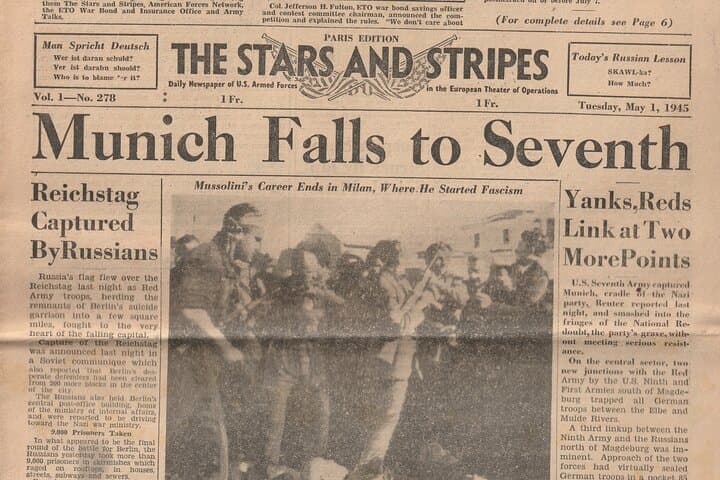
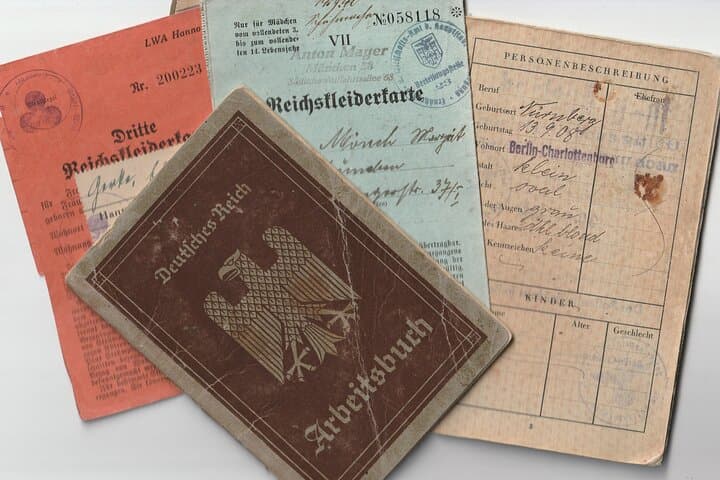

Stand in Marienplatz as the square hums with trams, church bells and the chatter of a modern city, then feel the past settle into the cobbles. This three-hour walking tour threads through Munich’s core—Sterneckerstraße, the Old and New Town Halls, the Residenz and the cathedral—tracing the city’s descent into political crisis and the wartime consequences that reshaped it.
Stand in Marienplatz as the square hums with trams, church bells and the chatter of a modern city, then feel the past settle into the cobbles. This three-hour walking tour threads through Munich’s core—Sterneckerstraße, the Old and New Town Halls, the Residenz and the cathedral—tracing the city’s descent into political crisis and the wartime consequences that reshaped it.
Guided by historians and heritage professionals, the route connects local landmarks to wider forces: post‑WWI economic collapse, the Treaty of Versailles, the early meetings of the Deutsche Arbeiterpartei, the Beer Hall Putsch and the escalation to nationwide violence culminating in Kristallnacht and Allied bombing campaigns. Architecture here is a palimpsest—medieval courtyards repaired after wartime damage, façades rebuilt to accommodate memory and function. Conversation balances factual accounts with reflection on civic responsibility and how Munich confronts its past today.
Practicalities are straightforward: small groups (max 10), a 3‑hour pace suited to most fitness levels, and stops at sites where guide commentary connects archival photos with present views. The tone is educational, not sensational—the focus is on understanding causes, effects and the social dynamics that allowed extremism to spread.
Expect city streets, stairs in historic buildings, and some standing during commentary. Bring a charged phone for photos and translation apps, wear comfortable shoes, and allow time after the tour to visit nearby museums or the Residenz for deeper context. This tour is as much about listening as it is about looking—Munich’s streets ask you to pay attention.