THE ADVENTURE COLLECTIVE® · Independent discovery and booking for outdoor travel

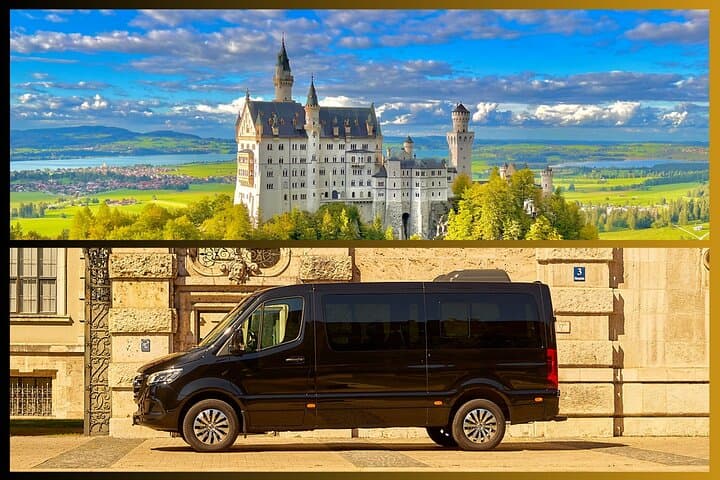
Travel by private Mercedes from Munich to the royal castles of Neuschwanstein and Hohenschwangau on a focused half-day with a multilingual guide. Expect fast routing past crowds, key viewpoints like Marienbrücke, and short uphill walks with sweeping Alpine foothill views.
Travel by private Mercedes from Munich to the royal castles of Neuschwanstein and Hohenschwangau on a focused half-day with a multilingual guide. Expect fast routing past crowds, key viewpoints like Marienbrücke, and short uphill walks with sweeping Alpine foothill views.
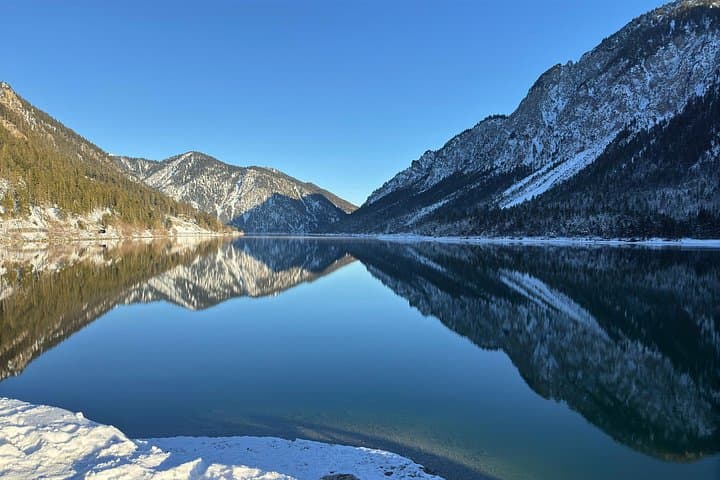
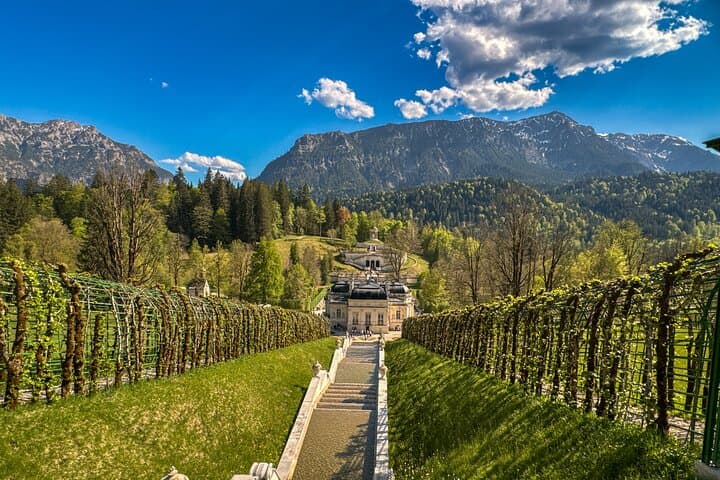
A low cloud lifts off the Bavarian foothills and the pale façade of Neuschwanstein appears, high on a limestone spur above the village of Hohenschwangau. On this private half-day from Munich the road narrows through fir-dark ravines and opens onto lakes that dare you to stop for a photograph—Marienbrücke’s vantage is often the first and most electric view.
Verified experiences and guided adventures in the surrounding area.
Operated by Chauffeurservice-Munich.com · Schwangau, Bavaria
A low cloud lifts off the Bavarian foothills and the pale façade of Neuschwanstein appears, high on a limestone spur above the village of Hohenschwangau. On this private half-day from Munich the road narrows through fir-dark ravines and opens onto lakes that dare you to stop for a photograph—Marienbrücke’s vantage is often the first and most electric view.
The castles here were shaped by 19th-century Romanticism and the disruptive ambitions of King Ludwig II. Geologically the site sits on Triassic limestone of the northern Alps’ edge; the steep approaches and scattered glacial lakes tell a story of ice and uplift. Culturally, Füssen and Schwangau were once alpine market towns whose fortunes turned royal when Ludwig commissioned Hohenschwangau and then Neuschwanstein as private stages for medieval fantasy.
Expect efficient, concierge-style guiding, skip-the-line routing on approach, and a mix of short uphill walks and viewpoints rather than long trails. Weather can change quickly at elevation—winds off the Prealps can make the bridge feel exposed—and summer crowds concentrate between late morning and mid-afternoon. Practicalities: bring layered outerwear, grippy shoes for the stone paths, and a small daypack; plan for several hundred meters of uphill walking from parking areas and uneven footing on viewing platforms.
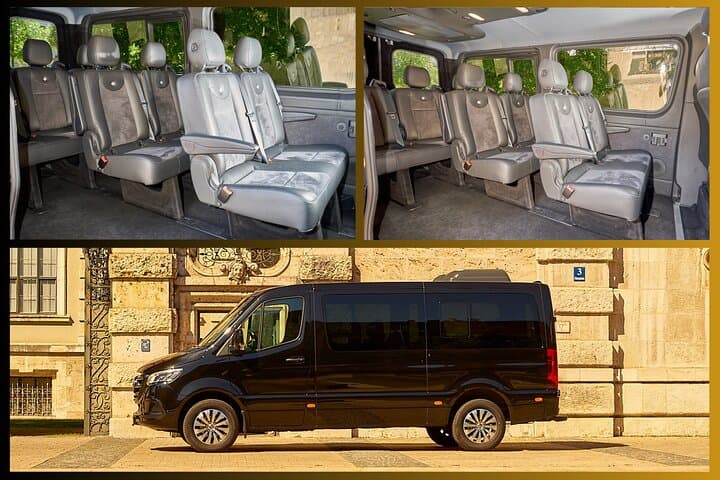
A private Mercedes sprinter absorbs the road time from Munich, and guides often book timed-entry tickets on guests’ behalf. For photographers, sunrise and late-afternoon light give the best tonal range; for light crowds, aim for a weekday outside German school holidays.
easy.
6–7 hours.
Light-moderate: must be able to walk short uphill sections and manage stairs and uneven surfaces
Interior admission is not automatically included; guides can arrange timed tickets for an additional fee and save time in queues.
The drive is roughly 1.5 to 2 hours each way depending on traffic; the itinerary allocates around seven hours total.
Short sections accommodate strollers, but some uphill walks and steps mean a baby carrier is more practical for interior visits.
Private tours are flexible—discuss desired stops with the guide when booking; extra time may require additional fees.
The castles reflect King Ludwig II’s 19th-century Romantic ideals and were built as private retreats evocative of medieval courtly life, transforming the local economy and landscape.
Heavy visitation stresses trails and viewing platforms—stay on marked paths, follow guide instructions, and avoid crowding fragile cliff edges to reduce erosion and impact.
Chauffeurservice-Munich.com operates guided outdoor trips and adventures with an emphasis on safety, stewardship, and memorable experiences.
A low cloud lifts off the Bavarian foothills and the pale façade of Neuschwanstein appears, high on a limestone spur above the village of Hohenschwangau. On this private half-day from Munich the road narrows through fir-dark ravines and opens onto lakes that dare you to stop for a photograph—Marienbrücke’s vantage is often the first and most electric view.
A low cloud lifts off the Bavarian foothills and the pale façade of Neuschwanstein appears, high on a limestone spur above the village of Hohenschwangau. On this private half-day from Munich the road narrows through fir-dark ravines and opens onto lakes that dare you to stop for a photograph—Marienbrücke’s vantage is often the first and most electric view.
The castles here were shaped by 19th-century Romanticism and the disruptive ambitions of King Ludwig II. Geologically the site sits on Triassic limestone of the northern Alps’ edge; the steep approaches and scattered glacial lakes tell a story of ice and uplift. Culturally, Füssen and Schwangau were once alpine market towns whose fortunes turned royal when Ludwig commissioned Hohenschwangau and then Neuschwanstein as private stages for medieval fantasy.
Expect efficient, concierge-style guiding, skip-the-line routing on approach, and a mix of short uphill walks and viewpoints rather than long trails. Weather can change quickly at elevation—winds off the Prealps can make the bridge feel exposed—and summer crowds concentrate between late morning and mid-afternoon. Practicalities: bring layered outerwear, grippy shoes for the stone paths, and a small daypack; plan for several hundred meters of uphill walking from parking areas and uneven footing on viewing platforms.
A private Mercedes sprinter absorbs the road time from Munich, and guides often book timed-entry tickets on guests’ behalf. For photographers, sunrise and late-afternoon light give the best tonal range; for light crowds, aim for a weekday outside German school holidays.