THE ADVENTURE COLLECTIVE® · Independent discovery and booking for outdoor travel

Turn a routine transfer into a short Bavarian road adventure: private door-to-door service from Munich to Dresden with a two-hour sightseeing stop of your choice. Ideal for travelers who want a stress-free ride and a focused taste of Regensburg, Nuremberg, Dachau, or another historic stop en route.
Turn a routine transfer into a short Bavarian road adventure: private door-to-door service from Munich to Dresden with a two-hour sightseeing stop of your choice. Ideal for travelers who want a stress-free ride and a focused taste of Regensburg, Nuremberg, Dachau, or another historic stop en route.
You slide into the back seat as Munich’s ring roads fall away and a corridor of wheat fields, beech woodlands and low hills opens up. The driver eases onto the autobahn; conversation shifts from practical—best arrival time in Dresden—to options for your two-hour stop: a somber walk around Dachau, a coffee beneath Regensburg’s stone arches, or Nuremberg’s castle rising over a medieval market square.
Verified experiences and guided adventures in the surrounding area.
Operated by CE Transfers · Munich, Bavaria
You slide into the back seat as Munich’s ring roads fall away and a corridor of wheat fields, beech woodlands and low hills opens up. The driver eases onto the autobahn; conversation shifts from practical—best arrival time in Dresden—to options for your two-hour stop: a somber walk around Dachau, a coffee beneath Regensburg’s stone arches, or Nuremberg’s castle rising over a medieval market square.
This route traces centuries of trade and conflict: Roman roads, medieval river commerce along the Danube, then the scars and reconstruction of Saxony after World War II that shaped modern Dresden’s baroque heart. Geology is gentle—limestone outcrops and river terraces—yet towns sit on layered histories where craftsmen, traders and political powers met.
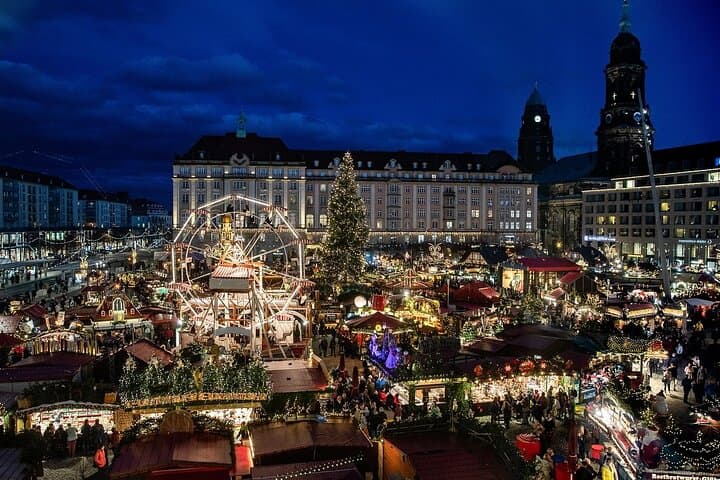
Culture arrives in bites: Bavarian beer gardens and Gothic spires in the south, Saxon porcelain and baroque facades in the east. If you travel late November, the Dresden Christmas markets open (Nov 26, 2025) and can turn a transfer into a seasonal highlight.
Practical guidance: confirm your preferred stop when booking and check opening hours—Dachau’s memorial requires reserved time if you want the museum. Vehicles are sized to group and luggage; luggage counts are strict, so pack by vehicle capacity. Expect 6–7 hours door-to-door depending on traffic and your stop. The driver is English-speaking and provides local context but not a licensed guided tour—plan time and tickets for museum entrances. Bring warm layers for quick walking stops, photocopies of travel documents, and a charged phone for mobile tickets. This is an efficient, flexible way to turn a transfer into a short, meaningful exploration of Bavaria and Saxony.
easy.
6–7 hours.
Minimal fitness required; able-bodied passengers comfortable with short walks of 30–90 minutes at the stop.
You can request stops like Dachau, Regensburg or Nuremberg; the driver will advise which options fit the schedule and vehicle route.
Suitcase allowance depends on vehicle: sedan up to 3, MPV up to 4, van up to 8—confirm at booking and pack accordingly.
No—the driver is English-speaking and knowledgeable about local life but is not a licensed guide; guided-entry tickets should be booked separately.
Full refund if you cancel at least 24 hours before pickup; cancellations within 24 hours are not refundable per the provider’s policy.
The corridor links medieval trade centers and later industrial routes; Dresden’s center was extensively rebuilt after WWII, while Bavarian towns retain medieval street plans.
Respect memorial sites and narrow historic streets—use designated parking and avoid idling to reduce local air and noise impact.
CE Transfers operates guided outdoor trips and adventures with an emphasis on safety, stewardship, and memorable experiences.

You slide into the back seat as Munich’s ring roads fall away and a corridor of wheat fields, beech woodlands and low hills opens up. The driver eases onto the autobahn; conversation shifts from practical—best arrival time in Dresden—to options for your two-hour stop: a somber walk around Dachau, a coffee beneath Regensburg’s stone arches, or Nuremberg’s castle rising over a medieval market square.
You slide into the back seat as Munich’s ring roads fall away and a corridor of wheat fields, beech woodlands and low hills opens up. The driver eases onto the autobahn; conversation shifts from practical—best arrival time in Dresden—to options for your two-hour stop: a somber walk around Dachau, a coffee beneath Regensburg’s stone arches, or Nuremberg’s castle rising over a medieval market square.
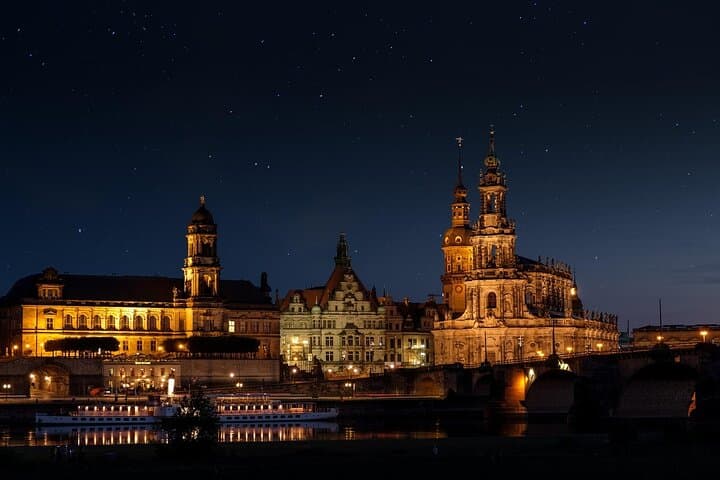
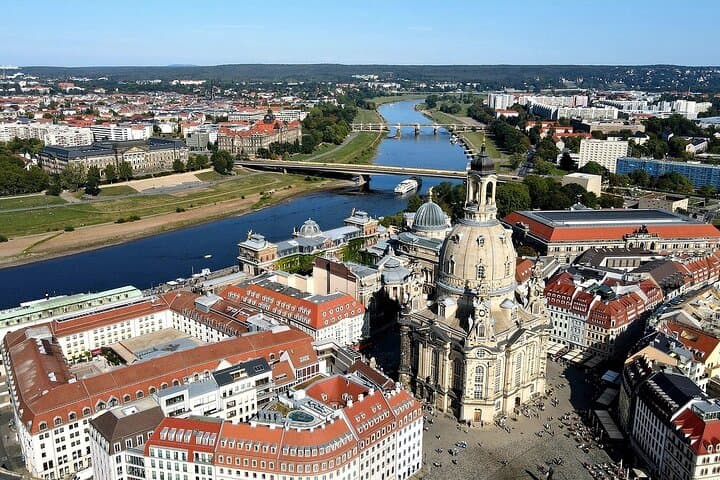
This route traces centuries of trade and conflict: Roman roads, medieval river commerce along the Danube, then the scars and reconstruction of Saxony after World War II that shaped modern Dresden’s baroque heart. Geology is gentle—limestone outcrops and river terraces—yet towns sit on layered histories where craftsmen, traders and political powers met.
Culture arrives in bites: Bavarian beer gardens and Gothic spires in the south, Saxon porcelain and baroque facades in the east. If you travel late November, the Dresden Christmas markets open (Nov 26, 2025) and can turn a transfer into a seasonal highlight.
Practical guidance: confirm your preferred stop when booking and check opening hours—Dachau’s memorial requires reserved time if you want the museum. Vehicles are sized to group and luggage; luggage counts are strict, so pack by vehicle capacity. Expect 6–7 hours door-to-door depending on traffic and your stop. The driver is English-speaking and provides local context but not a licensed guided tour—plan time and tickets for museum entrances. Bring warm layers for quick walking stops, photocopies of travel documents, and a charged phone for mobile tickets. This is an efficient, flexible way to turn a transfer into a short, meaningful exploration of Bavaria and Saxony.