THE ADVENTURE COLLECTIVE® · Independent discovery and booking for outdoor travel

Escape Seoul for a private day in Mungyeong: hike the historic Saejae pass, walk beside UNESCO-designated doline wetlands, and unwind in Eco Valley. This customizable day tour balances light history, unique geology, and restorative nature just 90 minutes by KTX.
Escape Seoul for a private day in Mungyeong: hike the historic Saejae pass, walk beside UNESCO-designated doline wetlands, and unwind in Eco Valley. This customizable day tour balances light history, unique geology, and restorative nature just 90 minutes by KTX.
You step off the KTX and the city’s white noise thins into wind through oak and pine — the trailhead at Mungyeong feels like a deliberate exhale. The Saejae historic pass opens with stone markers and well-worn switchbacks that once carried Joseon-era merchants; the path still remembers the scrape of cartwheels and the cadence of traders.
Verified experiences and guided adventures in the surrounding area.
Operated by K-Local Tour · Mungyeong, North Gyeongsang Province
You step off the KTX and the city’s white noise thins into wind through oak and pine — the trailhead at Mungyeong feels like a deliberate exhale. The Saejae historic pass opens with stone markers and well-worn switchbacks that once carried Joseon-era merchants; the path still remembers the scrape of cartwheels and the cadence of traders.
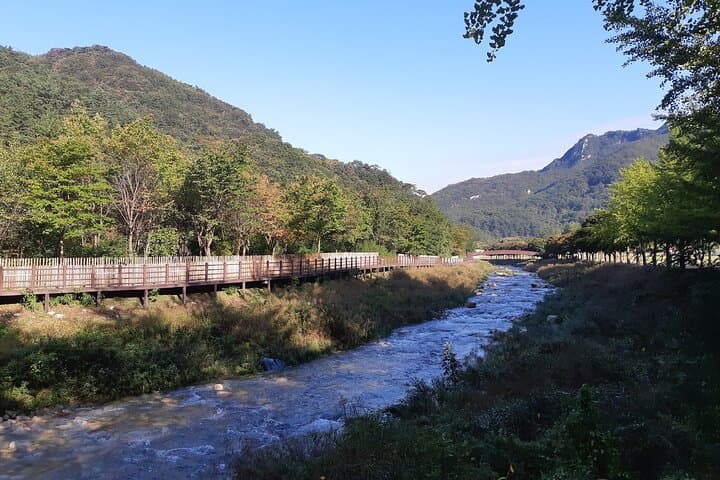
Saejae’s ridgelines cut through folded sedimentary rock, telling a slow geological story of inland seas and limestone dissolution that created the region’s doline wetlands — a rare, sinkhole-dominated ecosystem now protected as an international wetland site. Along the way, Eco Valley’s pools and slow streams suggest a quieter rhythm: water daring you to slow down and listen.
Culturally the area mixes rural Gyeongsang hospitality with coal-mining heritage at ECO World and small wineries tucked into hillsides; there’s a wine cave and a fortress ruin on Gomo Mountain to explore for those who linger. Guides here combine natural history with practical route knowledge and can tailor the day — from a relaxed Saejae walk to optional rail-biking or zipline add-ons.
Practical guide: plan for a full day (most private tours run 8–9 hours including transport), wear sturdy shoes and layered clothing, and bring water and snacks — services are limited outside town. The trail is well-marked but uneven; expect roots, stone steps, and brief elevation gains. Morning light is best for photos and cooler hiking, while late afternoon brings long shadows across the wetlands. Leave no trace, follow your guide’s route choices, and allow time to visit the mining exhibits or a local wine cave after the hike.
moderate.
8–9 hours.
Suitable for hikers with moderate fitness who can handle several hours of walking with short steep sections
The main Saejae trail is moderate—well-maintained but with stone steps and short climbs; most travelers with average fitness complete it comfortably.
Yes—the region’s sinkhole wetlands are internationally recognized and managed for conservation; guided visits follow established paths to reduce impact.
Many tours include private transfer from nearby rail hubs; the KTX from Seoul to a nearby station is about 90 minutes from Pangyo, and private pickup at Mungyeong station is common.
Those are optional add-ons—book in advance with the operator as availability and weather constraints vary.
Saejae served as a strategic mountain pass during the Joseon Dynasty; stone markers and trade routes reflect its role in regional commerce and travel.
The doline wetlands are protected to preserve unique karst hydrology and habitat; stick to trails, avoid trampling marsh vegetation, and follow guide instructions to minimize impact.
K-Local Tour operates guided outdoor trips and adventures with an emphasis on safety, stewardship, and memorable experiences.
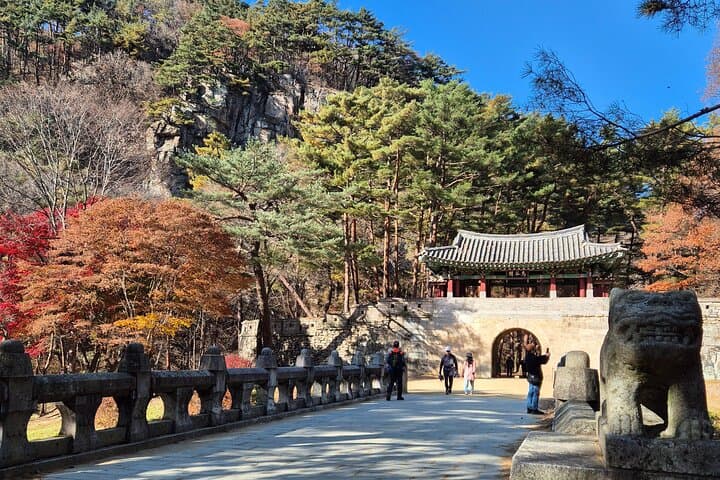
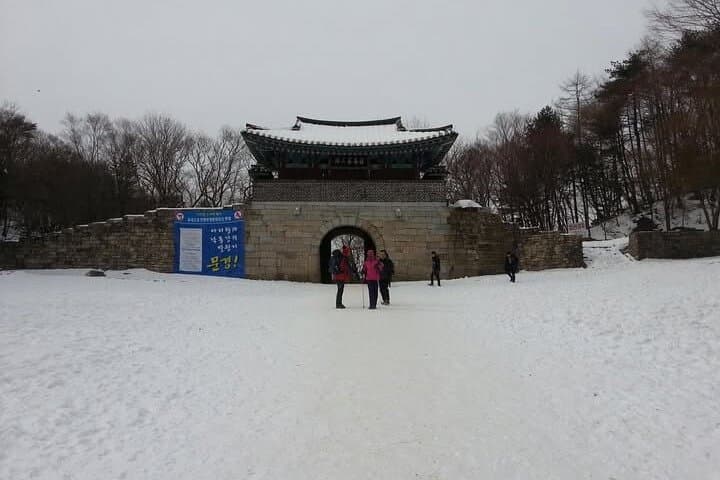
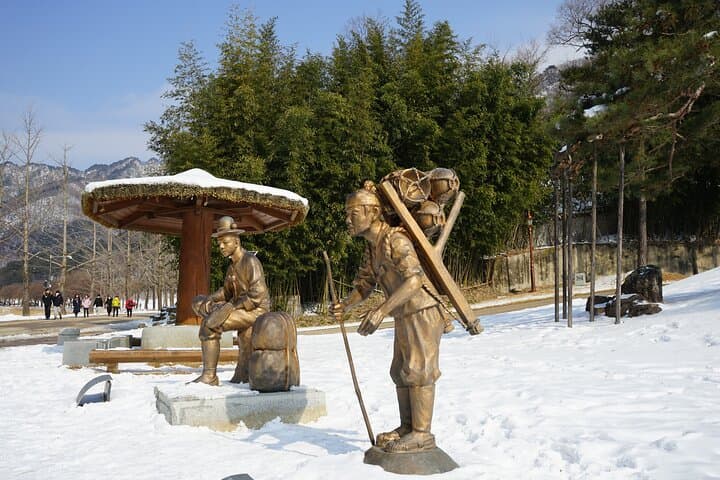
You step off the KTX and the city’s white noise thins into wind through oak and pine — the trailhead at Mungyeong feels like a deliberate exhale. The Saejae historic pass opens with stone markers and well-worn switchbacks that once carried Joseon-era merchants; the path still remembers the scrape of cartwheels and the cadence of traders.
You step off the KTX and the city’s white noise thins into wind through oak and pine — the trailhead at Mungyeong feels like a deliberate exhale. The Saejae historic pass opens with stone markers and well-worn switchbacks that once carried Joseon-era merchants; the path still remembers the scrape of cartwheels and the cadence of traders.
Saejae’s ridgelines cut through folded sedimentary rock, telling a slow geological story of inland seas and limestone dissolution that created the region’s doline wetlands — a rare, sinkhole-dominated ecosystem now protected as an international wetland site. Along the way, Eco Valley’s pools and slow streams suggest a quieter rhythm: water daring you to slow down and listen.
Culturally the area mixes rural Gyeongsang hospitality with coal-mining heritage at ECO World and small wineries tucked into hillsides; there’s a wine cave and a fortress ruin on Gomo Mountain to explore for those who linger. Guides here combine natural history with practical route knowledge and can tailor the day — from a relaxed Saejae walk to optional rail-biking or zipline add-ons.
Practical guide: plan for a full day (most private tours run 8–9 hours including transport), wear sturdy shoes and layered clothing, and bring water and snacks — services are limited outside town. The trail is well-marked but uneven; expect roots, stone steps, and brief elevation gains. Morning light is best for photos and cooler hiking, while late afternoon brings long shadows across the wetlands. Leave no trace, follow your guide’s route choices, and allow time to visit the mining exhibits or a local wine cave after the hike.