THE ADVENTURE COLLECTIVE® · Independent discovery and booking for outdoor travel

Learn Balinese cooking in a Munduk family kitchen, gathering ingredients from organic gardens and finishing with a visit to a nearby waterfall. This four-hour home-based experience blends hands-on instruction with a short nature walk.
Learn Balinese cooking in a Munduk family kitchen, gathering ingredients from organic gardens and finishing with a visit to a nearby waterfall. This four-hour home-based experience blends hands-on instruction with a short nature walk.
You arrive on a narrow village lane where the air smells of wet earth and lemongrass; a low house with an open kitchen waits, and steam rises from a pot the color of turmeric. The class begins in a family garden—hands in soil selecting basil, galangal, and chili—then moves to a wood-fired stove where a local cook talks through spice blends and the techniques that give Balinese food its punch.
Verified experiences and guided adventures in the surrounding area.
Operated by Munduk danu bali tour · Munduk, Bali
You arrive on a narrow village lane where the air smells of wet earth and lemongrass; a low house with an open kitchen waits, and steam rises from a pot the color of turmeric. The class begins in a family garden—hands in soil selecting basil, galangal, and chili—then moves to a wood-fired stove where a local cook talks through spice blends and the techniques that give Balinese food its punch.
Munduk sits in Bali’s volcanic uplands, a place shaped by lava, rainfall, and terraced agriculture. The community here grows coffee, cloves, and vegetables in small plots; those same ingredients anchor Balinese cuisine, which blends Hindu-Balinese ritual with Austronesian and colonial influences. After lunch, the program often includes a short walk to a nearby cascade—water that finds its voice in narrow channels and drops a few flights, cooling the valley air.
Practicalities are straightforward: the full experience runs about four hours, typically includes hotel pickup from Ubud or nearby towns, and is suitable for most fitness levels. Expect uneven garden paths and a few steps at the waterfall; wear rubber-soled shoes, bring a quick-dry shirt, and plan for sudden showers during the wet season. Dietary needs can be accommodated if advised in advance. Photography is welcomed, but ask before photographing inside a family home.
This is less a formal cooking school and more a hosted cultural exchange—food as instruction, gardens as pantry, and a brief walk into Bali’s green spine to close the day. For travelers who want hands-on learning, fresh ingredients, and a short nature stop, it’s a compact, authentic taste of rural Balinese life.
easy.
4 hours.
Suitable for most fitness levels; involves short, easy walks and standing while cooking.
Tours typically include round-trip transport from Ubud or nearby pickup points; confirm your pickup location at booking.
Yes—inform the operator ahead of time so the host can adjust ingredients and menu.
Expect brief garden walks (10–30 minutes total) on uneven ground and a short path with steps to the waterfall.
Most instructors and local guides speak conversational English; a translator-style approach is used during hands-on instruction.
Munduk’s farms grew from volcanic soils and centuries of smallholder agriculture; local cooking reflects a mix of Balinese Hindu ritual, spice cultivation, and household techniques passed down generations.
The program supports household economies and promotes organic gardening; travelers are encouraged to avoid single-use plastics and respect private plots.
Munduk danu bali tour operates guided outdoor trips and adventures with an emphasis on safety, stewardship, and memorable experiences.
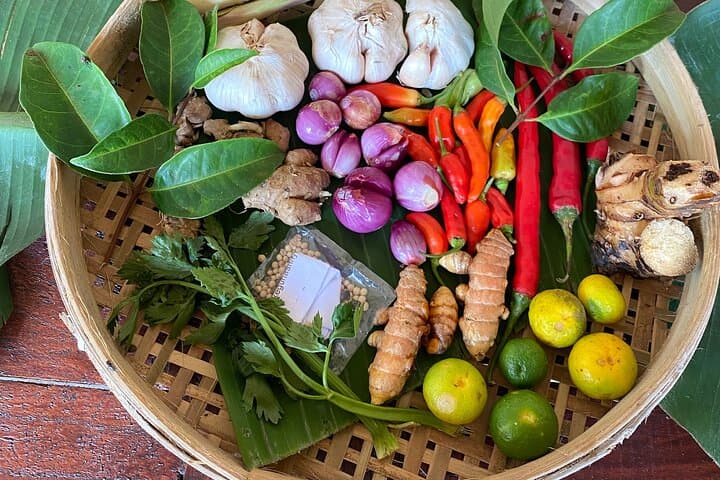
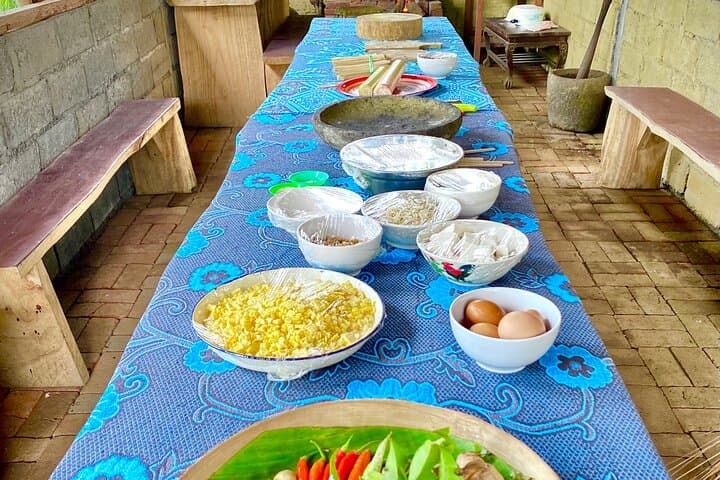
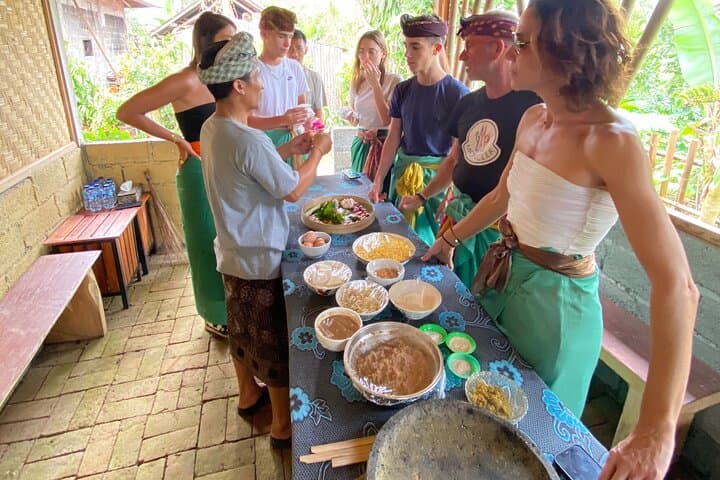
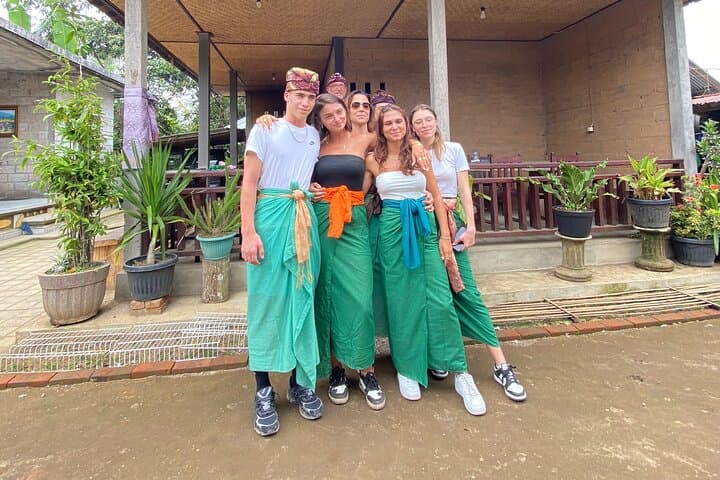
You arrive on a narrow village lane where the air smells of wet earth and lemongrass; a low house with an open kitchen waits, and steam rises from a pot the color of turmeric. The class begins in a family garden—hands in soil selecting basil, galangal, and chili—then moves to a wood-fired stove where a local cook talks through spice blends and the techniques that give Balinese food its punch.
You arrive on a narrow village lane where the air smells of wet earth and lemongrass; a low house with an open kitchen waits, and steam rises from a pot the color of turmeric. The class begins in a family garden—hands in soil selecting basil, galangal, and chili—then moves to a wood-fired stove where a local cook talks through spice blends and the techniques that give Balinese food its punch.
Munduk sits in Bali’s volcanic uplands, a place shaped by lava, rainfall, and terraced agriculture. The community here grows coffee, cloves, and vegetables in small plots; those same ingredients anchor Balinese cuisine, which blends Hindu-Balinese ritual with Austronesian and colonial influences. After lunch, the program often includes a short walk to a nearby cascade—water that finds its voice in narrow channels and drops a few flights, cooling the valley air.
Practicalities are straightforward: the full experience runs about four hours, typically includes hotel pickup from Ubud or nearby towns, and is suitable for most fitness levels. Expect uneven garden paths and a few steps at the waterfall; wear rubber-soled shoes, bring a quick-dry shirt, and plan for sudden showers during the wet season. Dietary needs can be accommodated if advised in advance. Photography is welcomed, but ask before photographing inside a family home.
This is less a formal cooking school and more a hosted cultural exchange—food as instruction, gardens as pantry, and a brief walk into Bali’s green spine to close the day. For travelers who want hands-on learning, fresh ingredients, and a short nature stop, it’s a compact, authentic taste of rural Balinese life.