THE ADVENTURE COLLECTIVE® · Independent discovery and booking for outdoor travel

Step inside MUNBA in Mazatlán to experience life-size whale skeletons, VR anatomy demos and interactive exhibits that explain Pacific migrations and local marine culture. Perfect for families and curious travelers, the museum blends science, conservation and hands-on learning.
Step inside MUNBA in Mazatlán to experience life-size whale skeletons, VR anatomy demos and interactive exhibits that explain Pacific migrations and local marine culture. Perfect for families and curious travelers, the museum blends science, conservation and hands-on learning.
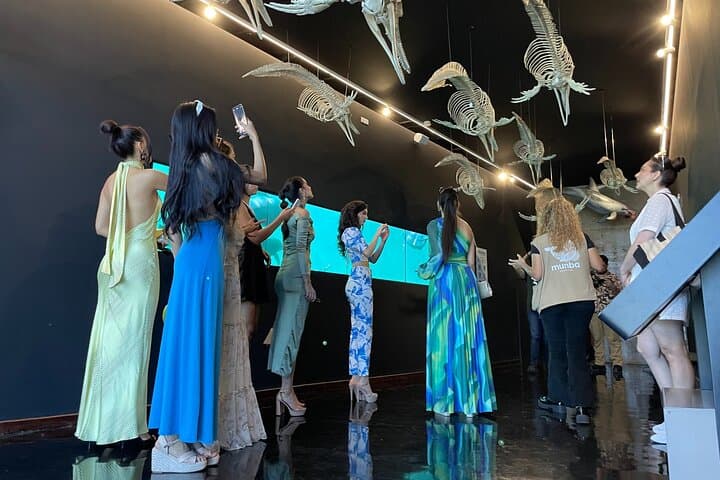
You step through the museum doors and the sound of recorded whale calls fills the air—low, layered vibrations that shift the room’s scale until a skeleton dominates the space like an opened map of the ocean.
Verified experiences and guided adventures in the surrounding area.
Operated by Shekinah Beach Club · Mazatlán, Sinaloa
You step through the museum doors and the sound of recorded whale calls fills the air—low, layered vibrations that shift the room’s scale until a skeleton dominates the space like an opened map of the ocean.
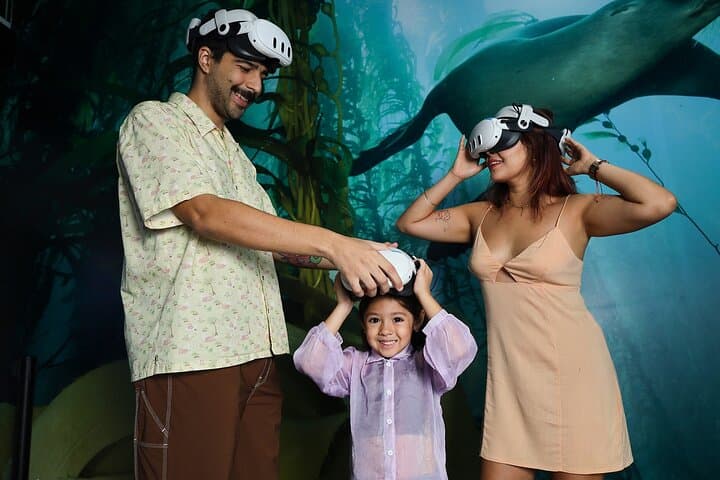
MUNBA (Museo Nacional de la Ballena) in Mazatlán pairs immersive tech—virtual reality, augmented-reality displays and reverse X-ray demos—with one of Latin America’s largest osteological collections. The exhibits trace local marine geology and ecology: seasonal whale migrations along the Pacific coast, upwelling that fuels rich fisheries, and the cultural ties between Mazatlán’s port communities and the sea.
Historically, Mazatlán grew as a Pacific port where fishermen, merchants and scientists converged; MUNBA frames that working heritage through skeletons, charts and oral histories. The museum’s standout is the world’s only sperm whale calf skeleton on public display, a rare specimen that anchors lessons about life histories and human impact.
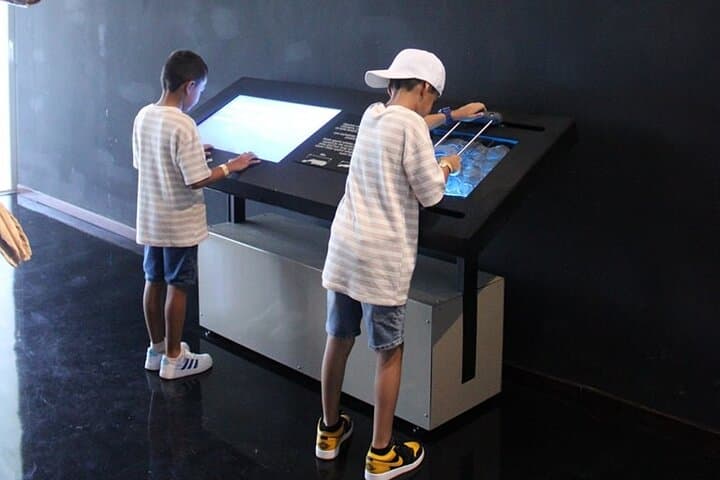
Transitioning to the practical: allow 2–3 hours for a paced visit, more with children. Exhibits are stroller- and wheelchair-accessible; VR and hands-on stations have supervised kids’ programming. Tickets are mobile-friendly with skip-the-line options; the on-site café and museum shop support conservation programs. Expect indoor climate control, brief multimedia queues, and clear signage in Spanish and English.
Plan mornings to avoid the late-afternoon school groups, charge devices for VR exhibits, and factor time to walk the nearby Malecón for a seawatch after your visit. MUNBA is both an educational stop and a launch point for understanding the Pacific that pushes against Mazatlán’s shore.
easy.
2–3 hours.
Suitable for all fitness levels; minimal walking and step-free access throughout most exhibits
Most visitors spend 2–3 hours exploring galleries, using VR stations and visiting the children’s area; families may want extra time.
Yes. MUNBA is wheelchair- and stroller-accessible with ramps and accessible restrooms; some interactive stations may require assistance.
Key exhibit panels and multimedia presentations are available in Spanish and English; staff can often provide additional explanations.
Yes. The museum has a supervised Kids’ Zone with hands-on activities and games designed for young visitors.
Mazatlán developed as a Pacific port in the 19th century; the museum ties that maritime history to contemporary marine science and community livelihoods.
MUNBA funds and educates on marine conservation—exhibits focus on species protection, plastics reduction and responsible coastal tourism.
Shekinah Beach Club operates guided outdoor trips and adventures with an emphasis on safety, stewardship, and memorable experiences.

You step through the museum doors and the sound of recorded whale calls fills the air—low, layered vibrations that shift the room’s scale until a skeleton dominates the space like an opened map of the ocean.
You step through the museum doors and the sound of recorded whale calls fills the air—low, layered vibrations that shift the room’s scale until a skeleton dominates the space like an opened map of the ocean.
MUNBA (Museo Nacional de la Ballena) in Mazatlán pairs immersive tech—virtual reality, augmented-reality displays and reverse X-ray demos—with one of Latin America’s largest osteological collections. The exhibits trace local marine geology and ecology: seasonal whale migrations along the Pacific coast, upwelling that fuels rich fisheries, and the cultural ties between Mazatlán’s port communities and the sea.
Historically, Mazatlán grew as a Pacific port where fishermen, merchants and scientists converged; MUNBA frames that working heritage through skeletons, charts and oral histories. The museum’s standout is the world’s only sperm whale calf skeleton on public display, a rare specimen that anchors lessons about life histories and human impact.
Transitioning to the practical: allow 2–3 hours for a paced visit, more with children. Exhibits are stroller- and wheelchair-accessible; VR and hands-on stations have supervised kids’ programming. Tickets are mobile-friendly with skip-the-line options; the on-site café and museum shop support conservation programs. Expect indoor climate control, brief multimedia queues, and clear signage in Spanish and English.
Plan mornings to avoid the late-afternoon school groups, charge devices for VR exhibits, and factor time to walk the nearby Malecón for a seawatch after your visit. MUNBA is both an educational stop and a launch point for understanding the Pacific that pushes against Mazatlán’s shore.