THE ADVENTURE COLLECTIVE® · Independent discovery and booking for outdoor travel

An 11-day path from Mumbai’s coastal bustle through Rajasthan’s hill forts to the sunrise at the Taj Mahal. Expect historic palaces, step-wells, and vivid bazaars linked by scenic drives and short domestic flights.
An 11-day path from Mumbai’s coastal bustle through Rajasthan’s hill forts to the sunrise at the Taj Mahal. Expect historic palaces, step-wells, and vivid bazaars linked by scenic drives and short domestic flights.
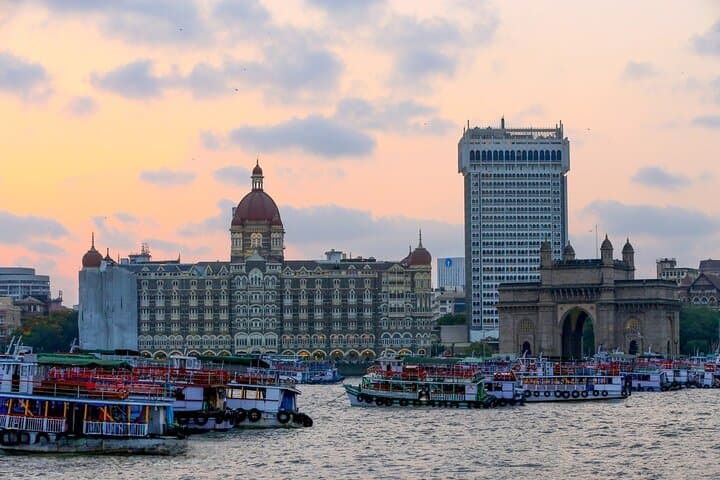
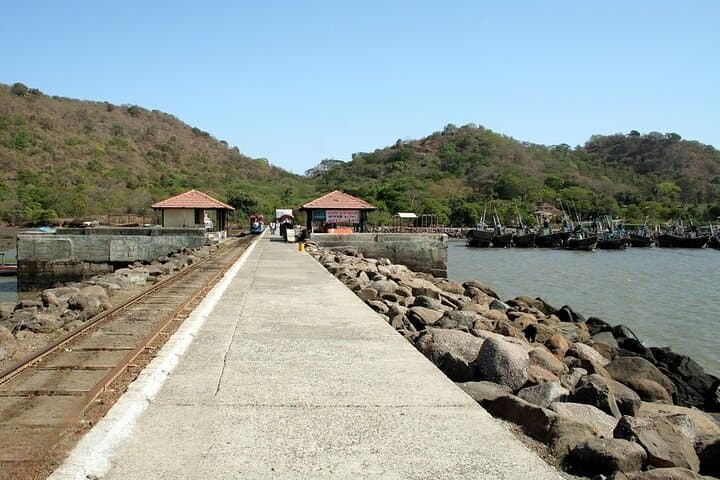
You step off the plane into Mumbai’s humid dawn, the Arabian Sea nudging the city awake as traffic hums like a distant drum. From the Gateway of India ferry crossing to the carved hush of Elephanta, the first day primes your senses for contrasts—marble mausoleums, arid hillforts, and satin-blue houses stacked on rocky ridges.
Verified experiences and guided adventures in the surrounding area.
Operated by Agora Voyages Pvt. Ltd. · Mumbai, Maharashtra
You step off the plane into Mumbai’s humid dawn, the Arabian Sea nudging the city awake as traffic hums like a distant drum. From the Gateway of India ferry crossing to the carved hush of Elephanta, the first day primes your senses for contrasts—marble mausoleums, arid hillforts, and satin-blue houses stacked on rocky ridges.
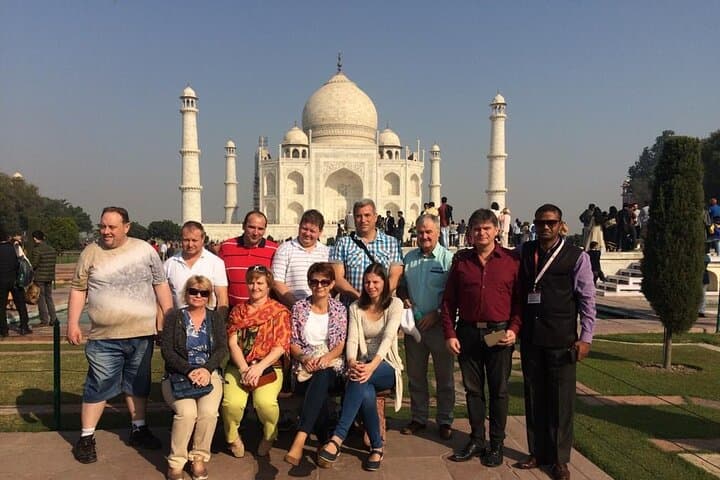
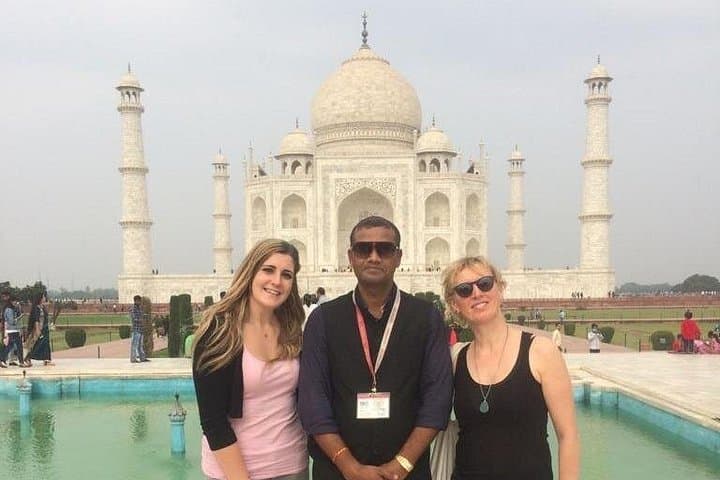
This route threads colonial Mumbai with Rajasthan’s Rajput forts and Mughal monuments. Geology shifts from low coastal plains into the ancient Aravalli Range—rounded, weathered hills that have guided trade and pilgrimage for centuries. In Udaipur, man-made lakes reflect palaces built to court both light and power; in Jodhpur Mehrangarh perches on a rocky outcrop, its ramparts quarrying history from stone. Agra’s Taj Mahal, a 17th-century Mughal commission, reads as both engineering feat and cultural shorthand for love and imperial ambition.
Local markets punctuate the trip—spice-scented lanes in Old Delhi, textile alleys in Jaipur, craft stalls in Shilpgram—where artisans keep techniques passed through generations. Expect mornings of guided sightseeing and afternoons of slow discovery, with private AC transport linking cities: key drives range from Udaipur to Jodhpur (~265 km) and Jaipur to Agra (~245 km). Flights connect longer legs, like Mumbai–Udaipur.
Practical edge: travel light but respectful—cover shoulders in religious sites, carry cash for bazaars, and book sunrise Taj tickets to avoid crowds. Stay hydrated in Rajasthan’s heat, balance walking with vehicle transfers, and allow time for unplanned stops; the real reward is the space between monuments where local life keeps moving.
easy.
11–12 days.
Suitable for travelers in average fitness; mostly guided city walking with vehicle transfers. Be prepared for uneven surfaces and short stair climbs.
Monument entrances listed in the itinerary are included where specified; check your booking details for which sites are covered.
Most visitors require a valid visa before arrival—check your country’s requirements and apply for the appropriate tourist visa well in advance.
Several days feature multi-hour drives (e.g., Udaipur–Jodhpur ~265 km, Jaipur–Agra ~245 km); comfort breaks and stops at heritage sites are built into the schedule.
The tour is rated easy but includes stairs, uneven surfaces, and some walking; it’s generally family-friendly, though mobility assistance may be needed at certain sites.
This circuit highlights Mughal and Rajput legacies: the Taj was commissioned in 1632 by Shah Jahan, while Rajasthan’s forts reflect centuries of Rajput statecraft and hilltop defense.
High visitor numbers at iconic sites strain local resources; minimize plastic waste, respect restricted areas and support certified local craft cooperatives to boost sustainable tourism.
Agora Voyages Pvt. Ltd. operates guided outdoor trips and adventures with an emphasis on safety, stewardship, and memorable experiences.
You step off the plane into Mumbai’s humid dawn, the Arabian Sea nudging the city awake as traffic hums like a distant drum. From the Gateway of India ferry crossing to the carved hush of Elephanta, the first day primes your senses for contrasts—marble mausoleums, arid hillforts, and satin-blue houses stacked on rocky ridges.
You step off the plane into Mumbai’s humid dawn, the Arabian Sea nudging the city awake as traffic hums like a distant drum. From the Gateway of India ferry crossing to the carved hush of Elephanta, the first day primes your senses for contrasts—marble mausoleums, arid hillforts, and satin-blue houses stacked on rocky ridges.
This route threads colonial Mumbai with Rajasthan’s Rajput forts and Mughal monuments. Geology shifts from low coastal plains into the ancient Aravalli Range—rounded, weathered hills that have guided trade and pilgrimage for centuries. In Udaipur, man-made lakes reflect palaces built to court both light and power; in Jodhpur Mehrangarh perches on a rocky outcrop, its ramparts quarrying history from stone. Agra’s Taj Mahal, a 17th-century Mughal commission, reads as both engineering feat and cultural shorthand for love and imperial ambition.
Local markets punctuate the trip—spice-scented lanes in Old Delhi, textile alleys in Jaipur, craft stalls in Shilpgram—where artisans keep techniques passed through generations. Expect mornings of guided sightseeing and afternoons of slow discovery, with private AC transport linking cities: key drives range from Udaipur to Jodhpur (~265 km) and Jaipur to Agra (~245 km). Flights connect longer legs, like Mumbai–Udaipur.
Practical edge: travel light but respectful—cover shoulders in religious sites, carry cash for bazaars, and book sunrise Taj tickets to avoid crowds. Stay hydrated in Rajasthan’s heat, balance walking with vehicle transfers, and allow time for unplanned stops; the real reward is the space between monuments where local life keeps moving.