THE ADVENTURE COLLECTIVE® · Independent discovery and booking for outdoor travel

An eight-day private tour from Mumbai that combines city landmarks, UNESCO rock-cut caves and three revered Jyotirlinga temples across Maharashtra. Expect ferry rides to Elephanta, guided walks through Ellora and Ajanta, and a nature break in the Sahyadris at Bhimashankar.
An eight-day private tour from Mumbai that combines city landmarks, UNESCO rock-cut caves and three revered Jyotirlinga temples across Maharashtra. Expect ferry rides to Elephanta, guided walks through Ellora and Ajanta, and a nature break in the Sahyadris at Bhimashankar.
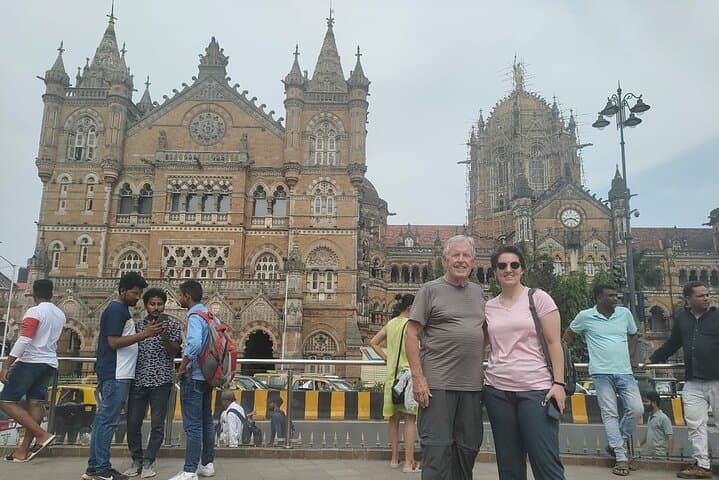
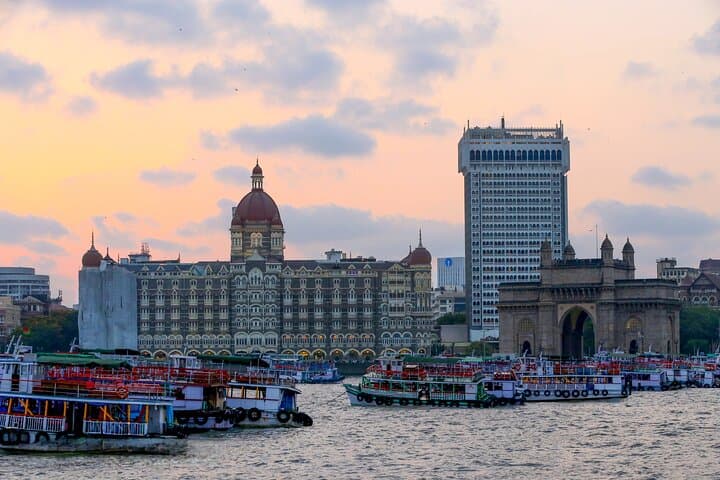
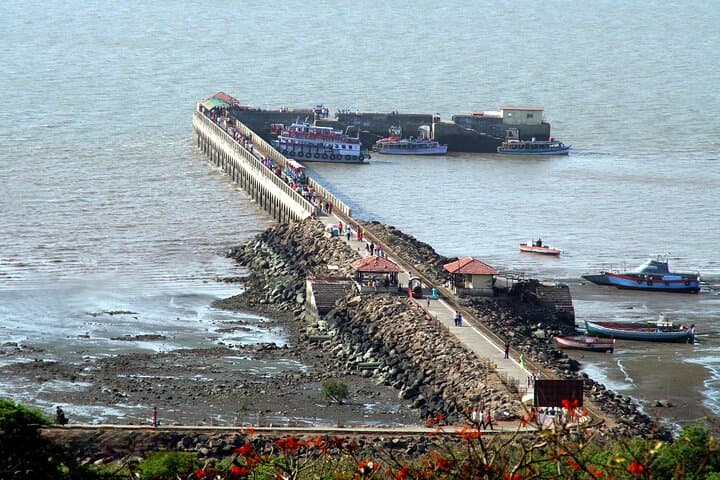
You arrive into Mumbai with the humidity and honking dissipating into the steady rhythm of the city; a ferry slices the Arabian Sea toward Elephanta's shadowed rock-cut sanctuaries and the sound of bells tugs at the edge of your attention.
Verified experiences and guided adventures in the surrounding area.
Operated by Agora Voyages Pvt. Ltd. · Mumbai, Maharashtra
You arrive into Mumbai with the humidity and honking dissipating into the steady rhythm of the city; a ferry slices the Arabian Sea toward Elephanta's shadowed rock-cut sanctuaries and the sound of bells tugs at the edge of your attention.
This eight-day route threads city streets, ancient cave temples and forested highlands—Elephanta and the Ellora and Ajanta complexes trace India’s layered religious history from Buddhist monasteries to Shaivite shrines. The Jyotirlingas at Trimbakeshwar, Grishneshwar and Bhimashankar are pilgrimage sites that map devotional practice onto geological time: volcanic and basalt flows of the Deccan Traps were carved into shrines and stupas over centuries.
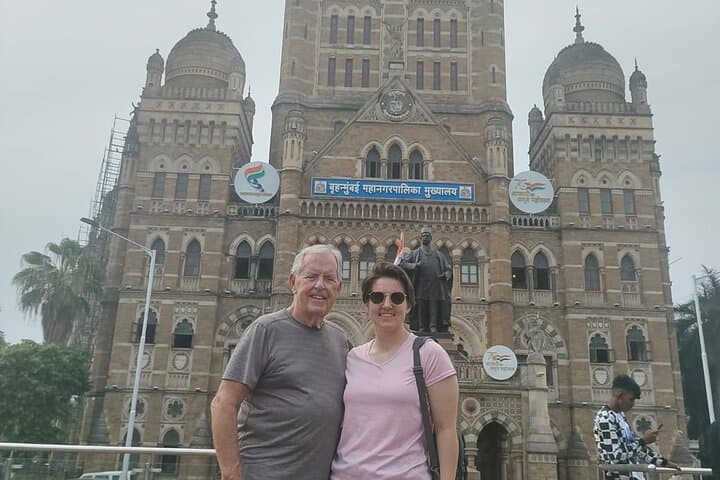
Culturally the trip moves from Mumbai’s colonial-era gateways and museums to Nashik’s ritual ghats and Aurangabad’s Mughal-era echoes; local guides illuminate temple rites and the stories behind icons and rock reliefs. The Sahyadri Hills around Bhimashankar offer a counterpoint—forests that watch over streams and wildlife, and a chance to feel the landscape push back against the flat Deccan plain.
Practical guidance: plan modest, layered clothing for temple entry rules, and allow extra time for ferries and local transport. Expect a lot of short walks and steps at caves and forts—good walking shoes matter more than mountaineering gear. Hydrate frequently in lowland heat and carry a reusable bottle; mornings are best for open-site visits to avoid crowds and harsh light. Carry small notes for donations, photocopies of ID for monument entry, and download offline maps—the route runs through places with intermittent service. With a private vehicle and local guides included, this itinerary balances focused worship, sustained history and accessible nature without strenuous technical demands.
easy.
7–8 days.
Suitable for travelers in average fitness: involves short to moderate walks, steps, and some uneven rock surfaces.
Yes—most temples require shoe removal before entering inner sanctums; bring socks or be prepared to walk barefoot on stone floors.
Monument entrances listed in the itinerary are included and local guides are provided for sightseeing days as specified in the tour inclusions.
The itinerary is rated easy and accessible, with vehicle transfers between sites, but expect stairs and uneven surfaces—notify operators of mobility needs in advance.
October–March offers cooler, drier conditions for cave visits and hill walks, while monsoon months bring dramatic greenery but can disrupt ferry and road schedules.
The route connects ancient religious art—Ajanta’s Buddhist murals and Ellora’s Shaivite and Vaishnavite caves—with living Hindu pilgrimage traditions centered on the Jyotirlingas.
Cave sites are vulnerable to moisture and touch; follow signage, avoid flash photography where prohibited, and respect sanctuary guidelines to minimize impact on local wildlife.
Agora Voyages Pvt. Ltd. operates guided outdoor trips and adventures with an emphasis on safety, stewardship, and memorable experiences.
You arrive into Mumbai with the humidity and honking dissipating into the steady rhythm of the city; a ferry slices the Arabian Sea toward Elephanta's shadowed rock-cut sanctuaries and the sound of bells tugs at the edge of your attention.
You arrive into Mumbai with the humidity and honking dissipating into the steady rhythm of the city; a ferry slices the Arabian Sea toward Elephanta's shadowed rock-cut sanctuaries and the sound of bells tugs at the edge of your attention.
This eight-day route threads city streets, ancient cave temples and forested highlands—Elephanta and the Ellora and Ajanta complexes trace India’s layered religious history from Buddhist monasteries to Shaivite shrines. The Jyotirlingas at Trimbakeshwar, Grishneshwar and Bhimashankar are pilgrimage sites that map devotional practice onto geological time: volcanic and basalt flows of the Deccan Traps were carved into shrines and stupas over centuries.
Culturally the trip moves from Mumbai’s colonial-era gateways and museums to Nashik’s ritual ghats and Aurangabad’s Mughal-era echoes; local guides illuminate temple rites and the stories behind icons and rock reliefs. The Sahyadri Hills around Bhimashankar offer a counterpoint—forests that watch over streams and wildlife, and a chance to feel the landscape push back against the flat Deccan plain.
Practical guidance: plan modest, layered clothing for temple entry rules, and allow extra time for ferries and local transport. Expect a lot of short walks and steps at caves and forts—good walking shoes matter more than mountaineering gear. Hydrate frequently in lowland heat and carry a reusable bottle; mornings are best for open-site visits to avoid crowds and harsh light. Carry small notes for donations, photocopies of ID for monument entry, and download offline maps—the route runs through places with intermittent service. With a private vehicle and local guides included, this itinerary balances focused worship, sustained history and accessible nature without strenuous technical demands.