THE ADVENTURE COLLECTIVE® · Independent discovery and booking for outdoor travel

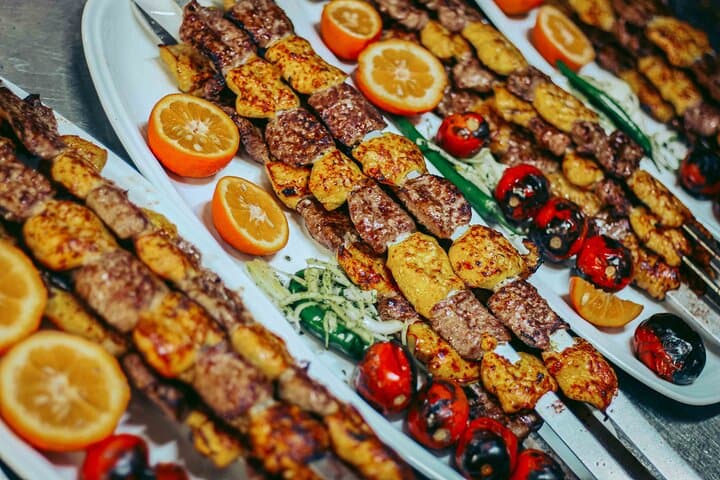
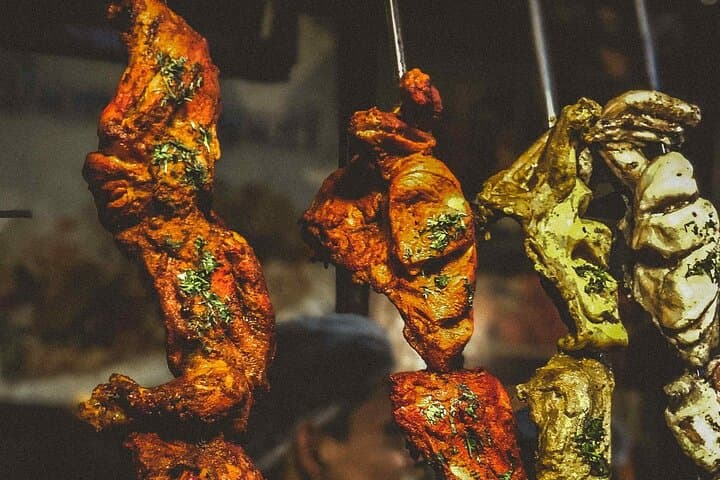
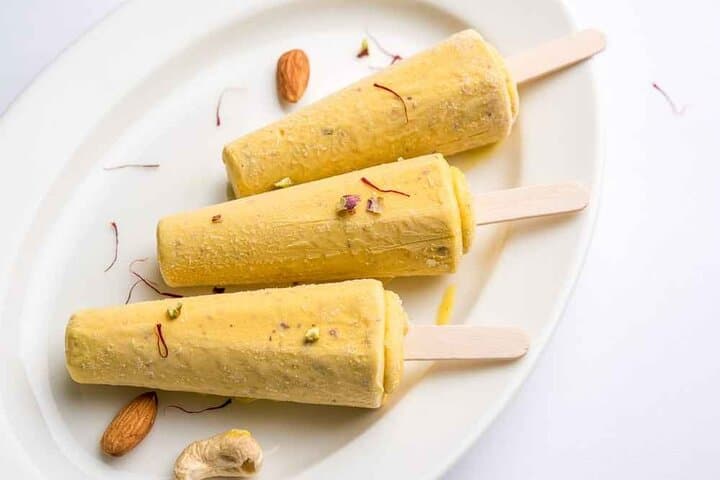
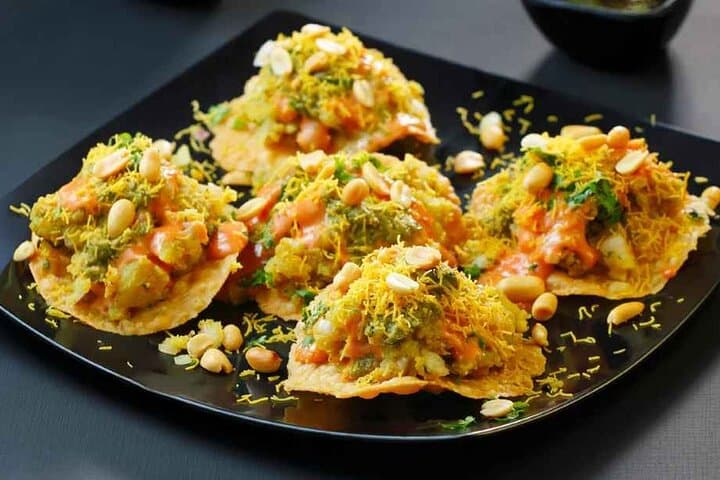
Navigate Mumbai’s busiest bazaars by taste on a guided five‑hour street food tour. Sample pav bhaji, sev puri, seekh kebab and kulfi while your guide explains the city’s culinary history and practical tips for safe, flavorful eating.
Navigate Mumbai’s busiest bazaars by taste on a guided five‑hour street food tour. Sample pav bhaji, sev puri, seekh kebab and kulfi while your guide explains the city’s culinary history and practical tips for safe, flavorful eating.
You step out into a corridor of steam and spice—the air thick with sizzling oil, the seaside wind from the Arabian Sea nudging aromas into the street. Your guide steers you from an air‑conditioned car into the churn of vendors, where buttered pav sizzles on a flat griddle and kulfi carts hum under electric lights.
Verified experiences and guided adventures in the surrounding area.
Operated by Sun Leisure World India · Mumbai, Maharashtra
You step out into a corridor of steam and spice—the air thick with sizzling oil, the seaside wind from the Arabian Sea nudging aromas into the street. Your guide steers you from an air‑conditioned car into the churn of vendors, where buttered pav sizzles on a flat griddle and kulfi carts hum under electric lights.
Mumbai’s street food is a city story: waves of migration, colonial trade, and factory shifts shaping what’s on the plate. Pav Bhaji, born in Mumbai’s textile-mill canteens, rubs shoulders with Gujarati farsan, Parsi berry pulao, and Konkani coastal snacks. Geologically, the city sits on reclaimed land and islands—its shoreline lends seafood freshness and a humid edge that intensifies afternoon spices.
Expect a five‑hour, mostly flat walking route through market lanes and food alleys. Stops usually include pav bhaji, sev puri, seekh kebab, kulfi and a final masala chai—each vendor selected for reputation and flavor. The guide translates not only recipes but the cultural context: communal eating, festival influences, and the rhythms of Mumbai’s markets.
Practical edge: wear closed-toe shoes for crowded lanes, carry small change, and pace tasting so you can sample multiple stalls. If you visit during monsoon, bring a light rain layer and allow for slick pavements. Hygiene varies—choose stalls with high turnover and hot, freshly cooked items. With hotel pickup and drop-off included, this tour is as much about food as it is a mapped social history of the city—one bite at a time.
easy.
5 hours.
Light walking over mostly flat city streets; suitable for most fitness levels with basic mobility.
Guides prioritize high‑turnover vendors and freshly cooked items; avoid raw salads or uncooked street-side items if you have a sensitive stomach.
Yes—communicate allergies and vegetarian or halal preferences when booking so the guide can plan appropriate stops.
Expect several short walks between stalls over about five hours; terrain is flat but can be crowded and occasionally uneven.
Yes—this tour includes hotel pickup and drop-off within Mumbai, simplifying logistics.
Mumbai’s street food evolved from port-city trade and mill-worker canteens; dishes like pav bhaji emerged as quick, hearty meals for laborers in the 19th–20th centuries.
Street-food zones generate single-use waste—carry a reusable bottle, decline plastic where possible, and patronize vendors who minimize disposables.
Sun Leisure World India operates guided outdoor trips and adventures with an emphasis on safety, stewardship, and memorable experiences.
You step out into a corridor of steam and spice—the air thick with sizzling oil, the seaside wind from the Arabian Sea nudging aromas into the street. Your guide steers you from an air‑conditioned car into the churn of vendors, where buttered pav sizzles on a flat griddle and kulfi carts hum under electric lights.
You step out into a corridor of steam and spice—the air thick with sizzling oil, the seaside wind from the Arabian Sea nudging aromas into the street. Your guide steers you from an air‑conditioned car into the churn of vendors, where buttered pav sizzles on a flat griddle and kulfi carts hum under electric lights.
Mumbai’s street food is a city story: waves of migration, colonial trade, and factory shifts shaping what’s on the plate. Pav Bhaji, born in Mumbai’s textile-mill canteens, rubs shoulders with Gujarati farsan, Parsi berry pulao, and Konkani coastal snacks. Geologically, the city sits on reclaimed land and islands—its shoreline lends seafood freshness and a humid edge that intensifies afternoon spices.
Expect a five‑hour, mostly flat walking route through market lanes and food alleys. Stops usually include pav bhaji, sev puri, seekh kebab, kulfi and a final masala chai—each vendor selected for reputation and flavor. The guide translates not only recipes but the cultural context: communal eating, festival influences, and the rhythms of Mumbai’s markets.
Practical edge: wear closed-toe shoes for crowded lanes, carry small change, and pace tasting so you can sample multiple stalls. If you visit during monsoon, bring a light rain layer and allow for slick pavements. Hygiene varies—choose stalls with high turnover and hot, freshly cooked items. With hotel pickup and drop-off included, this tour is as much about food as it is a mapped social history of the city—one bite at a time.