THE ADVENTURE COLLECTIVE® · Independent discovery and booking for outdoor travel

Experience Mumbai’s contrasts on a seven‑hour cultural tour that pairs iconic waterfronts and Gothic stations with an authentic local train ride and a community‑led Dharavi walk. Expect brisk city walking, tight train platforms, and close encounters with Mumbai’s everyday industries.
Experience Mumbai’s contrasts on a seven‑hour cultural tour that pairs iconic waterfronts and Gothic stations with an authentic local train ride and a community‑led Dharavi walk. Expect brisk city walking, tight train platforms, and close encounters with Mumbai’s everyday industries.
You step out from beneath the colonial arch of the Gateway of India and the sea breathes salt and city together — honking taxis, a hawker calling, the Arabian Sea pushing light across the promenade.
Verified experiences and guided adventures in the surrounding area.
Operated by Young Tours And Travel · Mumbai, Maharashtra
You step out from beneath the colonial arch of the Gateway of India and the sea breathes salt and city together — honking taxis, a hawker calling, the Arabian Sea pushing light across the promenade.
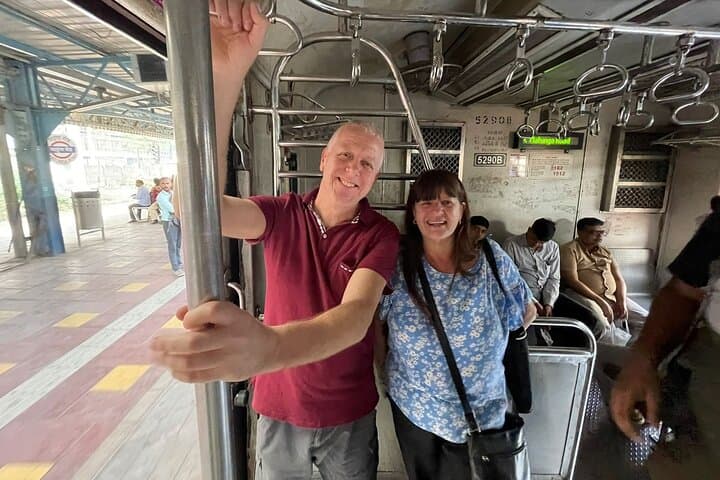
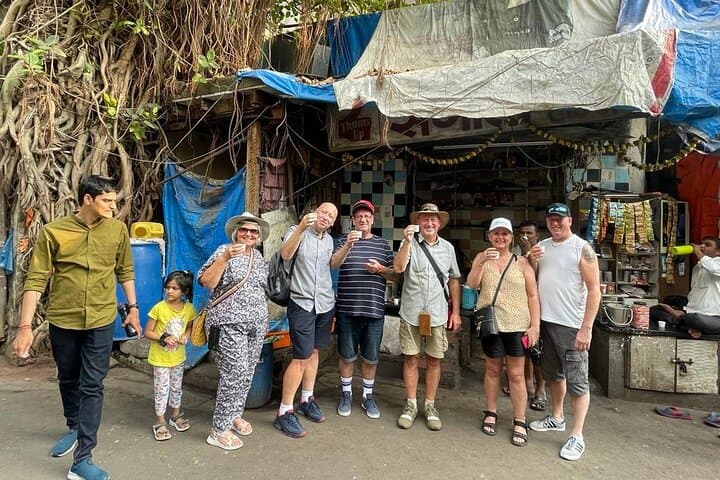
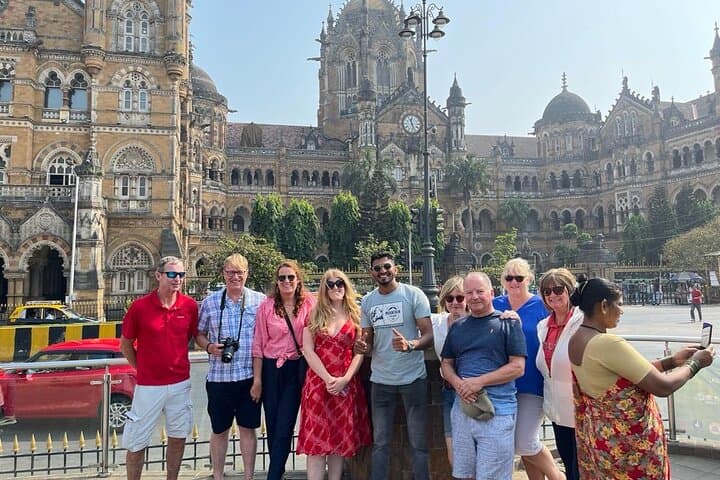
This full‑day tour threads through Mumbai’s landmarks and lived‑in neighborhoods: CSMT’s Gothic façades, the sweep of Marine Drive, the terraced calm of Malabar Hill, then the sudden, kinetic intimacy of a Mumbai local train and a community‑led Dharavi walk. These sites map layers of history: colonial commerce, the growth of rail networks in the 19th century, and the dense informal industries that power modern Mumbai.
Geologically the city sits on Deccan basalt; underfoot the rock holds a flatness that made this natural harbour ideal for trade. Culturally, expect a city forged in contrasts — maritime trade and neighborhood entrepreneurship, temples and colonial forts — narrated by local guides who move easily between dates, dialects and everyday life.
Practical guidance: wear sturdy walking shoes for uneven sidewalks and station platforms; keep valuables secure when aboard crowded local trains; carry a refillable bottle as the day is long. Lunch is flexible — vendors and cafés offer street food and set menus — and the Dharavi segment is an intimate, respectful visit led by residents.
The program balances spectacle with slow observation: short stops at Rajabai Tower and Kamala Nehru Park, a guided look into Dhobi Ghat’s rhythms, and a community‑run Dharavi route that foregrounds enterprise over voyeurism. For travelers who want the city’s pulse rather than a postcard, this itinerary delivers direct, responsible immersion.
easy.
7 hours.
Suitable for people who can handle several hours of walking on city streets and standing on platforms.
Yes; when accompanied by guides it’s safe—follow guidance on where to stand, keep belongings secure, and avoid peak commuter crush hours if you’re uncomfortable.
Photography is allowed but be respectful: ask permission before photographing people, and follow the local guide’s directions in sensitive areas.
No—bottled water and guiding are included; lunch is typically on your own with options provided or recommended by the guide.
Parts of the itinerary (promenade, parks, some stops) are accessible, but local trains and Dharavi routes include uneven surfaces and narrow lanes—notify operator of needs when booking.
Mumbai grew from seven islands into a port city under Portuguese and British influence; CSMT (formerly Victoria Terminus) and the Gateway mark colonial-era trade and rail expansion.
Choose community‑led Dharavi tours that reinvest revenue locally; minimize single‑use plastics and follow guides’ rules to reduce impact.
Young Tours And Travel operates guided outdoor trips and adventures with an emphasis on safety, stewardship, and memorable experiences.
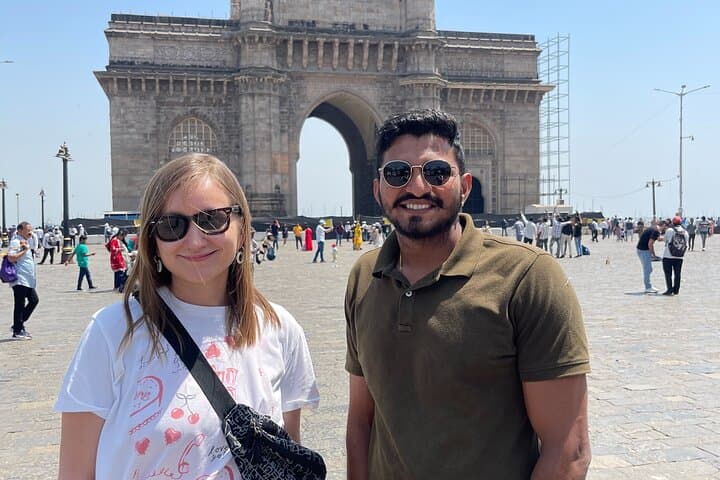
You step out from beneath the colonial arch of the Gateway of India and the sea breathes salt and city together — honking taxis, a hawker calling, the Arabian Sea pushing light across the promenade.
You step out from beneath the colonial arch of the Gateway of India and the sea breathes salt and city together — honking taxis, a hawker calling, the Arabian Sea pushing light across the promenade.
This full‑day tour threads through Mumbai’s landmarks and lived‑in neighborhoods: CSMT’s Gothic façades, the sweep of Marine Drive, the terraced calm of Malabar Hill, then the sudden, kinetic intimacy of a Mumbai local train and a community‑led Dharavi walk. These sites map layers of history: colonial commerce, the growth of rail networks in the 19th century, and the dense informal industries that power modern Mumbai.
Geologically the city sits on Deccan basalt; underfoot the rock holds a flatness that made this natural harbour ideal for trade. Culturally, expect a city forged in contrasts — maritime trade and neighborhood entrepreneurship, temples and colonial forts — narrated by local guides who move easily between dates, dialects and everyday life.
Practical guidance: wear sturdy walking shoes for uneven sidewalks and station platforms; keep valuables secure when aboard crowded local trains; carry a refillable bottle as the day is long. Lunch is flexible — vendors and cafés offer street food and set menus — and the Dharavi segment is an intimate, respectful visit led by residents.
The program balances spectacle with slow observation: short stops at Rajabai Tower and Kamala Nehru Park, a guided look into Dhobi Ghat’s rhythms, and a community‑run Dharavi route that foregrounds enterprise over voyeurism. For travelers who want the city’s pulse rather than a postcard, this itinerary delivers direct, responsible immersion.