THE ADVENTURE COLLECTIVE® · Independent discovery and booking for outdoor travel

A private full-day that pairs Mumbai’s colonial and civic landmarks with a ferry ride to the UNESCO-listed Elephanta Caves. Spend focused time among ancient rock-cut temples, then return for curated city stops along Marine Drive and the Fort district.
A private full-day that pairs Mumbai’s colonial and civic landmarks with a ferry ride to the UNESCO-listed Elephanta Caves. Spend focused time among ancient rock-cut temples, then return for curated city stops along Marine Drive and the Fort district.
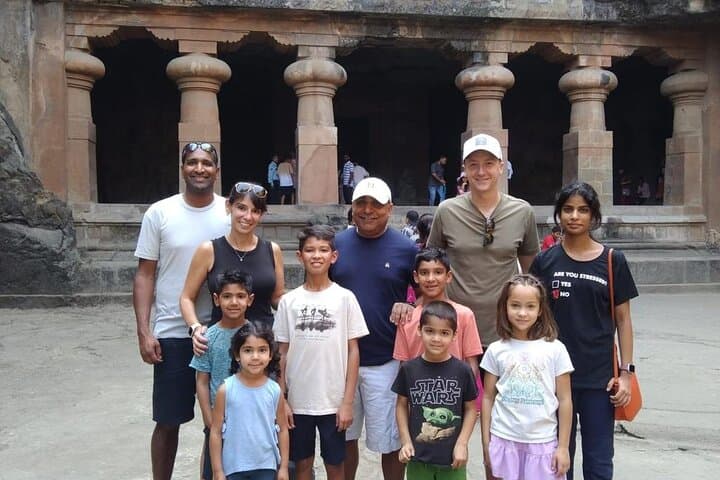
You step out of an air-conditioned car into the salt air at the Gateway of India, the basalt arch watching ferries cut across Mumbai Harbour. The city hums — horns, hawkers, a steady tide of commuters — and then, a short boat ride later, the island wind opens up and the carved mouths of the Elephanta Caves greet you: stone faces that have kept watch for centuries.
Verified experiences and guided adventures in the surrounding area.
Operated by Linda Tours Mumbai · Mumbai, Maharashtra
You step out of an air-conditioned car into the salt air at the Gateway of India, the basalt arch watching ferries cut across Mumbai Harbour. The city hums — horns, hawkers, a steady tide of commuters — and then, a short boat ride later, the island wind opens up and the carved mouths of the Elephanta Caves greet you: stone faces that have kept watch for centuries.
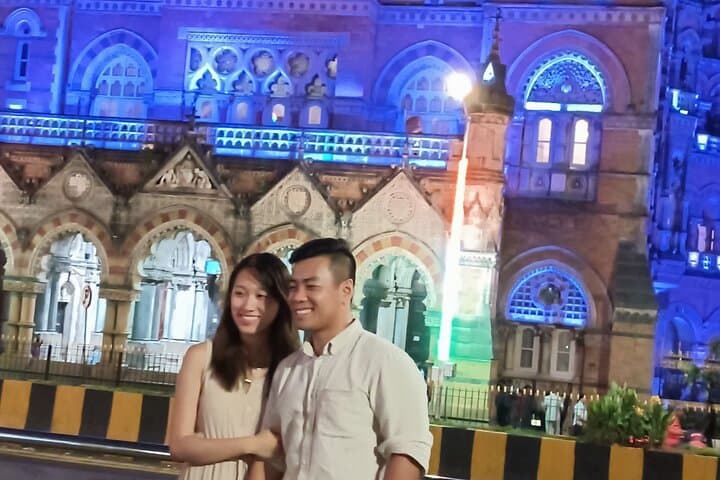
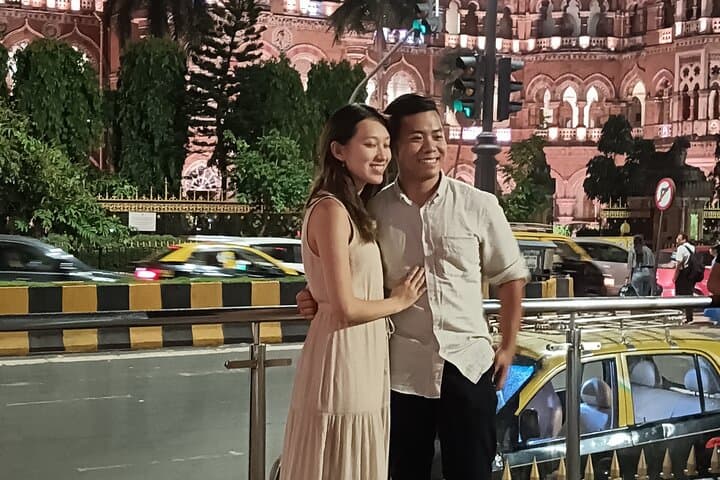
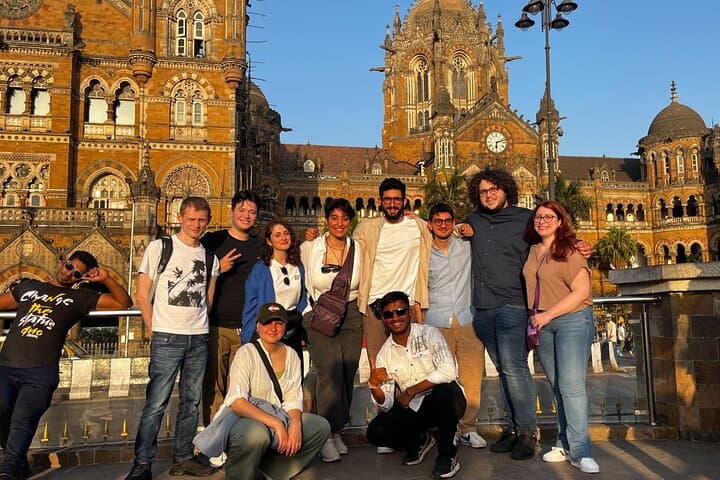
Elephanta (Gharapuri) houses rock-cut temples carved into basalt between the fifth and eighth centuries CE and is a UNESCO World Heritage Site. The main cave’s 6–7 metre Trimurti (three-headed Shiva) is an example of early medieval Shaivite sculpture; the island itself sits on the coastal Konkan basalt that gives Mumbai its dark stone. Back in the city, colonial-era landmarks — the Gateway of India, Rajabai Clock Tower and Chhatrapati Shivaji Maharaj Terminus — narrate Bombay’s British-era growth, while Dhobi Ghat and Mani Bhavan reveal working-class and independence-era layers.
On this private full-day itinerary you alternate between strolls and short drives, with guided time in the caves and curated stops at Marine Drive, Flora Fountain and the Hanging Gardens. Expect stairs and uneven rock inside the caves, sun exposure on the island, and brief security checks at busy monuments.
Practical tips: wear grippy shoes for steps, carry a refillable bottle (bottled water is provided on tours), and plan to be on your feet for several hours. Morning departures avoid high afternoon heat; photographers should limit flash inside the caves to protect the sculptures. This is a day that pairs cultural depth with straightforward logistics — history in hand, sea wind at your back.
moderate.
7–8 hours.
Moderate fitness: able to handle multi-hour walking, stair climbs and short hikes on uneven rock
Private tours typically include the round-trip ferry and island access as part of the itinerary—confirm at booking.
No; the main cave requires climbing and negotiating uneven stone steps, so it’s not ideal for limited mobility.
Bottled water and guide services are usually included, but full meals are generally not—check the tour description or bring snacks.
Morning departures avoid heat and the highest ferry crowds; weekdays will usually be less busy than weekends.
Elephanta’s cavities were carved into coastal basalt between roughly the 5th and 8th centuries and served as an important Shaivite site; Mumbai’s colonial monuments reflect the city’s rapid expansion under British rule.
Visitor pressure and coastal weathering threaten the fragile sculptures—avoid touching carvings, follow marked paths and use designated waste bins.
Linda Tours Mumbai operates guided outdoor trips and adventures with an emphasis on safety, stewardship, and memorable experiences.
You step out of an air-conditioned car into the salt air at the Gateway of India, the basalt arch watching ferries cut across Mumbai Harbour. The city hums — horns, hawkers, a steady tide of commuters — and then, a short boat ride later, the island wind opens up and the carved mouths of the Elephanta Caves greet you: stone faces that have kept watch for centuries.
You step out of an air-conditioned car into the salt air at the Gateway of India, the basalt arch watching ferries cut across Mumbai Harbour. The city hums — horns, hawkers, a steady tide of commuters — and then, a short boat ride later, the island wind opens up and the carved mouths of the Elephanta Caves greet you: stone faces that have kept watch for centuries.
Elephanta (Gharapuri) houses rock-cut temples carved into basalt between the fifth and eighth centuries CE and is a UNESCO World Heritage Site. The main cave’s 6–7 metre Trimurti (three-headed Shiva) is an example of early medieval Shaivite sculpture; the island itself sits on the coastal Konkan basalt that gives Mumbai its dark stone. Back in the city, colonial-era landmarks — the Gateway of India, Rajabai Clock Tower and Chhatrapati Shivaji Maharaj Terminus — narrate Bombay’s British-era growth, while Dhobi Ghat and Mani Bhavan reveal working-class and independence-era layers.
On this private full-day itinerary you alternate between strolls and short drives, with guided time in the caves and curated stops at Marine Drive, Flora Fountain and the Hanging Gardens. Expect stairs and uneven rock inside the caves, sun exposure on the island, and brief security checks at busy monuments.
Practical tips: wear grippy shoes for steps, carry a refillable bottle (bottled water is provided on tours), and plan to be on your feet for several hours. Morning departures avoid high afternoon heat; photographers should limit flash inside the caves to protect the sculptures. This is a day that pairs cultural depth with straightforward logistics — history in hand, sea wind at your back.