THE ADVENTURE COLLECTIVE® · Independent discovery and booking for outdoor travel

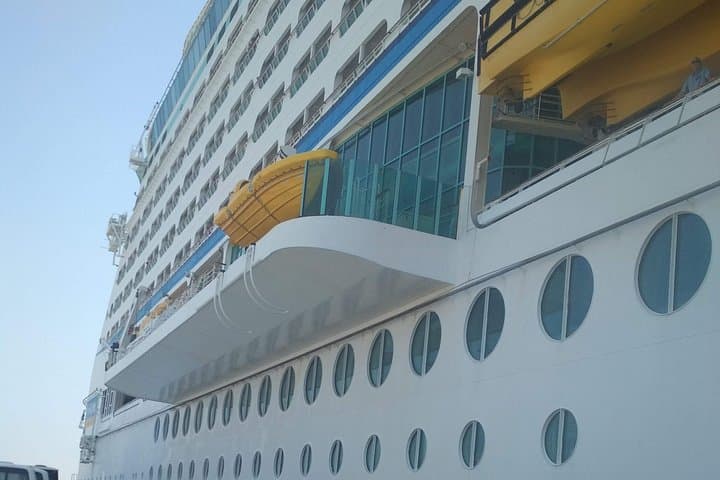
Step off your ship and into Mumbai’s waterfront world—historic stone, busy bazaars and seaside air. This private shore excursion covers the Gateway of India, Colaba streets, and local highlights with practical tips for cruise travelers.
Step off your ship and into Mumbai’s waterfront world—historic stone, busy bazaars and seaside air. This private shore excursion covers the Gateway of India, Colaba streets, and local highlights with practical tips for cruise travelers.
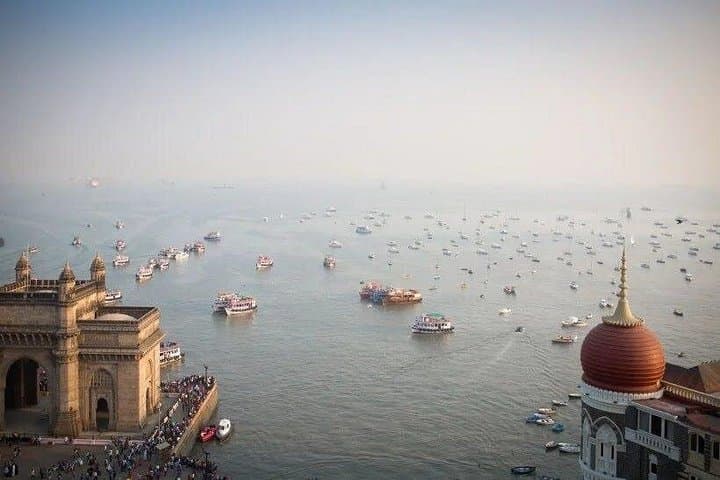
The morning sun slants across the Arabian Sea as the cruise berth empties and the Gateway of India rises from the quay—an arch of stone that marks the edge of colonial Bombay and the first step into a city that pushes forward with relentless energy.
Verified experiences and guided adventures in the surrounding area.
Operated by RAGINI DOSHI · Mumbai, Maharashtra
The morning sun slants across the Arabian Sea as the cruise berth empties and the Gateway of India rises from the quay—an arch of stone that marks the edge of colonial Bombay and the first step into a city that pushes forward with relentless energy.
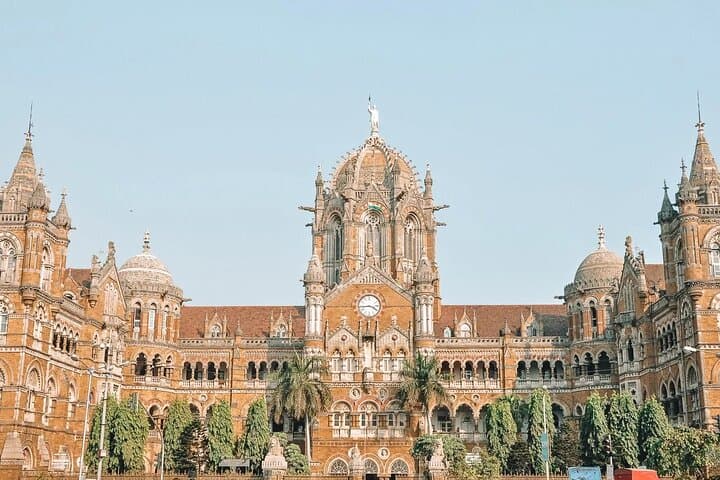
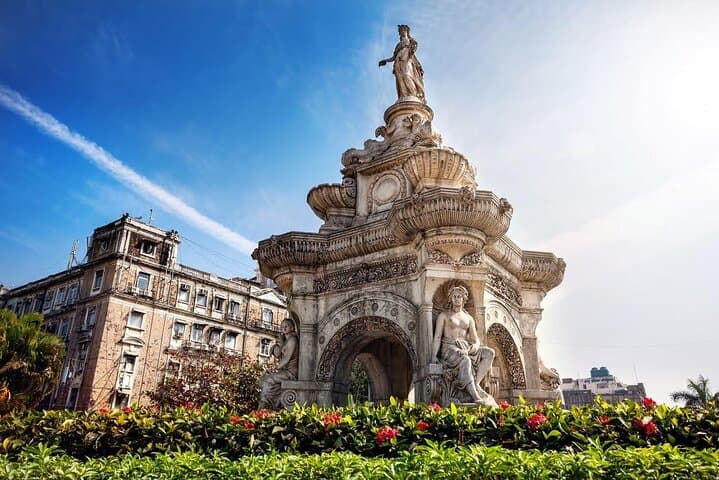
This private shore excursion threads historic Colaba lanes, the ceremonial plaza by the Gateway, and pockets of street life that show why Mumbai grew as a trading port. Built after World War I and completed in 1924, the Gateway heralds imperial arrivals; around it, the city’s layered history—from Portuguese and British occupation to the modern metropolis—shows in colonial facades, basalt street curbs from the Deccan Traps, and bustling markets.
Walks here move at street pace: paved sidewalks, occasional stairways, and crowded bazaars where vendors call out spices, textiles, and local chai. Expect 3–5 km of walking interspersed with short drives; elevation gain is negligible but surfaces can be uneven. Cultural notes: Colaba’s art galleries and the Sassoon Docks’ early-morning fish market offer vivid local color, while nearby Kala Ghoda displays Mumbai’s contemporary arts scene.
Practical guidance: start early to avoid midday heat and cruise schedules, carry a refillable water bottle, and wear sturdy closed-toe shoes for narrow alleys. Keep passport and cruise documents on hand for port reboarding, and plan for cash small notes for market purchases. If visiting during the monsoon, bring a compact rain jacket; summers are hot and humid—shade and frequent fluids are essential.
easy.
6–8 hours.
Suitable for travelers with light to moderate mobility; expect several short walks and standing while exploring markets.
Yes—this private tour is designed for cruise passengers and includes major introductions to central Mumbai with a licensed guide to navigate logistics and cultural context.
Admission policies vary; common public sites like the Gateway and Colaba walks are free, but specific museums or private sites may charge entry—confirm at booking.
Many central waterfront areas and main streets are accessible, but some older streets and docks have uneven paving; notify the operator in advance to confirm specific accessibility arrangements.
Carry Indian rupees for small purchases; tipping is customary for guides and drivers—about 10–15% or a per-person amount is typical depending on service.
The Gateway of India was completed in 1924 to commemorate a royal visit; the surrounding Colaba area grew as a colonial port and trading district that shaped Mumbai’s commercial identity.
Mumbai’s coastline is affected by pollution and coastal development—reduce single-use plastics, respect local fishery operations, and follow guide instructions to limit impact.
RAGINI DOSHI operates guided outdoor trips and adventures with an emphasis on safety, stewardship, and memorable experiences.
The morning sun slants across the Arabian Sea as the cruise berth empties and the Gateway of India rises from the quay—an arch of stone that marks the edge of colonial Bombay and the first step into a city that pushes forward with relentless energy.
The morning sun slants across the Arabian Sea as the cruise berth empties and the Gateway of India rises from the quay—an arch of stone that marks the edge of colonial Bombay and the first step into a city that pushes forward with relentless energy.
This private shore excursion threads historic Colaba lanes, the ceremonial plaza by the Gateway, and pockets of street life that show why Mumbai grew as a trading port. Built after World War I and completed in 1924, the Gateway heralds imperial arrivals; around it, the city’s layered history—from Portuguese and British occupation to the modern metropolis—shows in colonial facades, basalt street curbs from the Deccan Traps, and bustling markets.
Walks here move at street pace: paved sidewalks, occasional stairways, and crowded bazaars where vendors call out spices, textiles, and local chai. Expect 3–5 km of walking interspersed with short drives; elevation gain is negligible but surfaces can be uneven. Cultural notes: Colaba’s art galleries and the Sassoon Docks’ early-morning fish market offer vivid local color, while nearby Kala Ghoda displays Mumbai’s contemporary arts scene.
Practical guidance: start early to avoid midday heat and cruise schedules, carry a refillable water bottle, and wear sturdy closed-toe shoes for narrow alleys. Keep passport and cruise documents on hand for port reboarding, and plan for cash small notes for market purchases. If visiting during the monsoon, bring a compact rain jacket; summers are hot and humid—shade and frequent fluids are essential.