THE ADVENTURE COLLECTIVE® · Independent discovery and booking for outdoor travel

A concise urban pilgrimage through Mumbai's religious crossroads, this walking tour links a prominent sea-side dargah with nearby Hindu temple rituals. Expect short walks, lively vendors, and vivid local rites—ideal for travelers seeking cultural insight without strenuous hiking.
A concise urban pilgrimage through Mumbai's religious crossroads, this walking tour links a prominent sea-side dargah with nearby Hindu temple rituals. Expect short walks, lively vendors, and vivid local rites—ideal for travelers seeking cultural insight without strenuous hiking.
A narrow stone causeway juts into the Arabian Sea and the day's first light throws a low, salt-bright sheen across vendors arranging marigolds and sweets. On this short urban pilgrimage, visitors move between a well-frequented Hindu shrine and the sea-side Haji Ali Dargah, where the tide and the city negotiate access each day.
Verified experiences and guided adventures in the surrounding area.
Operated by kumbhar tourism · Mumbai, Maharashtra
A narrow stone causeway juts into the Arabian Sea and the day's first light throws a low, salt-bright sheen across vendors arranging marigolds and sweets. On this short urban pilgrimage, visitors move between a well-frequented Hindu shrine and the sea-side Haji Ali Dargah, where the tide and the city negotiate access each day.
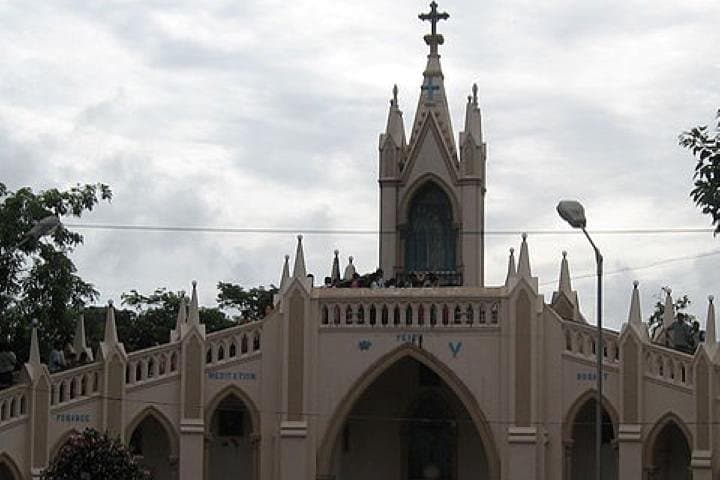
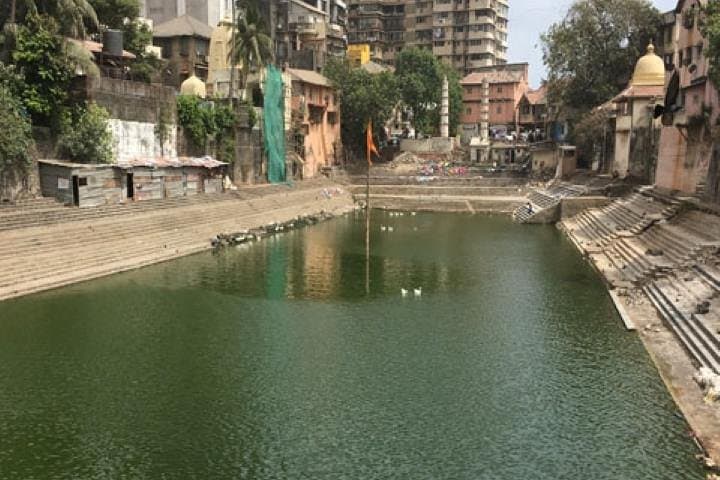
Mumbai's coastline sits on ancient Deccan basalt; the shrine-lined lanes and man-made causeways reflect centuries of trade and religious exchange. The dargah is a focal point for Muslim devotion and attracts worshippers and curious visitors alike; nearby Hindu temples host goddess poojas that draw vibrant flower garlands and ritual offerings. Street vendors, small sweet shops and flower stalls form the cultural fringe — practical markers of how religion and daily life intertwine here.
Expect paved, sometimes uneven surfaces, short walking sections and crowds, particularly on Fridays and festival days. The causeway can be exposed to spray; tides and Mumbai's monsoon reshape timing and comfort. Take modest clothing, a steady pair of shoes, and plan for simple, sensory details: incense smoke, ringing bells, and the sea daring you to pause and watch the water.
This is a compact, accessible experience for anyone comfortable with urban walking and close crowds. Bring water (often provided), keep valuables secure, and allow 30–90 minutes to move deliberately between sites. Respect local customs at places of worship—remove shoes where required and ask before photographing ceremonies. With a practical approach, this short tour opens a concentrated window into Mumbai's layered religious life.
easy.
30–90 minutes.
Suitable for most fitness levels; involves short, mostly flat walks and some standing in crowds
The experience is compact—plan for roughly 30 to 90 minutes depending on crowd size and how long you spend at each site.
Some shrines require modest dress and removal of shoes; there is typically no formal entrance fee, but donations and fees for offerings are common.
Yes—public transport options are available nearby; the causeway and temple areas are walkable from local transit stops but may include crowded sidewalks.
Common inclusions are bottled water, snacks and light breakfast on certain departures; confirm specifics with the operator at booking.
The sites reflect Mumbai's long history as a port city where Hindu, Muslim and trading communities have coexisted and influenced public ritual and architecture.
Crowd management and waste are ongoing challenges; visitors should avoid single-use plastics, dispose of offerings respectfully, and follow local guidance to reduce impact.
kumbhar tourism operates guided outdoor trips and adventures with an emphasis on safety, stewardship, and memorable experiences.
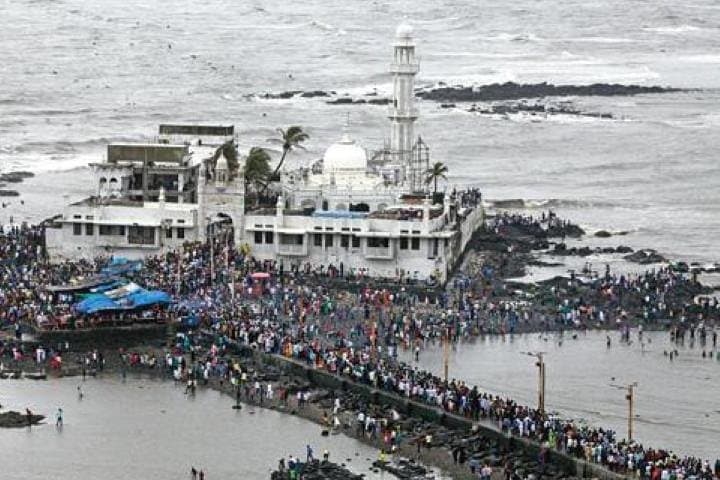
A narrow stone causeway juts into the Arabian Sea and the day's first light throws a low, salt-bright sheen across vendors arranging marigolds and sweets. On this short urban pilgrimage, visitors move between a well-frequented Hindu shrine and the sea-side Haji Ali Dargah, where the tide and the city negotiate access each day.
A narrow stone causeway juts into the Arabian Sea and the day's first light throws a low, salt-bright sheen across vendors arranging marigolds and sweets. On this short urban pilgrimage, visitors move between a well-frequented Hindu shrine and the sea-side Haji Ali Dargah, where the tide and the city negotiate access each day.
Mumbai's coastline sits on ancient Deccan basalt; the shrine-lined lanes and man-made causeways reflect centuries of trade and religious exchange. The dargah is a focal point for Muslim devotion and attracts worshippers and curious visitors alike; nearby Hindu temples host goddess poojas that draw vibrant flower garlands and ritual offerings. Street vendors, small sweet shops and flower stalls form the cultural fringe — practical markers of how religion and daily life intertwine here.
Expect paved, sometimes uneven surfaces, short walking sections and crowds, particularly on Fridays and festival days. The causeway can be exposed to spray; tides and Mumbai's monsoon reshape timing and comfort. Take modest clothing, a steady pair of shoes, and plan for simple, sensory details: incense smoke, ringing bells, and the sea daring you to pause and watch the water.
This is a compact, accessible experience for anyone comfortable with urban walking and close crowds. Bring water (often provided), keep valuables secure, and allow 30–90 minutes to move deliberately between sites. Respect local customs at places of worship—remove shoes where required and ask before photographing ceremonies. With a practical approach, this short tour opens a concentrated window into Mumbai's layered religious life.