THE ADVENTURE COLLECTIVE® · Independent discovery and booking for outdoor travel

Experience Mumbai’s contrasts in a single day: organized chaos at Churchgate, the rhythmic efficiency of the dabbawalas, Dhobi Ghat’s open-air laundries and an immersive walk through Dharavi’s micro-industries. This combo tour layers history, culture and practical logistics for travelers wanting a thorough city primer.
Experience Mumbai’s contrasts in a single day: organized chaos at Churchgate, the rhythmic efficiency of the dabbawalas, Dhobi Ghat’s open-air laundries and an immersive walk through Dharavi’s micro-industries. This combo tour layers history, culture and practical logistics for travelers wanting a thorough city primer.
You step out beneath a hard sun and the city answers in motion: trains groan, traffic hums, and the clack of dabbawalas folding wooden crates into place becomes a kind of urban percussion. The day starts at Churchgate and unspools across Mumbai’s coastal fringe—Gateway of India and the Taj’s sandstone face, then the tiled terraces of Dhobi Ghat where laundry lines ripple like a fabric sea.
Verified experiences and guided adventures in the surrounding area.
Operated by BOMBAY TO MUMBAI TOURS · Mumbai, Maharashtra
You step out beneath a hard sun and the city answers in motion: trains groan, traffic hums, and the clack of dabbawalas folding wooden crates into place becomes a kind of urban percussion. The day starts at Churchgate and unspools across Mumbai’s coastal fringe—Gateway of India and the Taj’s sandstone face, then the tiled terraces of Dhobi Ghat where laundry lines ripple like a fabric sea.
Mumbai’s story is visible in its streets: colonial Gothic at Victoria Terminus, Art Deco along Marine Drive, and the dense improvisation of Dharavi, which grew into a pocket of micro-industry through migration and necessity. Dharavi’s lanes are geological in another sense—layers of human enterprise built atop reclaimed marshland and mangrove margins that once met the Arabian Sea.
The Dabbawalas demonstrate logistics perfected by repetition; their coding system is a lesson in low-tech efficiency. Dhobi Ghat reveals a centuries-old craft of laundry and mending; Dharavi exposes small-scale recycling, pottery and leather work that together form a complex urban economy.
Practical guidance: wear closed-toe shoes and light clothing, carry bottled water and a small bag for purchases. Expect 1–2 hours of walking in tight alleys during the slum visit and be prepared for close encounters with local industry and communities—ask before photographing people. The tour runs 7–8 hours with hotel pickup and drop-off; mornings are cooler and less crowded. Listen to your guide—local knowledge changes what you see into understanding, and respectful curiosity keeps the experience authentic for everyone.
easy.
7–8 hours.
Light fitness—able to walk 1–2 hours on paved and unpaved urban surfaces and stand for guided explanations.
The tour lasts about 7–8 hours and typically includes hotel pickup/drop-off by A/C vehicle, a local guide, bottled water, snacks and local taxes.
Guided visits are generally safe and focused on small industries; choose respected operators who emphasize respectful interaction and community benefit.
Ask permission—your guide can facilitate introductions; avoid photographing people in private spaces without consent.
Yes—physical demands are light, but participants should be comfortable with crowded, narrow alleys and urban noise.
Mumbai grew from seven islands into a port city under British rule; Dharavi later became a dense industrial neighborhood as migrants created micro-enterprises on reclaimed land.
Dharavi hosts extensive informal recycling systems—support tours that highlight circular economy work and minimize disruption to residents.
BOMBAY TO MUMBAI TOURS operates guided outdoor trips and adventures with an emphasis on safety, stewardship, and memorable experiences.
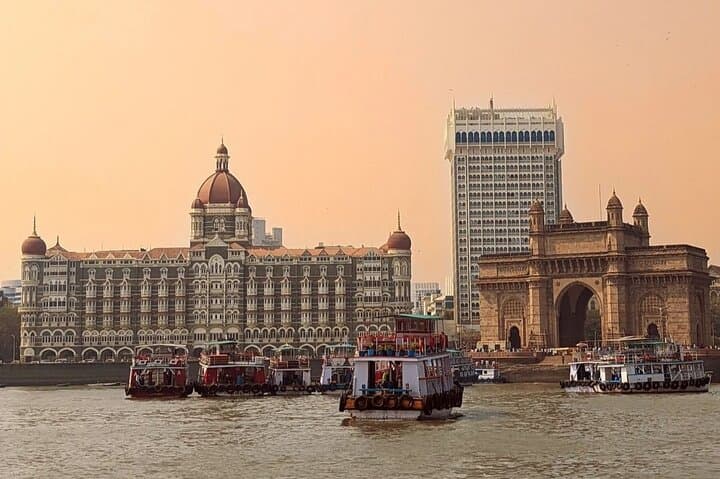
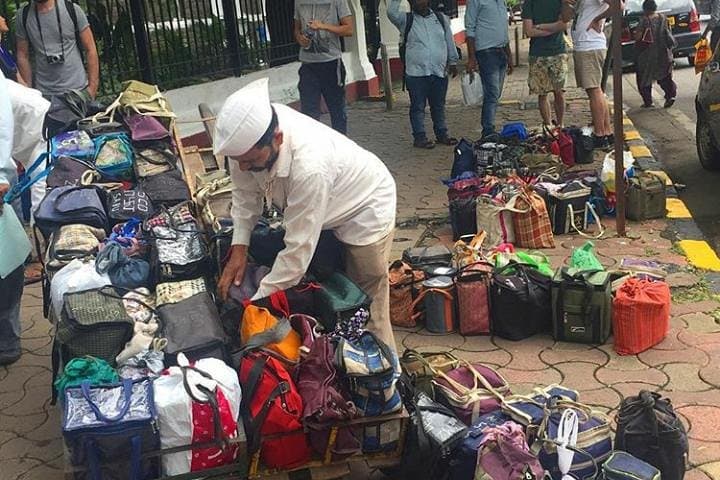
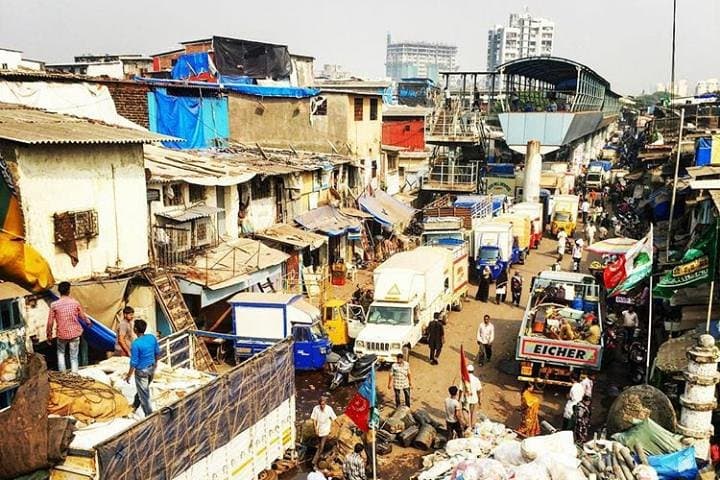
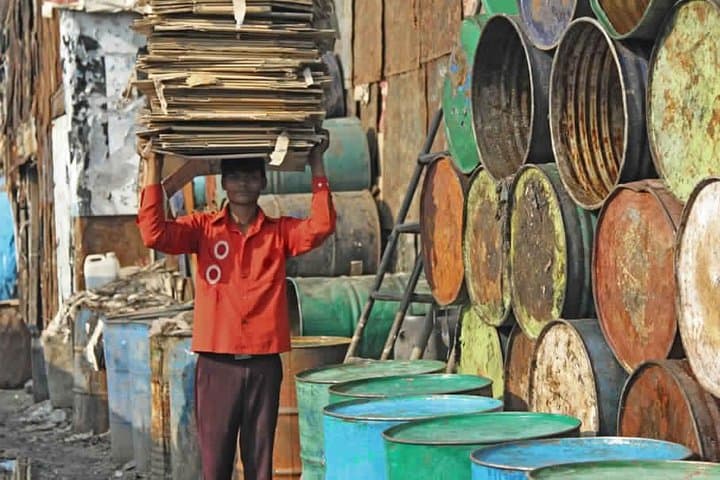
You step out beneath a hard sun and the city answers in motion: trains groan, traffic hums, and the clack of dabbawalas folding wooden crates into place becomes a kind of urban percussion. The day starts at Churchgate and unspools across Mumbai’s coastal fringe—Gateway of India and the Taj’s sandstone face, then the tiled terraces of Dhobi Ghat where laundry lines ripple like a fabric sea.
You step out beneath a hard sun and the city answers in motion: trains groan, traffic hums, and the clack of dabbawalas folding wooden crates into place becomes a kind of urban percussion. The day starts at Churchgate and unspools across Mumbai’s coastal fringe—Gateway of India and the Taj’s sandstone face, then the tiled terraces of Dhobi Ghat where laundry lines ripple like a fabric sea.
Mumbai’s story is visible in its streets: colonial Gothic at Victoria Terminus, Art Deco along Marine Drive, and the dense improvisation of Dharavi, which grew into a pocket of micro-industry through migration and necessity. Dharavi’s lanes are geological in another sense—layers of human enterprise built atop reclaimed marshland and mangrove margins that once met the Arabian Sea.
The Dabbawalas demonstrate logistics perfected by repetition; their coding system is a lesson in low-tech efficiency. Dhobi Ghat reveals a centuries-old craft of laundry and mending; Dharavi exposes small-scale recycling, pottery and leather work that together form a complex urban economy.
Practical guidance: wear closed-toe shoes and light clothing, carry bottled water and a small bag for purchases. Expect 1–2 hours of walking in tight alleys during the slum visit and be prepared for close encounters with local industry and communities—ask before photographing people. The tour runs 7–8 hours with hotel pickup and drop-off; mornings are cooler and less crowded. Listen to your guide—local knowledge changes what you see into understanding, and respectful curiosity keeps the experience authentic for everyone.