THE ADVENTURE COLLECTIVE® · Independent discovery and booking for outdoor travel

Combine a ferry across Mumbai Harbour, a walk into 5th‑century rock‑cut temples on Elephanta Island and a private look at a Bollywood studio. Expect sea air, stair climbs and a mix of archaeology and film‑set energy.
Combine a ferry across Mumbai Harbour, a walk into 5th‑century rock‑cut temples on Elephanta Island and a private look at a Bollywood studio. Expect sea air, stair climbs and a mix of archaeology and film‑set energy.
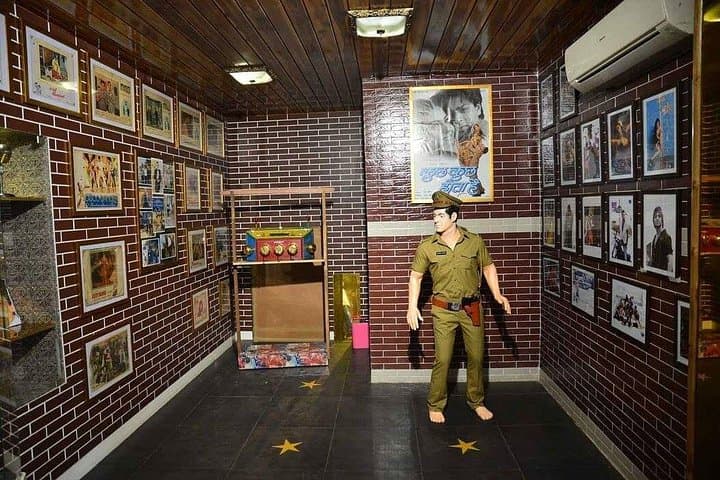
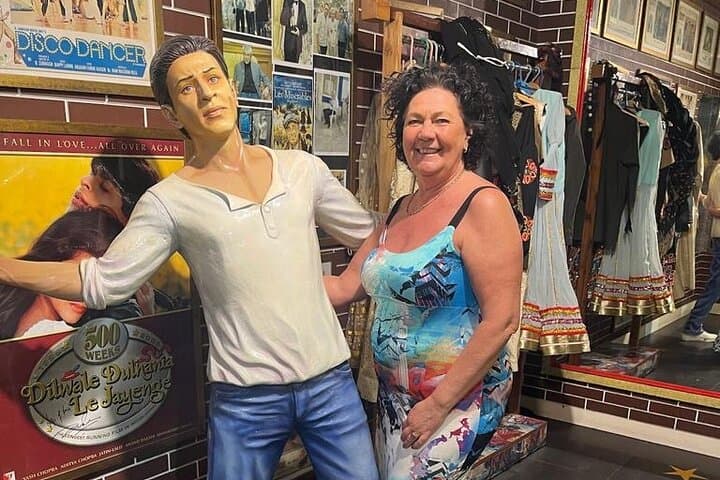
Morning light breaks along the Gateway of India and the harbor opens like a page—boats glinting, the Arabian Sea daring you across to Elephanta. A private tour bundles a scenic ferry crossing, a walk up the island’s stony flank and a behind‑the‑scenes look at a working Bollywood studio, placing city spectacle beside ancient stone.
Verified experiences and guided adventures in the surrounding area.
Operated by Bollywood Entertainment Tours · Mumbai, Maharashtra
Morning light breaks along the Gateway of India and the harbor opens like a page—boats glinting, the Arabian Sea daring you across to Elephanta. A private tour bundles a scenic ferry crossing, a walk up the island’s stony flank and a behind‑the‑scenes look at a working Bollywood studio, placing city spectacle beside ancient stone.
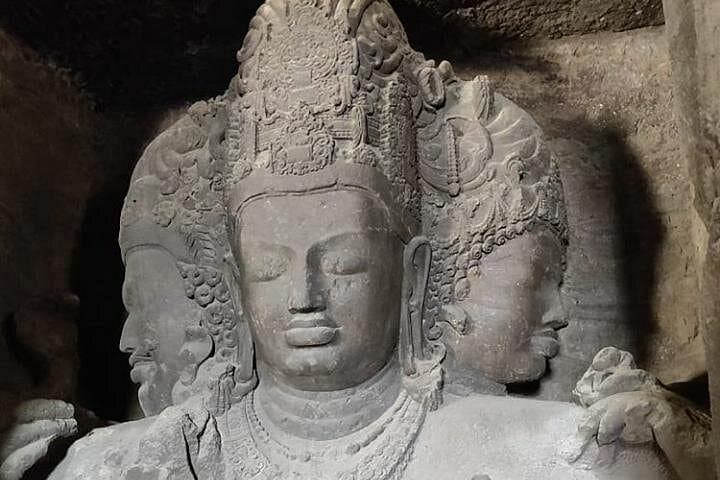
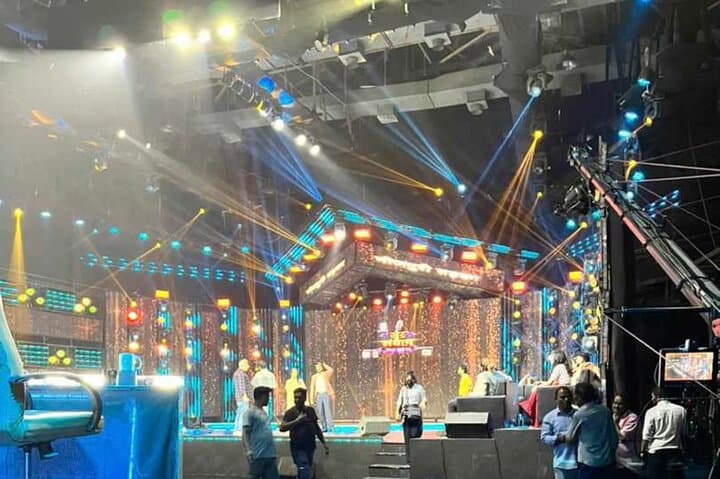
Elephanta’s rock‑cut caves date to around the 5th–8th centuries CE and are carved from basalt of the Deccan Traps; the great three-faced Shiva and relief panels recall a different scale of devotion and craftsmanship. The island’s rise above the tides makes the ascent feel elemental—the sea’s swell below seems to push visitors up toward the pillared halls. Mumbai’s film industry, by contrast, is modern machinery: sound stages, editing suites and choreography rooms where cinema’s visual language is made and remade every day.
Culturally, the day pairs temple archaeology with contemporary popular culture—expect a contrast between quiet carved deities and the energetic swagger of a studio set. Local guides will explain conservation concerns at Elephanta (fragile carvings and visitor impact) and the seasonal rhythms of ferry service.
Practical guidance: plan for 6–7 hours, wear sturdy shoes and bring sun protection and water; the jetty-to-cave walk includes stairs and uneven rock. Ferries are exposed—carry a light rain layer in monsoon season and arrive early to avoid the midday heat and crowds. For studio visits, follow the guide’s instructions, keep cameras allowed areas in mind and allow time for the toy train or the 20–25 minute walk from the jetty to the cave base.
moderate.
6–7 hours.
Suitable for travelers in average fitness; requires climbing stairs and walking on uneven rock surfaces.
The public ferry from the Gateway of India takes about 60–90 minutes round trip, depending on service and sea conditions; some faster private launches reduce crossing time.
Photography is generally allowed at Elephanta outdoors but may be restricted near delicate carvings; studios often restrict filming—follow your guide and any signage.
Yes—most parts are family‑friendly, but the climb to the caves includes several steep steps; consider the toy train or assisted descent for those with mobility issues.
Smart casual is recommended; comfortable shoes for walking and avoiding noisy jewelry or clothing that could disturb filming are good choices.
Elephanta (Gharapuri) bears rock‑cut temples carved into Deccan basalt; its major sculptures represent Shaiva traditions from around the 5th–8th centuries CE.
The caves are sensitive to humidity, salt spray and human contact; visitors are encouraged to avoid touching carvings and to follow site restrictions to reduce wear.
Bollywood Entertainment Tours operates guided outdoor trips and adventures with an emphasis on safety, stewardship, and memorable experiences.
Morning light breaks along the Gateway of India and the harbor opens like a page—boats glinting, the Arabian Sea daring you across to Elephanta. A private tour bundles a scenic ferry crossing, a walk up the island’s stony flank and a behind‑the‑scenes look at a working Bollywood studio, placing city spectacle beside ancient stone.
Morning light breaks along the Gateway of India and the harbor opens like a page—boats glinting, the Arabian Sea daring you across to Elephanta. A private tour bundles a scenic ferry crossing, a walk up the island’s stony flank and a behind‑the‑scenes look at a working Bollywood studio, placing city spectacle beside ancient stone.
Elephanta’s rock‑cut caves date to around the 5th–8th centuries CE and are carved from basalt of the Deccan Traps; the great three-faced Shiva and relief panels recall a different scale of devotion and craftsmanship. The island’s rise above the tides makes the ascent feel elemental—the sea’s swell below seems to push visitors up toward the pillared halls. Mumbai’s film industry, by contrast, is modern machinery: sound stages, editing suites and choreography rooms where cinema’s visual language is made and remade every day.
Culturally, the day pairs temple archaeology with contemporary popular culture—expect a contrast between quiet carved deities and the energetic swagger of a studio set. Local guides will explain conservation concerns at Elephanta (fragile carvings and visitor impact) and the seasonal rhythms of ferry service.
Practical guidance: plan for 6–7 hours, wear sturdy shoes and bring sun protection and water; the jetty-to-cave walk includes stairs and uneven rock. Ferries are exposed—carry a light rain layer in monsoon season and arrive early to avoid the midday heat and crowds. For studio visits, follow the guide’s instructions, keep cameras allowed areas in mind and allow time for the toy train or the 20–25 minute walk from the jetty to the cave base.