THE ADVENTURE COLLECTIVE® · Independent discovery and booking for outdoor travel

A practical full-day tour that pairs Mumbai’s architectural landmarks with a ferry ride to the UNESCO-listed Elephanta Caves. Expect a ~9-hour itinerary combining coastal motion, ancient rock-cut temples, and quick city stops.
A practical full-day tour that pairs Mumbai’s architectural landmarks with a ferry ride to the UNESCO-listed Elephanta Caves. Expect a ~9-hour itinerary combining coastal motion, ancient rock-cut temples, and quick city stops.
You step onto the Gateway of India at first light, salty air pressing against your face as the city hums awake and ferries slice the Arabian Sea. The morning ferry to Elephanta Island pulls you away from Mumbai’s skyline — a jumble of colonial domes and glass towers — toward carved rock that has watched the ocean for a millennium.
Verified experiences and guided adventures in the surrounding area.
Operated by Mumbaiwanderstour · Mumbai, Maharashtra
You step onto the Gateway of India at first light, salty air pressing against your face as the city hums awake and ferries slice the Arabian Sea. The morning ferry to Elephanta Island pulls you away from Mumbai’s skyline — a jumble of colonial domes and glass towers — toward carved rock that has watched the ocean for a millennium.
Elephanta’s caves date to the 5th–7th centuries and sit in basalt formed by ancient Deccan eruptions; the chiselled panels of Shiva and attendants read like a stone grammar of Hindu devotion. Back on the mainland, the tour threads through Victorian Gothic at CSMT, the open rhythm of Byculla’s Dhobi Ghat, and the green terraces of Malabar Hill that frame Marine Drive’s crescent.
Culturally, the day contrasts ritual and urban industry: temples and public laundries operate beside colonial monuments and modern university halls. Guides — often university-educated locals — layer context about British-era construction, Mumbai’s port economy, and the living craft traditions you’ll glimpse.
Practical guidance: expect a roughly nine-hour day with about an hour each way by ferry, two hours exploring the caves, and multiple short stops around South Mumbai. Wear grippy shoes for uneven rock steps and bring sun protection and a refillable bottle; drinking water is provided but refill options are limited on the island. Mobility is moderate—some steep steps at the cave entrance—and security checks are standard at the ferry terminal. Plan for morning departures to avoid afternoon crowds and monsoon swells. Keep small change for vendors and allow extra time for traffic if your pickup includes a hotel transfer. This tour pairs accessible history, coastal motion, and urban snapshots into one practical, sensory day.
moderate.
9 hours.
Moderate fitness: able to walk uphill on uneven steps and stand during sightseeing stops
Ferry crossings from the Gateway of India are typically about 45–60 minutes one way, depending on sea conditions.
This tour itinerary indicates cave admission is included; confirm on booking and carry ID for any ticket checks.
The caves require climbing uneven steps and walking on rock surfaces; travelers with reduced mobility may find access challenging and should check in advance.
Meals are generally not included—expect short stops where you can buy snacks or plan to reserve time for lunch independently.
Elephanta’s rock-cut temples date to the early medieval period and reflect Shaiva traditions; Mumbai’s colonial architecture, like CSMT and the Taj, marks the city’s port-driven growth under British rule.
Elephanta is protected as a UNESCO site; visitors are asked to stick to paths, avoid touching sculptures, and carry out waste to limit erosion and littering.
Mumbaiwanderstour operates guided outdoor trips and adventures with an emphasis on safety, stewardship, and memorable experiences.
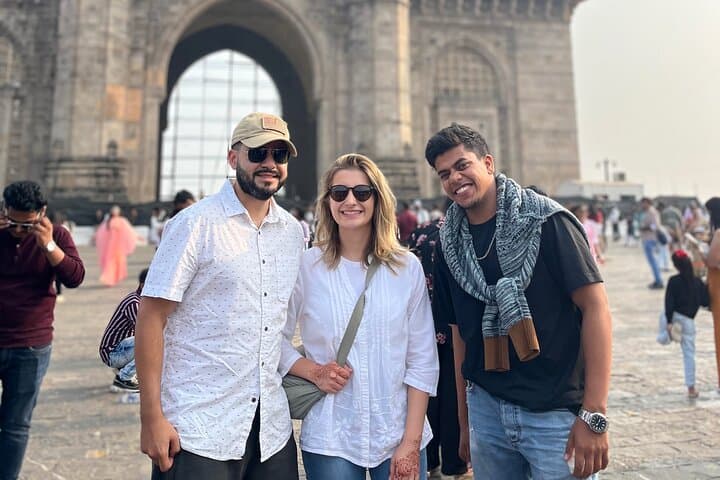
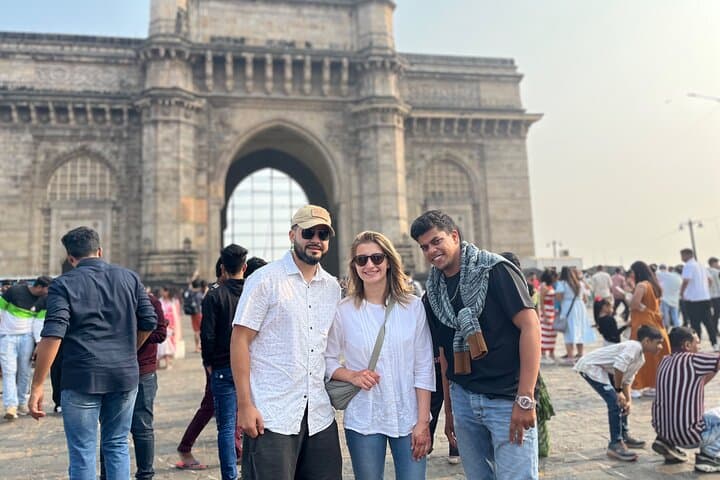
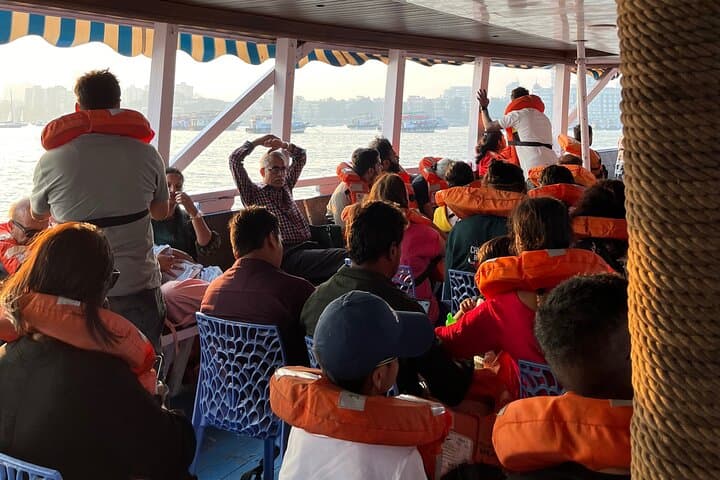

You step onto the Gateway of India at first light, salty air pressing against your face as the city hums awake and ferries slice the Arabian Sea. The morning ferry to Elephanta Island pulls you away from Mumbai’s skyline — a jumble of colonial domes and glass towers — toward carved rock that has watched the ocean for a millennium.
You step onto the Gateway of India at first light, salty air pressing against your face as the city hums awake and ferries slice the Arabian Sea. The morning ferry to Elephanta Island pulls you away from Mumbai’s skyline — a jumble of colonial domes and glass towers — toward carved rock that has watched the ocean for a millennium.
Elephanta’s caves date to the 5th–7th centuries and sit in basalt formed by ancient Deccan eruptions; the chiselled panels of Shiva and attendants read like a stone grammar of Hindu devotion. Back on the mainland, the tour threads through Victorian Gothic at CSMT, the open rhythm of Byculla’s Dhobi Ghat, and the green terraces of Malabar Hill that frame Marine Drive’s crescent.
Culturally, the day contrasts ritual and urban industry: temples and public laundries operate beside colonial monuments and modern university halls. Guides — often university-educated locals — layer context about British-era construction, Mumbai’s port economy, and the living craft traditions you’ll glimpse.
Practical guidance: expect a roughly nine-hour day with about an hour each way by ferry, two hours exploring the caves, and multiple short stops around South Mumbai. Wear grippy shoes for uneven rock steps and bring sun protection and a refillable bottle; drinking water is provided but refill options are limited on the island. Mobility is moderate—some steep steps at the cave entrance—and security checks are standard at the ferry terminal. Plan for morning departures to avoid afternoon crowds and monsoon swells. Keep small change for vendors and allow extra time for traffic if your pickup includes a hotel transfer. This tour pairs accessible history, coastal motion, and urban snapshots into one practical, sensory day.