THE ADVENTURE COLLECTIVE® · Independent discovery and booking for outdoor travel

Experience Mumbai’s famous dabbawalla lunchbox system alongside key South Mumbai sights — Gateway of India, Dhobi Ghat, Mani Bhavan and a local suburban train ride. This half‑day private tour pairs cultural insight with the city’s everyday choreography.
Experience Mumbai’s famous dabbawalla lunchbox system alongside key South Mumbai sights — Gateway of India, Dhobi Ghat, Mani Bhavan and a local suburban train ride. This half‑day private tour pairs cultural insight with the city’s everyday choreography.
The clack of a suburban train, the whistle of a cycle bell and a stack of steel tiffins being handed between palms — this is Mumbai at midmorning. Step off the air‑conditioned car and you are suddenly in the working pulse of the city: bright saris, colonial stone, laundry lines at Dhobi Ghat and the soft hiss of sea breeze along Marine Drive.
Verified experiences and guided adventures in the surrounding area.
Operated by Young Tours And Travel · Mumbai, Maharashtra
The clack of a suburban train, the whistle of a cycle bell and a stack of steel tiffins being handed between palms — this is Mumbai at midmorning. Step off the air‑conditioned car and you are suddenly in the working pulse of the city: bright saris, colonial stone, laundry lines at Dhobi Ghat and the soft hiss of sea breeze along Marine Drive.
The dabbawalla system dates to the late 19th century and runs on simple rules, human logistics and tight timing. On this route you’ll see the Gateway of India’s basalt arch where 20th‑century imperial pageantry met a rising port city, pass by Mani Bhavan where Gandhi planned movements that reshaped modern India, and watch washers at Mahalaxmi’s open‑air laundromat — a living industrial practice more than a century old.
South Mumbai’s geology is primarily basalt decked with reclaimed coastline; the city’s layout compresses colonial boulevards, municipal reservoirs and seaside promenades into a compact walking circuit. You’ll get short train hops on local lines — the trains themselves are part of the story, threading neighborhoods and carrying the pulse of daily life.
Practical guidance: wear comfortable shoes and carry a small daypack; photography is welcome but ask before shooting individuals at work. Expect crowds around major stops and bring a reusable water bottle — bottled water is often provided but reducing plastic helps the shorelines. The tour runs at an easy pace and is ideal for anyone curious about urban systems, social history and the kinetic theatre of Mumbai.
easy.
5 hours.
Suitable for most travelers with basic mobility — involves short walks, stairs at local train stations and brief standing periods
The tour focuses on the dabbawalla system and small tastings of tea or coffee may be provided; full meals are not typically included unless specified by the operator.
Yes — the itinerary includes short suburban train segments to experience the local commute; be prepared for crowds and use caution with luggage.
South Mumbai has many heritage sites with steps and uneven surfaces; accessibility is limited and the tour is not recommended for travelers with significant mobility constraints.
The tour is about 5 hours long and typically includes private pickup and drop‑off in an air‑conditioned vehicle within central Mumbai (confirm exact pickup location when booking).
The dabbawalla network began in the 1890s as a grassroots delivery system; many South Mumbai landmarks date to late 19th and early 20th century colonial development.
Mumbai’s coastline and public spaces face plastic and sewage pressures; tours that minimize single‑use plastics and respect local waste rules help reduce impact.
Young Tours And Travel operates guided outdoor trips and adventures with an emphasis on safety, stewardship, and memorable experiences.
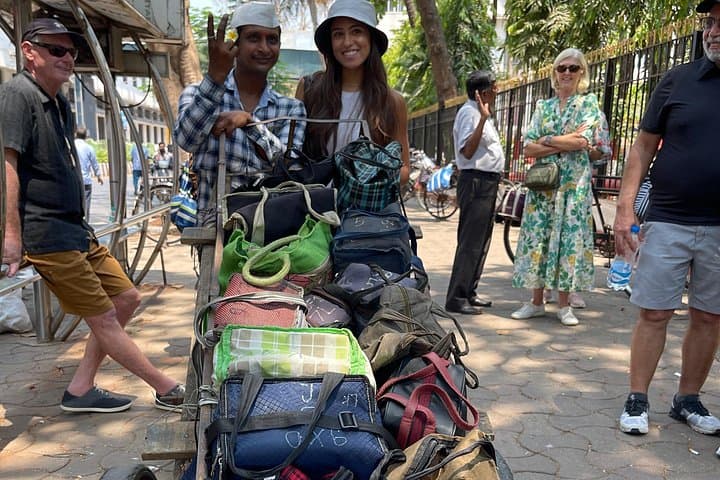
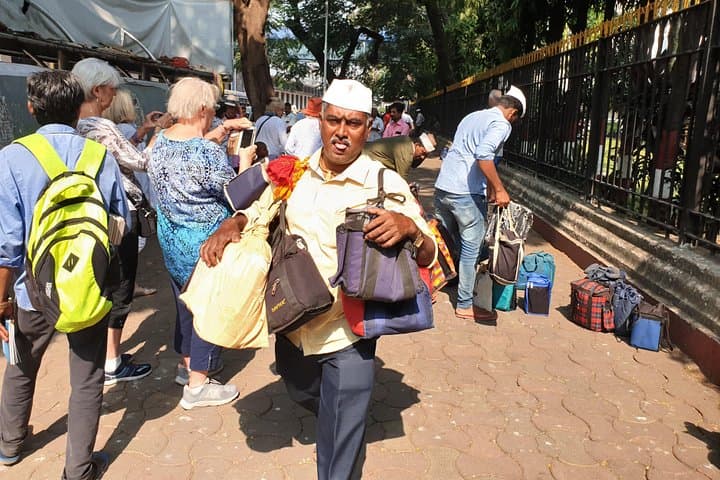
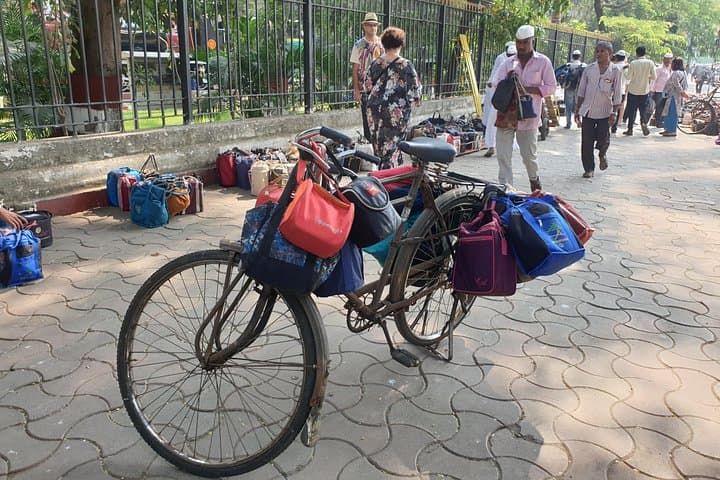
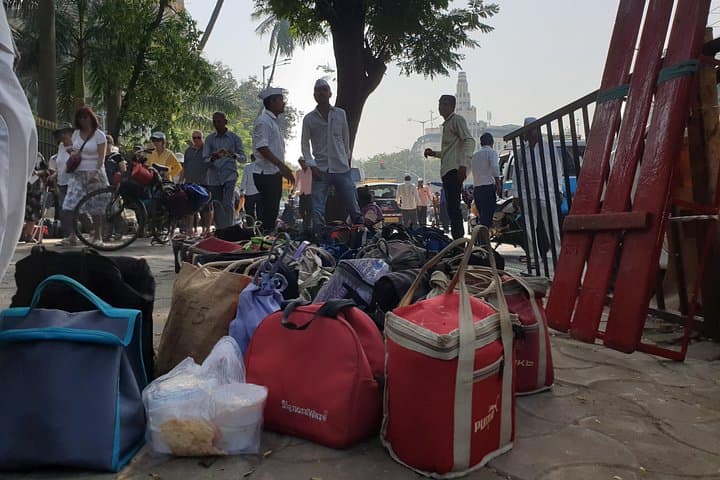
The clack of a suburban train, the whistle of a cycle bell and a stack of steel tiffins being handed between palms — this is Mumbai at midmorning. Step off the air‑conditioned car and you are suddenly in the working pulse of the city: bright saris, colonial stone, laundry lines at Dhobi Ghat and the soft hiss of sea breeze along Marine Drive.
The clack of a suburban train, the whistle of a cycle bell and a stack of steel tiffins being handed between palms — this is Mumbai at midmorning. Step off the air‑conditioned car and you are suddenly in the working pulse of the city: bright saris, colonial stone, laundry lines at Dhobi Ghat and the soft hiss of sea breeze along Marine Drive.
The dabbawalla system dates to the late 19th century and runs on simple rules, human logistics and tight timing. On this route you’ll see the Gateway of India’s basalt arch where 20th‑century imperial pageantry met a rising port city, pass by Mani Bhavan where Gandhi planned movements that reshaped modern India, and watch washers at Mahalaxmi’s open‑air laundromat — a living industrial practice more than a century old.
South Mumbai’s geology is primarily basalt decked with reclaimed coastline; the city’s layout compresses colonial boulevards, municipal reservoirs and seaside promenades into a compact walking circuit. You’ll get short train hops on local lines — the trains themselves are part of the story, threading neighborhoods and carrying the pulse of daily life.
Practical guidance: wear comfortable shoes and carry a small daypack; photography is welcome but ask before shooting individuals at work. Expect crowds around major stops and bring a reusable water bottle — bottled water is often provided but reducing plastic helps the shorelines. The tour runs at an easy pace and is ideal for anyone curious about urban systems, social history and the kinetic theatre of Mumbai.