THE ADVENTURE COLLECTIVE® · Independent discovery and booking for outdoor travel

Walk the Maidans and stands where Mumbai’s cricketing legends honed their skills. This 2–3 hour guided route mixes on-field moments, neighborhood nets, and archival stories to reveal how cricket became the city’s defining pastime.
Walk the Maidans and stands where Mumbai’s cricketing legends honed their skills. This 2–3 hour guided route mixes on-field moments, neighborhood nets, and archival stories to reveal how cricket became the city’s defining pastime.
The tour opens on a sun-warmed stretch of grass where the leather thwacks against canvas and the city hums just beyond the trees. You join a small group beneath the shade of ficus and banyan, the guide pointing out worn pitch marks and the faded names on old plaques as the smell of roadside chai drifts in. The walking rhythm—short bursts of story at landmarks, relaxed pauses at nets—sets the pace.
Verified experiences and guided adventures in the surrounding area.
Operated by No Footprints · Mumbai, Maharashtra
The tour opens on a sun-warmed stretch of grass where the leather thwacks against canvas and the city hums just beyond the trees. You join a small group beneath the shade of ficus and banyan, the guide pointing out worn pitch marks and the faded names on old plaques as the smell of roadside chai drifts in. The walking rhythm—short bursts of story at landmarks, relaxed pauses at nets—sets the pace.
Mumbai’s cricket history stretches from colonial club cricket at the Bombay Gymkhana to the packed modern roar of Wankhede Stadium. The Maidans, flat and expansive, are geological plain reclaimed from marshland, a civic lung where generations have practised shots and hope alike. Cultural threads are plain: community coaching nets, ritualized early-morning matches, and informal selectors watching boys perfect their straight drives.
Expect vivid local color—street vendors selling bhajis, club members tidying bats, youngsters daring you to bowl—and practical insights into how the city breeds talent: nightly nets, club rivalries, and neighborhood tournaments. The guide brings archival photos and anecdotes about legends who trained here, making history immediate.
Practical guidance: the route covers 3–5 km on mostly flat paved paths and grass; wear grippy shoes and carry water. Avoid midday summer heat; monsoon can make fields unusable. Many stops are external viewpoints—entry to some clubs requires permission—so bring ID and polite curiosity. The walk is social and accessible, a compact immersion into Mumbai’s cricketing soul with clear takeaways for players and fans alike.
moderate.
2–3 hours.
Moderate fitness: comfortable walking for several kilometers, able to climb short stairways and stand during explanations.
Expect roughly 3–5 km of mostly flat walking over 2–3 hours with frequent stops for stories and photos.
Children are welcome; younger ones may ride strollers on paved sections but should be kept clear of active nets and roads.
Most stops are external viewpoints and public grounds; entry to private club interiors depends on permissions and may not be included.
The tour often cancels in heavy monsoon conditions since many grounds become unusable—check the cancellation policy and reschedule if possible.
Bombay Gymkhana was a focal point for colonial-era cricket and early Indian internationals; Wankhede was constructed later to host larger crowds and modern fixtures.
Urban greens like the Maidans are under pressure from development and overuse—stay on designated paths, pack out trash, and support community coaching programs that maintain grounds.
No Footprints operates guided outdoor trips and adventures with an emphasis on safety, stewardship, and memorable experiences.
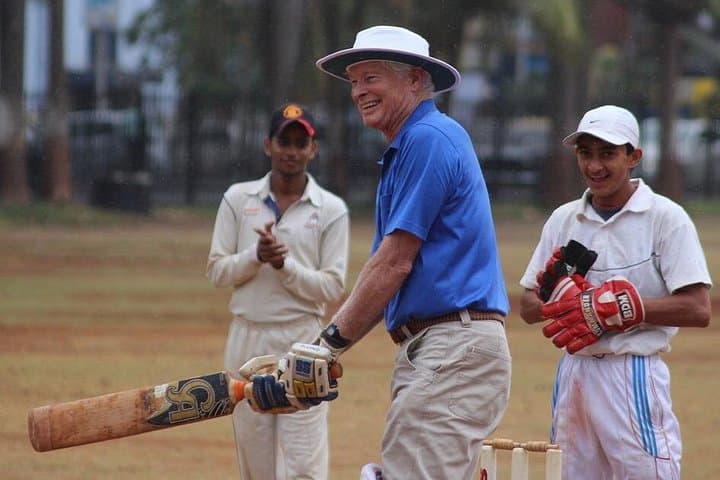
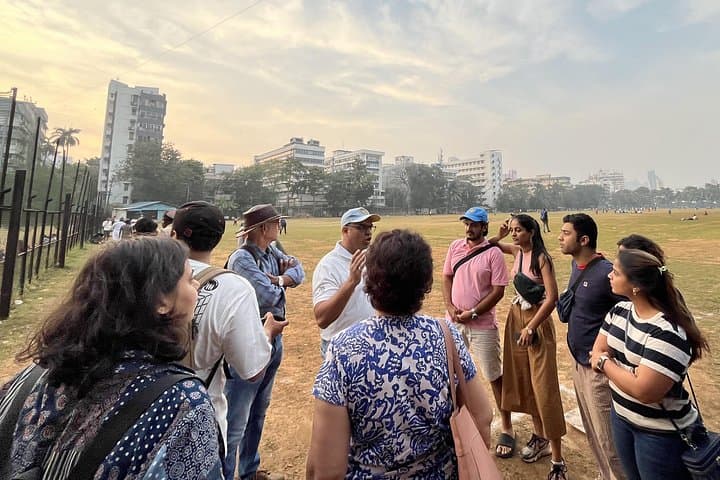
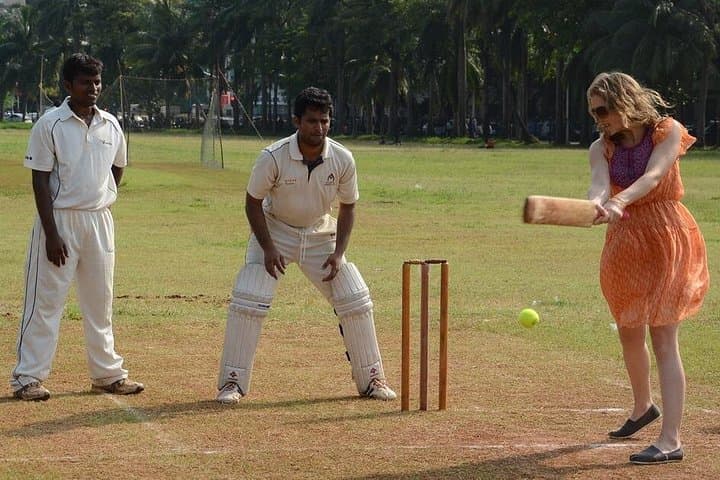
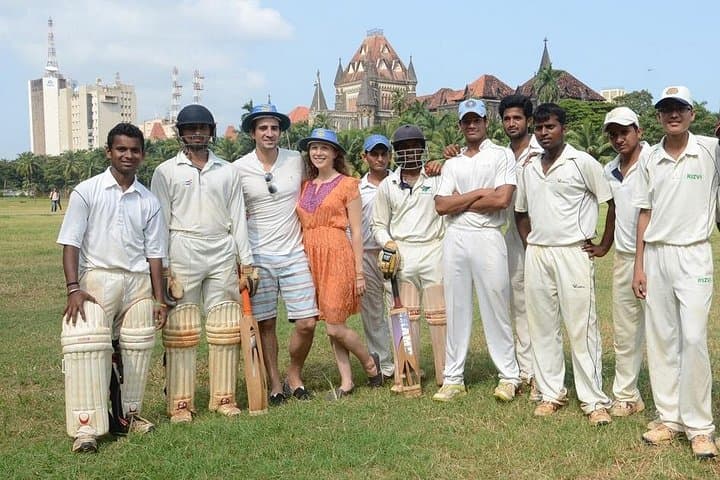
The tour opens on a sun-warmed stretch of grass where the leather thwacks against canvas and the city hums just beyond the trees. You join a small group beneath the shade of ficus and banyan, the guide pointing out worn pitch marks and the faded names on old plaques as the smell of roadside chai drifts in. The walking rhythm—short bursts of story at landmarks, relaxed pauses at nets—sets the pace.
The tour opens on a sun-warmed stretch of grass where the leather thwacks against canvas and the city hums just beyond the trees. You join a small group beneath the shade of ficus and banyan, the guide pointing out worn pitch marks and the faded names on old plaques as the smell of roadside chai drifts in. The walking rhythm—short bursts of story at landmarks, relaxed pauses at nets—sets the pace.
Mumbai’s cricket history stretches from colonial club cricket at the Bombay Gymkhana to the packed modern roar of Wankhede Stadium. The Maidans, flat and expansive, are geological plain reclaimed from marshland, a civic lung where generations have practised shots and hope alike. Cultural threads are plain: community coaching nets, ritualized early-morning matches, and informal selectors watching boys perfect their straight drives.
Expect vivid local color—street vendors selling bhajis, club members tidying bats, youngsters daring you to bowl—and practical insights into how the city breeds talent: nightly nets, club rivalries, and neighborhood tournaments. The guide brings archival photos and anecdotes about legends who trained here, making history immediate.
Practical guidance: the route covers 3–5 km on mostly flat paved paths and grass; wear grippy shoes and carry water. Avoid midday summer heat; monsoon can make fields unusable. Many stops are external viewpoints—entry to some clubs requires permission—so bring ID and polite curiosity. The walk is social and accessible, a compact immersion into Mumbai’s cricketing soul with clear takeaways for players and fans alike.