THE ADVENTURE COLLECTIVE® · Independent discovery and booking for outdoor travel

A single day that pairs South Mumbai’s colonial architecture and busy markets with a short ferry ride to the UNESCO-listed Elephanta Caves. Expect guided history, a moderate climb to rock-cut temples, and practical urban logistics—ideal for first-time visitors who want a full picture of Mumbai in one organized route.
A single day that pairs South Mumbai’s colonial architecture and busy markets with a short ferry ride to the UNESCO-listed Elephanta Caves. Expect guided history, a moderate climb to rock-cut temples, and practical urban logistics—ideal for first-time visitors who want a full picture of Mumbai in one organized route.
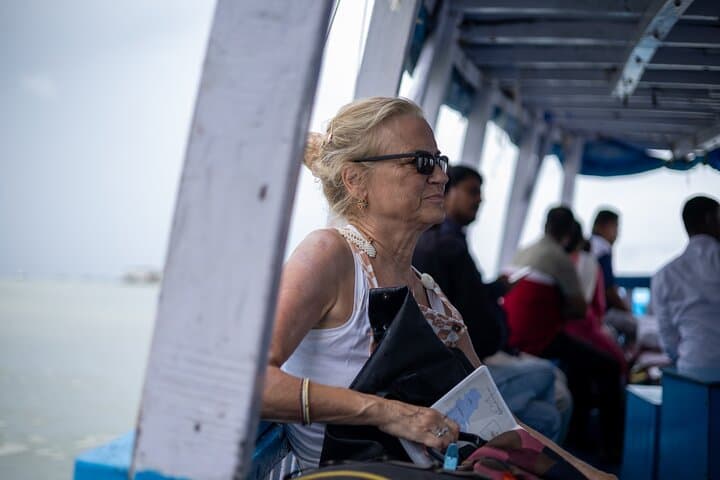
You step out at the Gateway of India as the Arabian Sea pushes a cool spray across the promenade; the city hums behind you while a ferry cuts a white wake toward Elephanta Island. The day unfolds as two linked experiences: South Mumbai’s colonial streets and a short, sea-sliced journey to rock-cut temples hewn from ancient basalt.
Verified experiences and guided adventures in the surrounding area.
Operated by Explore Mumbai Tours · Mumbai, Maharashtra
You step out at the Gateway of India as the Arabian Sea pushes a cool spray across the promenade; the city hums behind you while a ferry cuts a white wake toward Elephanta Island. The day unfolds as two linked experiences: South Mumbai’s colonial streets and a short, sea-sliced journey to rock-cut temples hewn from ancient basalt.
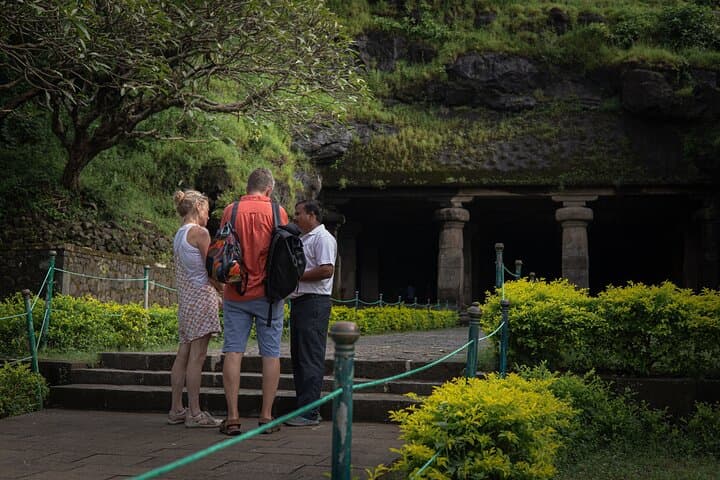
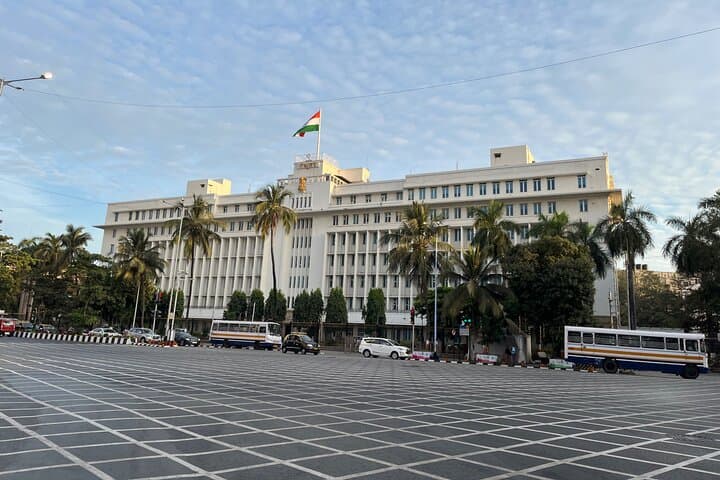
The Elephanta Caves—carved between the 5th and 8th centuries—hold large Shiva reliefs and pillared halls that speak to the island’s religious and maritime role in premodern trade networks. Around the city, Victorian Gothic and Indo-Saracenic facades (CSMT, the Taj Mahal Palace) chart Bombay’s colonial chapter, while markets like Crawford and Colaba Causeway show the city’s perpetual commerce and craft.
Expect a mix of flat promenades, busy bazaars, and a moderate climb on Elephanta—stone steps and uneven paths lead from the landing to the cave complex. Guides typically frame sculpture, geology and the island’s strategic location in concise, contextual narratives.
Practical edge: start early to avoid peak ferry lines and midday heat; bring water and a lightweight rain layer in monsoon season. Comfortable closed-toe shoes improve traction on worn rock steps; carry small change for vendors. The tour generally includes ferry transit, bottled water and a guide, and returns you to the same South Mumbai drop-off point by late afternoon.
This full-day loop is a compact primer on Mumbai’s layered history—urban grit, colonial architecture, living markets and a maritime island shrine—designed for travelers who want depth without long-distance travel logistics.
easy.
8–10 hours.
Suitable for travelers in average fitness; involves several hours of walking and a moderate climb up stone steps to the caves
Yes—this tour includes round-trip ferry transport to Elephanta Island as part of the package.
The path includes a flight of stone steps and uneven surfaces; it’s a moderate climb but manageable for most people who can walk short uphill sections.
The tour description notes admission and a guided visit to Elephanta are included; confirm specifics with the operator before travel for any changes.
The tour is family-friendly and lists infant seats available; however, parents should consider the climb to the caves and ferry boarding logistics for strollers or very young children.
Elephanta Island’s cave temples date from roughly the 5th–8th centuries and reflect Shaiva worship linked to Mumbai’s early maritime trade routes; South Mumbai’s grand colonial buildings grew in the 19th century with British port development.
Elephanta is protected as a UNESCO World Heritage Site; visitors are encouraged to stick to marked paths, avoid touching fragile reliefs and carry out trash to reduce impact.
Explore Mumbai Tours operates guided outdoor trips and adventures with an emphasis on safety, stewardship, and memorable experiences.
You step out at the Gateway of India as the Arabian Sea pushes a cool spray across the promenade; the city hums behind you while a ferry cuts a white wake toward Elephanta Island. The day unfolds as two linked experiences: South Mumbai’s colonial streets and a short, sea-sliced journey to rock-cut temples hewn from ancient basalt.
You step out at the Gateway of India as the Arabian Sea pushes a cool spray across the promenade; the city hums behind you while a ferry cuts a white wake toward Elephanta Island. The day unfolds as two linked experiences: South Mumbai’s colonial streets and a short, sea-sliced journey to rock-cut temples hewn from ancient basalt.
The Elephanta Caves—carved between the 5th and 8th centuries—hold large Shiva reliefs and pillared halls that speak to the island’s religious and maritime role in premodern trade networks. Around the city, Victorian Gothic and Indo-Saracenic facades (CSMT, the Taj Mahal Palace) chart Bombay’s colonial chapter, while markets like Crawford and Colaba Causeway show the city’s perpetual commerce and craft.
Expect a mix of flat promenades, busy bazaars, and a moderate climb on Elephanta—stone steps and uneven paths lead from the landing to the cave complex. Guides typically frame sculpture, geology and the island’s strategic location in concise, contextual narratives.
Practical edge: start early to avoid peak ferry lines and midday heat; bring water and a lightweight rain layer in monsoon season. Comfortable closed-toe shoes improve traction on worn rock steps; carry small change for vendors. The tour generally includes ferry transit, bottled water and a guide, and returns you to the same South Mumbai drop-off point by late afternoon.
This full-day loop is a compact primer on Mumbai’s layered history—urban grit, colonial architecture, living markets and a maritime island shrine—designed for travelers who want depth without long-distance travel logistics.