THE ADVENTURE COLLECTIVE® · Independent discovery and booking for outdoor travel

Follow your nose through Lalbaug’s spice stalls, hunt antiques in Chor Bazaar and rummage for household finds at Null Bazaar. This five-hour walking tour is an immersive introduction to Mumbai’s market culture—where bargaining, aromas, and hidden finds define the day.
Follow your nose through Lalbaug’s spice stalls, hunt antiques in Chor Bazaar and rummage for household finds at Null Bazaar. This five-hour walking tour is an immersive introduction to Mumbai’s market culture—where bargaining, aromas, and hidden finds define the day.
The morning light hits Lalbaug and the scent of roasted cumin threads through the narrow lanes — hawkers call, a vendor rolls fresh masala, and the city pulls you forward with a confident, urgent rhythm.
Verified experiences and guided adventures in the surrounding area.
Operated by Breakaway · Mumbai, Maharashtra
The morning light hits Lalbaug and the scent of roasted cumin threads through the narrow lanes — hawkers call, a vendor rolls fresh masala, and the city pulls you forward with a confident, urgent rhythm.
These bazaar trails cut through Mumbai’s layered history: Victorian warehouses, Parsi storefronts, and industrial-era lanes that shifted into markets as the city grew. Geologically the area sits on Mumbai’s basalt plateau; the streets follow manmade plots rather than natural contours, and the hard rock underfoot helped shape compact, walkable neighborhoods. Culturally, bazaars are social engines—spice merchants in Lalbaug, household goods in Null Bazaar, and Chor Bazaar’s antiques echo Mumbai’s cinematic past with gramophones and film posters.
Expect dense crowds, narrow alleys, and sensory overload: chilies arranged by shade, brassware polished by hand, and vendors who read intent faster than price tags. Bargaining is customary—start low, stay polite, and be prepared to buy if you haggle hard. The tour’s pace lets you sample spices freshly roasted, inspect reclaimed furniture, and hunt for vinyl records or vintage signage.
Practical guidance: wear comfortable, closed shoes for uneven pavements; carry small-denomination cash and a phone with a local SIM for navigation; keep valuables secure and plan restroom stops—many are small and busy. Aim for morning hours to avoid peak heat and the densest crowds.
This is an urban walking adventure that rewards curiosity: read labels, ask about provenance, and let the markets sell you on their stories before you make your purchase.
easy.
5 hours.
Suitable for most fitness levels; requires several hours of walking on uneven urban pavement.
Some main streets and transport are accessible, but many narrow lanes and crowded alleys may be difficult for wheelchairs or strollers—check specific accessibility needs with the operator.
Yes—vendors often allow small tastings of spices and prepared street foods, but carry hand sanitizer and confirm any dietary restrictions with your guide.
Bargaining is customary in most bazaars; begin lower than your target price and negotiate respectfully—the final price often depends on your approach.
Smaller stalls usually accept cash only; carry small bills and use cards only at established shops or restaurants.
Many market streets grew from colonial-era trade routes and warehouses; Chor Bazaar gained fame during the 19th–20th centuries as a hub for reclaimed and secondhand goods.
Markets generate local waste and plastic use; carry a reusable bag and ask vendors to avoid plastic packaging when possible to reduce impact.
Breakaway operates guided outdoor trips and adventures with an emphasis on safety, stewardship, and memorable experiences.
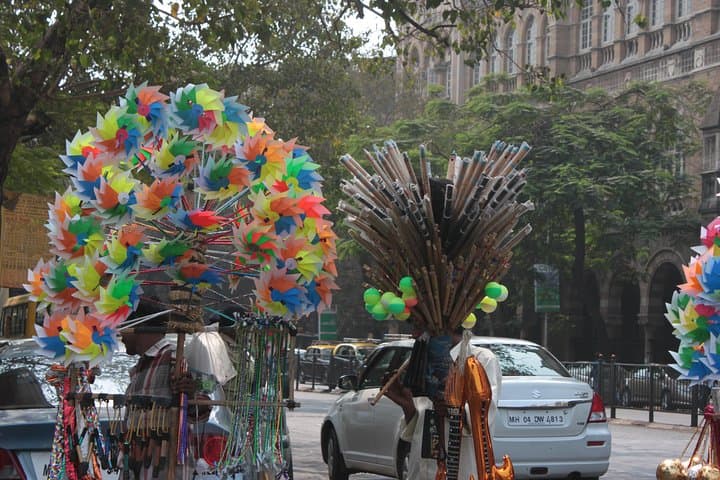
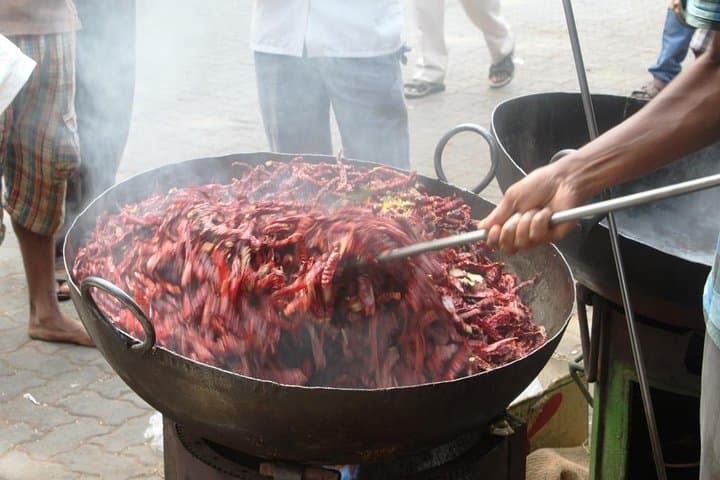
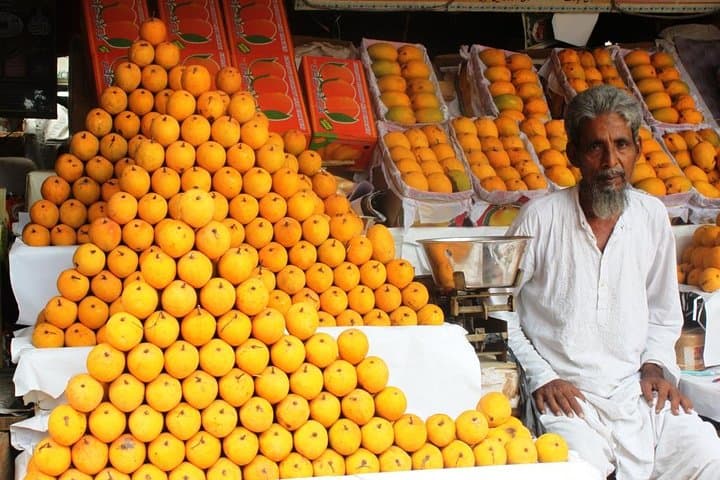
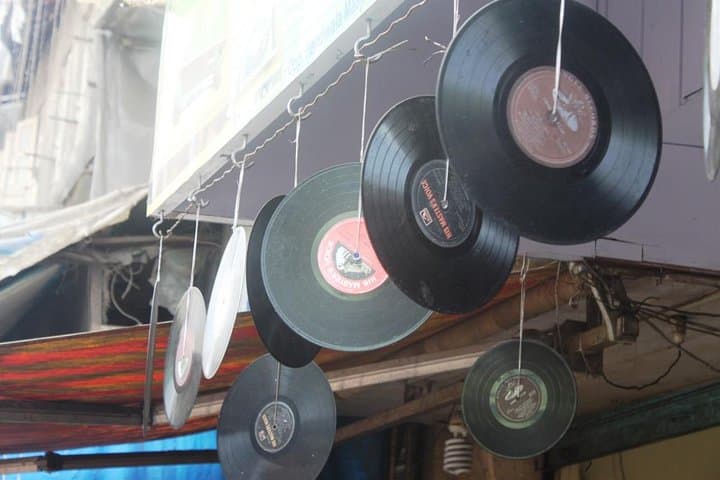
The morning light hits Lalbaug and the scent of roasted cumin threads through the narrow lanes — hawkers call, a vendor rolls fresh masala, and the city pulls you forward with a confident, urgent rhythm.
The morning light hits Lalbaug and the scent of roasted cumin threads through the narrow lanes — hawkers call, a vendor rolls fresh masala, and the city pulls you forward with a confident, urgent rhythm.
These bazaar trails cut through Mumbai’s layered history: Victorian warehouses, Parsi storefronts, and industrial-era lanes that shifted into markets as the city grew. Geologically the area sits on Mumbai’s basalt plateau; the streets follow manmade plots rather than natural contours, and the hard rock underfoot helped shape compact, walkable neighborhoods. Culturally, bazaars are social engines—spice merchants in Lalbaug, household goods in Null Bazaar, and Chor Bazaar’s antiques echo Mumbai’s cinematic past with gramophones and film posters.
Expect dense crowds, narrow alleys, and sensory overload: chilies arranged by shade, brassware polished by hand, and vendors who read intent faster than price tags. Bargaining is customary—start low, stay polite, and be prepared to buy if you haggle hard. The tour’s pace lets you sample spices freshly roasted, inspect reclaimed furniture, and hunt for vinyl records or vintage signage.
Practical guidance: wear comfortable, closed shoes for uneven pavements; carry small-denomination cash and a phone with a local SIM for navigation; keep valuables secure and plan restroom stops—many are small and busy. Aim for morning hours to avoid peak heat and the densest crowds.
This is an urban walking adventure that rewards curiosity: read labels, ask about provenance, and let the markets sell you on their stories before you make your purchase.