THE ADVENTURE COLLECTIVE® · Independent discovery and booking for outdoor travel

Descend into Mulwaree Cave with a national parks guide and explore 200m of ancient limestone decorations. This one‑hour guided tour blends geology, cultural context and practical cave access tips.
Descend into Mulwaree Cave with a national parks guide and explore 200m of ancient limestone decorations. This one‑hour guided tour blends geology, cultural context and practical cave access tips.
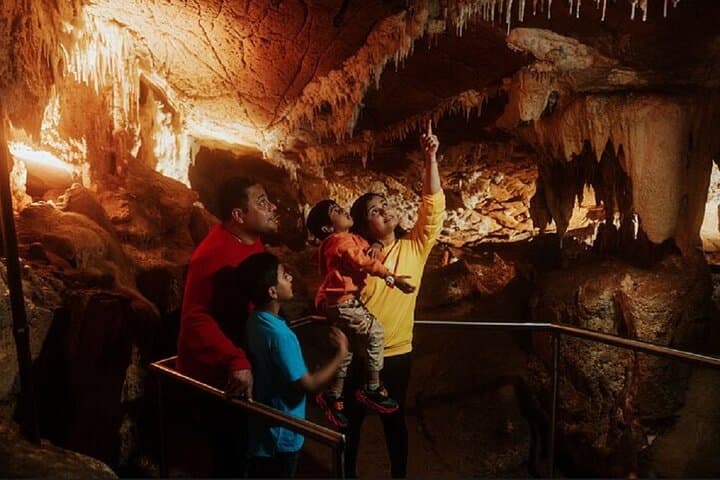
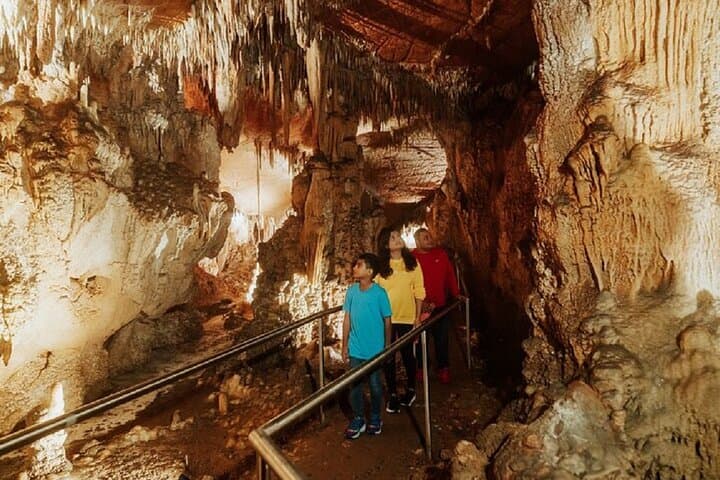
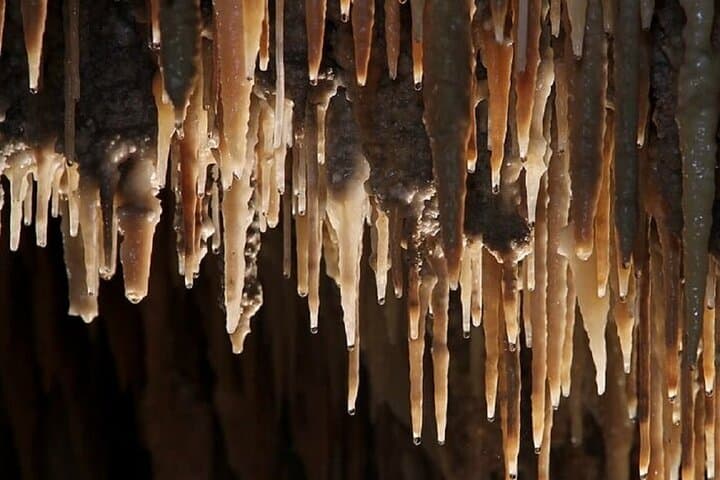
You step off the gravel track into a cool hush: the cave holds a constant 15°C, and the air feels like someone has closed a book on the outside world. A National Parks guide leads the group down a staircut entry where light thins and the first waxy formations catch your torch—stalactites hanging like frozen icicles, colours running in bands along limestone walls.
Verified experiences and guided adventures in the surrounding area.
Operated by NSW National Parks and Wildlife Service · Oberon, New South Wales
You step off the gravel track into a cool hush: the cave holds a constant 15°C, and the air feels like someone has closed a book on the outside world. A National Parks guide leads the group down a staircut entry where light thins and the first waxy formations catch your torch—stalactites hanging like frozen icicles, colours running in bands along limestone walls.
Geology here is the headline: the limestone in Wombeyan Karst Conservation Reserve formed roughly 430 million years ago and continues to be sculpted by dripping water. Mulwaree Cave sits high in the Wollondilly system and is accessed only by guided tour; inside you’ll traverse about 200m and negotiate stairways and fewer than 200 steps. The region’s pastoral history and local Wiradjuri ties are visible in place names and the human use of the landscape, while park signage explains both scientific and cultural contexts.
Practically speaking, allow 15 minutes to walk the moderately steep 500m gravel path from the carpark to the Wattle Hill meeting point. Wear sturdy, grippy footwear—the cave floor can be slippery—and a warm mid-layer for the steady cool. Tours last about an hour and are suitable for most ages, but the entrance ladders and steps mean prams aren’t possible and mobility limitations should be considered. Photography is usually allowed without flash; food is not permitted inside.
If you want a quieter moment after the tour, follow the roadway to a nearby lookout over the Wollondilly River and listen for the hollow croak of frogs and the distant sweep of raptors crossing the ridge.
moderate.
1 hour (tour) + ~15 minutes each way for approach.
Moderate fitness; able to climb stairs and navigate uneven steps and a steep 500m gravel approach.
Yes; children must be accompanied by an adult and be able to manage stairways—prams are not permitted.
No; the tour includes a steep entrance, ladders and nearly 200 steps, so it is not suitable for many mobility aids.
Photography is generally permitted but avoid flash on delicate formations and follow guide instructions.
The gravel path from the carpark to the meeting point is about 500m and takes roughly 10–15 minutes at a steady pace.
The karst system formed over 430 million years; European pastoralists and local Wiradjuri people have long histories tied to the landscape.
Stay on designated paths and don’t touch cave formations—oils from hands halt calcite growth. Park fees and guided access help protect fragile cave features.
NSW National Parks and Wildlife Service operates guided outdoor trips and adventures with an emphasis on safety, stewardship, and memorable experiences.
You step off the gravel track into a cool hush: the cave holds a constant 15°C, and the air feels like someone has closed a book on the outside world. A National Parks guide leads the group down a staircut entry where light thins and the first waxy formations catch your torch—stalactites hanging like frozen icicles, colours running in bands along limestone walls.
You step off the gravel track into a cool hush: the cave holds a constant 15°C, and the air feels like someone has closed a book on the outside world. A National Parks guide leads the group down a staircut entry where light thins and the first waxy formations catch your torch—stalactites hanging like frozen icicles, colours running in bands along limestone walls.
Geology here is the headline: the limestone in Wombeyan Karst Conservation Reserve formed roughly 430 million years ago and continues to be sculpted by dripping water. Mulwaree Cave sits high in the Wollondilly system and is accessed only by guided tour; inside you’ll traverse about 200m and negotiate stairways and fewer than 200 steps. The region’s pastoral history and local Wiradjuri ties are visible in place names and the human use of the landscape, while park signage explains both scientific and cultural contexts.
Practically speaking, allow 15 minutes to walk the moderately steep 500m gravel path from the carpark to the Wattle Hill meeting point. Wear sturdy, grippy footwear—the cave floor can be slippery—and a warm mid-layer for the steady cool. Tours last about an hour and are suitable for most ages, but the entrance ladders and steps mean prams aren’t possible and mobility limitations should be considered. Photography is usually allowed without flash; food is not permitted inside.
If you want a quieter moment after the tour, follow the roadway to a nearby lookout over the Wollondilly River and listen for the hollow croak of frogs and the distant sweep of raptors crossing the ridge.